Blog

Is Spiti Valley Safe for First-Time Travelers?

Is Spiti Valley Safe for First-Time Travelers?

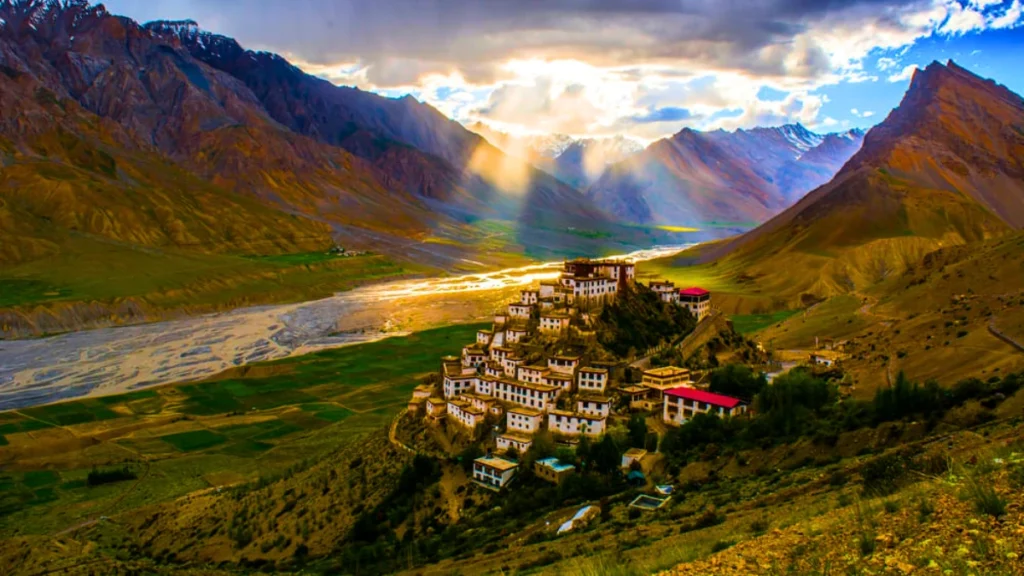
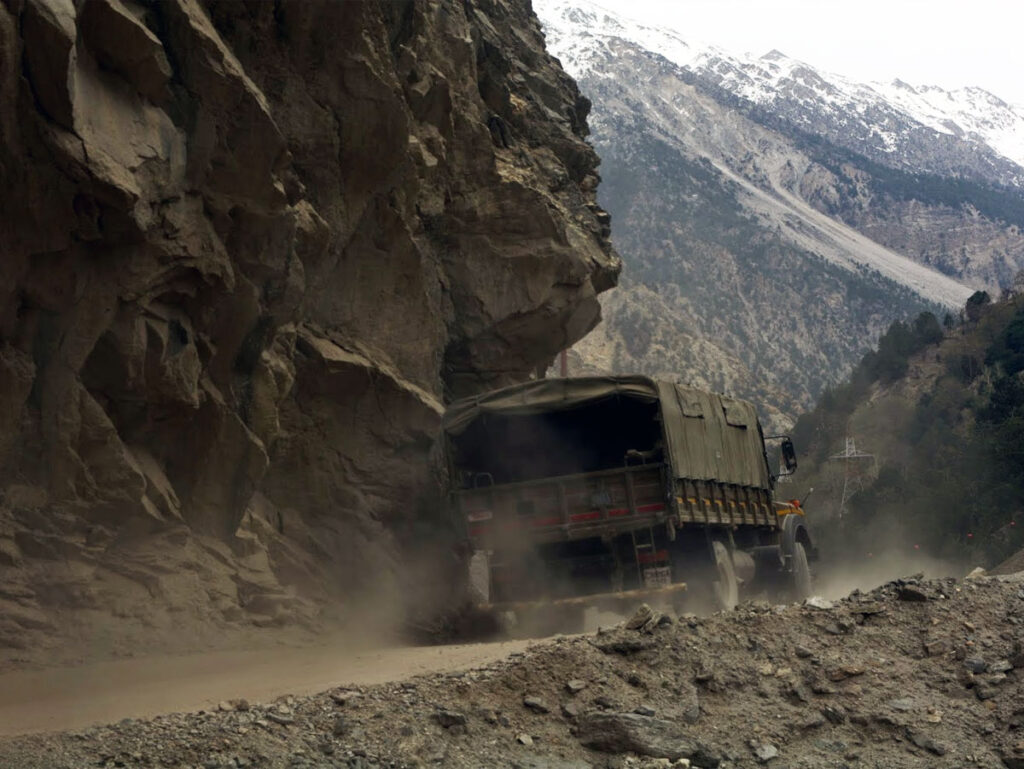
Table of Contents Honest insights from someone who’s been there — no sugar-coating, just real experience. I still remember the moment I first saw Spiti Valley. Standing at Kunzum Pass, surrounded by snow-capped peaks and deep silence, I finally understood why Spiti is called “Little Tibet of India.” But let me be honest — before this trip, I was scared. “What if I get altitude sickness?” “What if the roads are dangerous?” “What if something goes wrong and there’s no help?” If you’re reading this, you’re probably asking the same thing: Is Spiti Valley safe for first-time travelers? Short answer: YES — if you plan it Honest answer: Spiti is safe, but it’s not casual travel. It demands respect, preparation, and the right guidance. This guide is written for first-timers, families, solo travelers, and anyone planning Spiti in 2026. Is Spiti Valley Safe? (The Real Truth) Spiti Valley is one of the safest regions in Himachal Pradesh when it comes to crime and people. Why Spiti Feels Safe: Extremely low crime rate Warm, honest local people Peaceful Buddhist culture No political or social unrest Growing tourism infrastructure I once forgot my camera bag at a monastery — someone literally ran after me to return it. But don’t confuse “safe” with “easy.” Spiti doesn’t hurt you — lack of preparation does.   Altitude Sickness: The Biggest Risk (Don’t Ignore This) This is the #1 reason trips go wrong for first-time travelers. Average altitude: 12,000 – 14,500 ft Common AMS Symptoms: Headache Breathlessness Loss of appetite Dizziness Sleep trouble How to Stay Safe (Tested & Proven): Take the Shimla–Kinnaur route (gradual ascent) Stay a night in Nako / Kalpa before Kaza Drink 4–5 litres of water daily Avoid alcohol for first 2–3 days Carry Diamox (doctor consultation required) REST when your body asks for it Golden rule: If symptoms worsen — descend immediately This is why guided tours with built-in acclimatization are safer for beginners. Spiti Valley Roads: Dangerous or Just Adventurous? Yes, the roads are rough. No, they’re not unsafe if driven by experienced locals. Two Entry Routes: Shimla → Kinnaur → Spiti (Best for First-Timers) Better roads Gradual altitude gain Fewer AMS cases Manali → Kunzum Pass → Spiti Shorter but tougher Sudden altitude jump Risky early/late season Safety Tips That Matter: Hire a local Spiti driver Start journeys early morning Keep buffer days Never rush distances Avoid self-drive if inexperienced Most first-timers face problems only when they self-drive or rush. Medical Facilities in Spiti (Important Reality Check) Spiti is remote — medical support is basic. Primary health centre in Kaza Limited medicines Nearest major hospital: Manali (7–8 hrs away) What You MUST Carry: Personal medicines AMS medication First-aid kit Digestion & cold medicines Sunscreen (SPF 50+) Lip balm Travel insurance covering high altitude is non-negotiable Mobile Network & Internet in Spiti Network Status: BSNL – best coverage Jio – limited in Kaza Airtel/Vodafone – mostly no signal Pro tip: Download offline maps, inform family beforehand, carry power banks. This digital detox is why people fall in love with Solo & Women Travelers: Is Spiti Safe? Yes — one of the safest Himalayan regions. Why Solo Travelers Love Spiti: Respectful locals Strong traveler community Safe homestays Calm villages Extra Tips for Women: Stay in verified homestays/hotels Dress modestly Share daily plans with host Avoid isolated walks at night Many solo women say they felt safer here than in metro cities.   Can Families Visit Spiti Valley Safely? Yes — with proper planning. Kids above 6–7 years Medically fit elders Slow itinerary Shimla route Comfortable stays Experienced drivers Families who rush face issues. Families who go slow — have unforgettable trips.   Best Time to Visit Spiti Valley (Safety Wise) Best Season: May to Oct Roads open Pleasant weather Tourist support available Winter ( Nov–March): Not for First-Timers Roads closed Extreme cold No facilities Winter Spiti is beautiful but unsafe without experience & support.   How to Make Your Spiti Trip 100% Safe  1. Choose a Trusted Local Operator Local knowledge = real safety. Unexplored Himachal offers: Local drivers Proper acclimatization Safe hotels & homestays 24/7 on-ground support 2. Travel Slowly Spiti rewards patience. 3. Pack Smart Layers > fashion Shoes > sneakers Cash > cards 4. Avoid Self-Drive (If First Time) Mountain driving ≠ highway driving. 5. Take Travel Insurance It’s protection, not fear. Common Spiti Myths (Busted) ❌“Only for adventure junkies” ✅Families visit every year ❌“Everyone gets sick” ✅Most don’t — with acclimatization ❌“Food is bad” ✅Momos, thukpa = ✔️ ❌“Very expensive” ✅Budget-friendly homestays available Final Verdict: Should You Go? Go if you: Want raw Himalayan beauty Can handle basic discomfort Respect nature & culture Travel slow Reconsider if you: Have serious medical issues Need luxury everywhere Can’t stay offline From Someone Who’s Been There Spiti doesn’t scare you — it transforms you. Yes, it challenges. Yes, it humbles. But it gives you silence, stars, kindness, and memories that last forever. Is Spiti Valley safe for first-time travelers? 100% YES — with the right Ready to Plan Your First Spiti Trip? Don’t gamble with safety on your first visit. Unexplored Himachal specializes in safe, beginner-friendly Spiti Valley tours. Local drivers Comfortable stays  Slow itineraries Emergency support Website: unexploredhimachal.com Call / WhatsApp: +91 80911 70037 Best Destination Packages Recent Adventure Tour Best Motor Bike Tour

Is Spiti Valley Safe for First-Time Travelers? Read More »

Safe Solo Women Travel in Hills – A Real & Honest Guide

Safe Solo Women Travel in Hills – A Real & Honest Guide

Solo travel is no longer just about ticking destinations off a list. For many women, it’s about freedom, confidence, and finding peace with themselves. And when it comes to the mountains, that feeling becomes even stronger. More and more women today are choosing to travel solo in the hills — Himachal Pradesh, Uttarakhand, Spiti, the North-East — not to prove anything, but simply to breathe, slow down, and reconnect. But almost every woman asks the same question before booking: “Is it actually safe to travel alone in the hills?” The honest answer? Yes — if you travel thoughtfully and stay aware. This guide is written from real travel experiences, local insights, and stories shared by solo women travelers who explored the mountains with and without local support, including journeys planned through Unexplored Himachal. Table of Contents Why the Hills Feel Safer Than Cities Hill towns move at a different pace. Life is slower, people know each other, and strangers are noticed — in a good way. Locals are usually curious, helpful, and respectful, especially towards women travelers. Many solo women say they felt safer in small villages like Tirthan, Jibhi, or Barot than in crowded tourist cities. There’s less chaos, fewer distractions, and a stronger sense of community. That’s also why local travel companies like Unexplored Himachal, who are actually based in the region, make a big difference. They know the people, the roads, and the reality — not just Google maps. Best Hill Places for First-Time Solo Women Travelers If this is your first solo trip, start simple. You don’t need extreme adventures on Day One. Some safe and comfortable choices are: Tirthan Valley & Jibhi – Quiet, green, and very welcoming Barot Valley – Perfect if you love nature and slow mornings McLeodganj & Dharamshala – Cafes, hostels, and many solo travelers Mukteshwar & Almora – Peaceful Uttarakhand hill towns Spiti Valley is safe in terms of people, but it’s physically demanding. If you’re going there solo, it’s better to go with a trusted local operator like Unexplored Himachal, at least the first time. Things That Actually Keep You Safe in the Hills Choose Your Stay Wisely Where you stay matters more than where you go. Family-run homestays are often the safest option. Hosts look out for you, check on you, and genuinely care. Many solo women prefer homestays recommended by Unexplored Himachal because they’re personally verified. Share Your Plans You don’t need to be scared — just smart. Tell someone where you’re going, share your live location, and inform your host if you’re heading out for the day. Dress Comfortably, Like a Local You don’t have to hide yourself, but blending in helps. Simple, comfortable clothes make travel easier and interactions smoother. Avoid Being Out Late Mountains get quiet after sunset. Roads get dark, and transport becomes limited. Try to finish your day’s exploring before night. Trust Your Gut This is important. If a place, person, or situation doesn’t feel right — leave. No explanation needed. Solo travel teaches you to listen to yourself. Transport in the Hills – What Works Best Public transport exists, but it’s not always reliable. Travel during daylight Use local taxis suggested by your stay or travel company Avoid hitchhiking For long routes and rough roads, especially in Spiti or Lahaul, traveling with experienced local drivers from Unexplored Himachal makes the journey much safer and more relaxed. Is Spiti Valley Really Safe for Solo Women? Culturally, yes — Spiti is one of the most respectful and peaceful regions in Himachal. But it’s also: High altitude Weather unpredictable Roads long and empty That’s why many solo women choose small group or guided trips with Unexplored Himachal for Spiti. It removes stress and lets you actually enjoy the place instead of worrying about logistics. Don’t Forget Your Mental Safety Solo travel isn’t about being busy all the time. Rest when you need to. Sit quietly by a river. Talk to locals. Enjoy your own company. The mountains don’t rush you — and neither should you. Final Words Solo women travel in the hills is not risky by default. It becomes safe when you stay aware, respect the place, and choose the right support. You don’t need to be fearless — just prepared. And if you ever feel unsure, having local experts like Unexplored Himachal around can turn uncertainty into confidence. The mountains are not something to fear. They’re something to trust. And yes — you can travel there alone. Best Destination Packages Recent Adventure Tour Best Motor Bike Tour

Safe Solo Women Travel in Hills – A Real & Honest Guide Read More »

Best Offbeat 10 Places in Himachal Pradesh

15 Hidden & Offbeat Places in Himachal Pradesh (2026 Travel Guide)

Himachal Pradesh is much more than Shimla and Manali. Beyond the crowded hill stations lies Unexplored Himachal—quiet valleys, remote villages, ancient monasteries, alpine forests, and landscapes untouched by mass tourism. If you are searching for offbeat places in Himachal Pradesh for 2026, this pillar guide connects you to the best hidden destinations, travel tips, and offbeat Himachal tours curated by locals. Table of Contents 1. Tirthan Valley – Gateway to GHNP A paradise near the Great Himalayan National Park, Tirthan Valley is ideal for nature lovers, trout fishing, forest hikes, and slow travel. Best for: Nature lovers, couples, slow travel Tirthan Valley Tour Package Spiti Valley Tours Offbeat Himachal Tour Packages Snow Leopard Expedition Spiti 2. Jibhi – Beyond the Instagram Crowd Jibhi still hides secret waterfalls, forest trails, and wooden homes—best explored with locals. Tirthan Valley Tour Package Spiti Valley Tours Offbeat Himachal Tour Packages Snow Leopard Expedition Spiti 3. Barot Valley – Underrated & Untouched One of the most underrated valleys in Himachal, Barot offers riverside camping, wildlife spotting, and zero crowds. Tirthan Valley Tour Package Spiti Valley Tours Offbeat Himachal Tour Packages Snow Leopard Expedition Spiti 4. Chitkul – Last Village of India A raw Himalayan experience with wooden homes, snowy peaks, and peaceful vibes. Tirthan Valley Tour Package Spiti Valley Tours Offbeat Himachal Tour Packages Snow Leopard Expedition Spiti 5. Shoja & Jalori Pass Mist-covered forests, hidden meadows, and ancient trails make this region perfect for offbeat explorers. Tirthan Valley Tour Package Spiti Valley Tours Offbeat Himachal Tour Packages Snow Leopard Expedition Spiti 6. Lahaul Valley – Raw Himalayan Beauty Less crowded than Spiti but equally dramatic, Lahaul offers glaciers, monasteries, and untouched villages. Tirthan Valley Tour Package Spiti Valley Tours Offbeat Himachal Tour Packages Snow Leopard Expedition Spiti 7. Pangi Valley – Remote & Wild One of Himachal’s most remote regions—ideal for true adventure seekers. Tirthan Valley Tour Package Spiti Valley Tours Offbeat Himachal Tour Packages Snow Leopard Expedition Spiti 8. Sainj Valley – Hidden Near GHNP A peaceful valley offering authentic village life and eco-tourism experiences. Tirthan Valley Tour Package Spiti Valley Tours Offbeat Himachal Tour Packages Snow Leopard Expedition Spiti 9. Karsog Valley – Culture & Nature Ancient temples, apple orchards, and scenic Himalayan views. Tirthan Valley Tour Package Spiti Valley Tours Offbeat Himachal Tour Packages Snow Leopard Expedition Spiti 10. Janjehli Valley – Meadows & Treks Perfect for meadow walks, treks, and peaceful homestays. Tirthan Valley Tour Package Spiti Valley Tours Offbeat Himachal Tour Packages Snow Leopard Expedition Spiti 11. Kalpa – Off-Season Silence Visit Kalpa at the right time to experience silent mountain mornings. Tirthan Valley Tour Package Spiti Valley Tours Offbeat Himachal Tour Packages Snow Leopard Expedition Spiti 12. Chanshal Valley – Snow & Solitude A high-altitude valley with snowy landscapes and untouched beauty. Tirthan Valley Tour Package Spiti Valley Tours Offbeat Himachal Tour Packages Snow Leopard Expedition Spiti 13. Rangrik & Langza – Spiti Villages Remote villages known for fossil fields, monasteries, and night skies. Tirthan Valley Tour Package Spiti Valley Tours Offbeat Himachal Tour Packages Snow Leopard Expedition Spiti 14. Baralacha La Region Surreal landscapes and raw Himalayan drama. Tirthan Valley Tour Package Spiti Valley Tours Offbeat Himachal Tour Packages Snow Leopard Expedition Spiti 15. Sanjh Valley – Forest Retreat Perfect for nature retreats, forest stays, and digital detox. Tirthan Valley Tour Package Spiti Valley Tours Offbeat Himachal Tour Packages Snow Leopard Expedition Spiti Why Choose Offbeat Places in Himachal Pradesh? Less crowd Authentic village experiences Better connection with nature Ideal for slow & responsible travel Plan Your Offbeat Himachal Tour with Locals Explore hidden places in Himachal with trusted local experts. Call / WhatsApp: +91 80911 70037Website: www.unexploredhimachal.com Best Destination Packages Recent Adventure Tour Best Motor Bike Tour

15 Hidden & Offbeat Places in Himachal Pradesh (2026 Travel Guide) Read More »

Unexplored Village in Himachal Image

Offbeat & Hidden Himachal Tours – Discover the Real Himachal Pradesh

Table of Contents Are you tired of crowded destinations like Shimla and Manali? Do you want to explore the real, untouched beauty of Himachal Pradesh? Welcome to Unexplored Himachal, where we curate offbeat and hidden Himachal tours for travelers who seek peace, adventure, and authentic mountain experiences. Our specially designed tours take you beyond the usual tourist trails—into remote valleys, hidden villages, untouched forests, and lesser-known Himalayan landscapes. Why Choose Offbeat & Hidden Himachal Tours? Offbeat travel in Himachal Pradesh offers: Less crowd, more peace and nature Authentic village life & local culture Stunning landscapes untouched by mass tourism Unique experiences like frozen rivers, remote monasteries & alpine meadows Perfect for nature lovers, photographers, solo travelers & couples At Unexplored Himachal, we believe that travel should be meaningful, slow, and deeply connected with nature. Top Offbeat & Hidden Places in Himachal Pradesh Tirthan Valley – Nature Lover’s Paradise Tirthan Valley is one of Himachal’s most peaceful hidden gems. Located near the Great Himalayan National Park, it is perfect for river-side stays, trout fishing, forest walks, and digital detox trips. Best for: Nature lovers, couples, peaceful holidays Jibhi & Jalori Pass – Fairytale Forest Escape Jibhi is a charming village surrounded by dense pine forests, wooden homes, waterfalls, and scenic trails. Jalori Pass offers panoramic Himalayan views and easy hikes. Best for: Weekend getaways, photographers, honeymooners  Chitkul – Last Village of India Chitkul, located in Kinnaur Valley, is India’s last inhabited village near the Indo-Tibetan border. Experience raw mountain beauty, wooden houses, and the pristine Baspa River. Best for: Offbeat explorers, backpackers Spiti Valley – The Cold Desert Experience Spiti Valley is one of the most dramatic and remote regions of Himachal Pradesh. From ancient monasteries to frozen rivers and Snow Leopard trails, Spiti is a dream for adventure seekers. Best for: Adventure lovers, wildlife enthusiasts, photographers Barot Valley – Hidden Riverside Retreat Barot Valley is a lesser-known destination famous for its riverside stays, forests, and peaceful atmosphere. It is ideal for travelers who want complete silence and nature. Best for: Relaxation, nature stays, anglers Janjehli Valley – Untouched Meadows & Forests Janjehli Valley is still untouched by mass tourism. Rolling meadows, alpine forests, and small villages make it a perfect hidden Himachal destination. Best for: Trekking, offbeat nature tours Lahaul Valley – Raw Himalayan Beauty Lahaul Valley offers rugged landscapes, glacial rivers, and high-altitude villages. It is less crowded than Spiti and ideal for serious explorers. Best for: Adventure travel, road trips Why Book with Unexplored Himachal? At Unexplored Himachal, we specialize in customized offbeat Himachal tour packages. Our tours focus on comfort, safety, and authentic experiences. Local expert team Handpicked stays & homestays Custom itineraries Small groups & private tours 24/7 support during the trip Whether you are planning a couple trip, family holiday, solo adventure, or group tour, we design the perfect itinerary for you. Best Time to Visit Offbeat Himachal March to June: Pleasant weather, blooming valleys July to September: Green landscapes (weather dependent) October to November: Clear views & autumn colors December to March: Snow experiences & winter expeditions Plan Your Offbeat Himachal Tour Today If you want to experience Himachal beyond the usual tourist routes, Unexplored Himachal is your trusted travel partner. Call / WhatsApp: +91 80911 70037 Website: unexploredhimachal.com Contact us today for custom offbeat & hidden Himachal tour packages and discover a side of Himachal that few ever Best Destination Packages Recent Adventure Tour Best Motor Bike Tour

Offbeat & Hidden Himachal Tours – Discover the Real Himachal Pradesh Read More »

Spiti Valley 2

Spiti Valley Tour Packages 2026 – Book Your High- Altitude Adventure with Local Experts

Table of Contents Introduction: Spiti Is India’s Most Demanded Offbeat Destination in 2026 As travellers move away from crowded tourist spots and search for raw, untouched destinations, Spiti Valley has become the No.1 choice for adventure lovers, bikers, couples and nature seekers. Why Travelers Prefer Spiti Valley in 2026 Better Roads & Connectivity   The new BRO developments make Spiti more accessible, especially for beginners. Booming Snow Leopard Tourism   Winter Spiti has become India’s most unique wildlife experience. Digital Detox Destination   Travellers want silence, stars, and nature — and Spiti gives all. Instagram-Worthy Spots Everywhere Langza Buddha, Chicham Bridge, Dhankar Monastery, and Chandratal Lake are now trending locations. Best Spiti Tour Packages for 2026 — Curated by Unexplored Himachal 1. 5N/6D Spiti Highlights Tour (Top Seller)  Key Monastery Hikkim Post Office Langza Buddha Komic Village Chicham Bridge 2. 8N/9D Full Spiti Circuit Tour Shimla → Kaza → Chandratal → Manali circuit Includes Pin Valley + Dhankar Monastery Best mix of sightseeing + adventure 3. Winter Spiti Snow Leopard Expedition Wildlife guided expedition Snow drives Cozy homestay experience Perfect for photographers and wildlife lovers 4. Private / Family / Honeymoon Spiti Package Premium stays Dedicated driver Personalized itinerary Top Places to Visit on a Spiti Tour ⭐ Key Monastery — Spiti’s largest Buddhist training centre ⭐ Hikkim — World’s highest post office ⭐ Komic — Highest motor able village ⭐ Langza — Famous for Buddha statue & fossils ⭐ Pin Valley — Greenest valley in Spiti ⭐ Dhankar — Cliff-top monastery with lake trek  ⭐ Chicham — Asia’s highest bridge ⭐ Chandratal Lake — Most beautiful high-altitude lake Spiti Valley Tour Cost 2026 — How Much Does a Trip Cost? Your Spiti trip cost usually depends on: Season (Summer/Winter) Group/Private Hotel category Route (Shimla or Manali) Vehicle type (Traveller / Scorpio / Thar / Bike) Average Price Range Budget: ₹14,999 – ₹19,999 Standard: ₹22,499 – ₹29,999 Premium: ₹34,999 – ₹49,999 Why Choose Unexplored Himachal for Your Spiti Trip? Locally Operated Himachal-Based Company   Experienced Spiti Drivers   Verified Hotels & Homestays   Customisable Packages   24×7 Trip Assistance  Transparent Pricing (No Middlemen)   What You Get in Our Spiti Tour Packages Transport (Traveller / SUV / Bike) Accommodation Sightseeing Breakfast & dinner Local guide for winter & high-altitude treks Permits Driver night halt & toll charges Travel Tips for First-Time Spiti Visitors Carry warm clothes even in June Keep buffer days (weather changes fast) Stay hydrated to avoid AMS Avoid overexertion the first day Prefer a local guide in winter Always carry cash (limited ATMs) FAQs (High SEO Search Volume Questions) Q1. Is Spiti safe for family trips? Yes, with experienced drivers and proper itinerary planning. Q2. Can beginners travel to Spiti? Absolutely — summer Spiti tours are beginner-friendly. Q3. Which month is best for Spiti? Summer: May–September Winter: December–March for Snow Leopard Expedition Q4. How is the road condition?   Much improved due to BRO work in 2024–25. Planning a Spiti Valley Trip? Book Your Package Now! Unexplored Himachal Travels offers: Budget Spiti Packages Couple/Family Tours Premium & Private Trips Snow Leopard Expeditions Bike & SUV Adventures Get Best Quote Now +91 80911 70037 unexploredhimachal.com Your Spiti adventure is just one message away!!! Best Destination Packages Recent Adventure Tour Best Motor Bike Tour

Spiti Valley Tour Packages 2026 – Book Your High- Altitude Adventure with Local Experts Read More »

Spiti Valley Tour Packages

Spiti Valley Tour Packages

Table of Contents Winter Expeditions • Snow Leopard Tour • Offbeat Villages • Summer Road Trips Explore the Real Spiti with Local Experts from Himachal Why Travel to Spiti with Unexplored Himachal? Spiti isn’t just a destination — it’s an emotion. High-altitude deserts, ancient monasteries, frozen rivers, rare wildlife, and remote Himalayan villages make it one of India’s most breathtaking offbeat regions. Unexplored Himachal is a Himachal-based travel company specialising in Spiti expeditions with: Local Himachali team Expert Himalayan drivers Certified wildlife guides (for Snow Leopard tracking) Handpicked homestays & camps 24×7 support 200+ successful Spiti trips every year Travel safe. Travel local. Travel with people who know the mountains. Our Spiti Valley Tour Packages 1. Spiti Snow Leopard Expedition (10N / 11D) Best Time: Jan–March Route: Shimla – Kinnaur – Kaza – Kibber – Chicham – Kaza – Shimla Duration: 10 Nights/11 Days Number of Travelers: 4 to 8 PAX Highlights: Daily wildlife tracking with expert guides Spotting the rare Snow Leopard Visit Komic, Hikkim, Langza, Chicham Bridge Stay in traditional Himalayan homestays Photograph frozen Spiti landscapes Perfect For: wildlife lovers, photographers, adventure seekers Enquire Now → 2. Winter Spiti Valley Expedition (6N/7D) Best Time: December to March Route: Shimla – Kalpa – Nako – Tabo – Kaza – Key Monastery – Kibber Highlights: Frozen rivers & snow-covered villages Key, Tabo & Dhankar monasteries Highest villages in the world Night sky photography Spiti winter culture experience Enquire Now → 3. Summer Spiti Valley Road Trip (6N/7D) Best Time: June to OctoberRoute Options: Shimla to Spiti (recommended for acclimatization) Manali to Spiti (quick access route) Highlights: Chicham Bridge – highest suspension bridge Pin Valley National Park Kaza, Langza, Komic, Hikkim Mudh Village & Pin Valley Chandratal Lake (optional in season) Enquire Now → 4. Customised Spiti Valley Tour (5–10 Days) For couples, solo travellers, families & bikers.You choose the dates, pace & type of stay — we plan a personalised itinerary. Enquire Now → Top Places to Visit in Spiti Valley Kaza The main town of Spiti, perfect for culture & cafes. Key Monastery Spiti’s most iconic 1000-year-old monastery. Komic Village One of the world’s highest motorable villages. Hikkim Home to the world’s highest post office. Langza Known for Buddha statue & fossil hunting. Chicham Bridge Asia’s highest suspension bridge. Tabo Monastery 1,000-year-old monastery known as “Ajanta of the Himalayas”. Dhankar Monastery & Lake Stunning clifftop monastery + short trek to the lake. Pin Valley & Mudh Village Green valley, river views, home to snow leopards & ibex. Chandratal Lake (seasonal) Moon Lake with crystal-clear waters. Best Time to Visit Spiti Valley Summer (May–October): Pleasant weather, open roads, perfect for sightseeing. Winter (Dec–March): For hardcore travellers — snow landscapes, frozen rivers, Snow Leopard sightings. How to Reach Spiti Valley From Shimla: Best for acclimatization, smooth gradual ascent. From Manali: Faster but needs high-altitude experience. Both routes covered by our experienced local drivers. Where You Will Stay We provide only handpicked, safe and clean stays: Homestays with local families Boutique hotels Riverside camps (seasonal) Premium hostels (on request) Safe, comfortable, and authentic. Why Choose Us Local Himachali experts (we are based in Himachal) Skilled drivers for high-altitude terrain 24×7 support throughout the trip High customer satisfaction Customisable packages for all budgets Traveller Reviews Meetu Mahant Our Spiti Valley trip was one of the most breathtaking experiences we’ve ever had! From the rugged mountain passes to the serene monasteries and star-filled skies, every day in Spiti felt like magic. We booked our Spiti Valley tour package through Unexplored Himachal, and everything was perfectly organized — from comfortable stays to safe transportation on those winding mountain roads. The itinerary covered all the must-visit places like Kaza, Key Monastery, Kibber, Hikkim (the world’s highest post office), Langza, and Chandratal Lake. Special thanks to Monika Ma’am for her incredible guidance and support throughout the journey. She made sure every traveler felt at home and handled everything with so much care and professionalism. Her knowledge of local culture and hidden gems added a truly personal touch to our Spiti Valley adventure. If you’re planning a Spiti Valley trip or looking for a trusted Himachal travel company, I highly recommend Unexplored Himachal. Whether you’re into photography, adventure, or just want to escape into nature, this is the perfect travel experience for you. Best Destination Packages Recent Adventure Tour Best Motor Bike Tour

Spiti Valley Tour Packages Read More »

Tirthan Valley offbeat place in Himachal Pradesh

Why Visit Tirthan Valley in Himachal Pradesh — The Hidden Heaven of the Himalayas

Table of Contents If you’ve been dreaming of a peaceful mountain escape away from the chaos of crowded hill stations, Tirthan Valley in Himachal Pradesh is your perfect destination. Hidden in the lap of the Great Himalayan National Park (GHNP), this offbeat paradise offers untouched natural beauty, adventure, local culture, and serenity that feels straight out of a dream. Known as one of the most unexplored valleys of Himachal, Tirthan is where you can truly disconnect from city life and reconnect with nature. 1. Untouched Natural Beauty & Peaceful Ambiance Unlike Manali or Shimla, Tirthan Valley remains raw and uncommercialized. The emerald-green Tirthan River flows gently through dense pine forests, apple orchards, and quaint Himachali villages. You can sit beside the river, listen to the soothing sound of flowing water, and let nature heal your mind and soul. Every corner of the valley offers postcard-perfect views — making it a paradise for nature lovers and photographers alike. 2. Gateway to the Great Himalayan National Park (GHNP) A UNESCO World Heritage Site, the Great Himalayan National Park is one of the biggest attractions of Tirthan Valley. Home to over 375 species of fauna and 800+ plant species, GHNP is ideal for trekking, nature walks, and wildlife photography.You might even spot rare species like the Himalayan blue sheep, snow leopard, and colorful pheasants. Trekking trails such as Rolla, Shilt Hut, and Rakhundi Top take you deep into the heart of the wilderness. 3. Adventure & Outdoor Activities for Every Traveler Tirthan Valley is not just about peace — it’s a playground for adventure seekers too! From trout fishing in the Tirthan River to river crossing, camping, and trekking, there’s something for everyone. Some of the best adventures you can try include: Trek to Serolsar Lake via Jalori Pass Riverside camping under starry skies Trout fishing (with permits) Visit Chehni Kothi, a 1500-year-old Himalayan tower Drive to Jalori Pass for breathtaking 360° mountain views 4. Cozy Homestays & Authentic Himachali Hospitality Tirthan Valley is famous for its eco-friendly homestays that offer more than just a place to stay — they offer an experience.Stay with local Himachali families, enjoy freshly cooked traditional meals, and learn about the valley’s culture and folklore. The warmth and hospitality of locals make your stay truly memorable. At Unexplored Himachal, we curate stays that reflect the true essence of the valley — peaceful, scenic, and homely. 5. A Photographer’s & Digital Detox Paradise If you love photography, Tirthan Valley will steal your heart. The misty mornings, snow-capped peaks, wooden houses, and blooming orchards offer countless photo opportunities.It’s also the perfect destination to unplug from screens, breathe fresh air, and rediscover yourself amidst the calm of the mountains. 6. Easy to Reach Yet Blissfully Untouched Tirthan Valley is around 500 km from Delhi, 90 km from Kullu, and 50 km from Aut Tunnel on the Manali Highway. The drive takes you through winding mountain roads, pine forests, and scenic riverside stretches — a treat for road trip lovers. Once you arrive, the peaceful silence and natural charm will make you forget city life instantly. Best Time to Visit Tirthan Valley Summer (March to June): Perfect for trekking, camping, and sightseeing. Autumn (September to November): Ideal weather, lush greenery, and clear skies. Winter (December to February): Experience snow in higher altitudes and cozy winter vibes. Why Choose Unexplored Himachal for Your Tirthan Valley Trip At Unexplored Himachal, we believe travel is about experiences, not just destinations. Our local experts curate customized itineraries to help you explore Tirthan Valley like a true traveler — not a tourist. Personalized itineraries Local guides & authentic experiences Offbeat stays & adventure activities Hassle-free transport & trip planning Plan your Tirthan Valley trip today with Unexplored Himachal and discover the offbeat side of Himachal Pradesh that few have experienced. FAQ’s 1. Where is Tirthan Valley located? Tirthan Valley is located in the Kullu district of Himachal Pradesh, near the Great Himalayan National Park. It’s about 90 km from Manali and 500 km from Delhi. 2. What is Tirthan Valley famous for? Tirthan Valley is known for its untouched natural beauty, crystal-clear Tirthan River, trout fishing, scenic treks, and peaceful environment away from the tourist crowds. 3. What is the best time to visit Tirthan Valley? The best time to visit Tirthan Valley is from March to June and September to November, when the weather is pleasant and ideal for outdoor activities. 4. How can I reach Tirthan Valley? You can reach Tirthan Valley by road from Delhi or Chandigarh. The nearest railway station is Joginder Nagar, and the nearest airport is Bhuntar (Kullu), about 50 km away. 5. What are the top things to do in Tirthan Valley? Popular activities include trekking in the Great Himalayan National Park, trout fishing, camping by the river, visiting waterfalls, and exploring nearby villages. 6. Is Tirthan Valley suitable for families and couples? Yes, Tirthan Valley is perfect for families, couples, and solo travelers seeking peace, nature, and offbeat experiences in the Himalayas. 7. Are there good stay options in Tirthan Valley? Yes, there are several cozy homestays, riverside cottages, and eco-resorts offering stunning mountain and river views. Best Destination Packages Recent Adventure Tour Best Motor Bike Tour

Why Visit Tirthan Valley in Himachal Pradesh — The Hidden Heaven of the Himalayas Read More »

KAZA-–-CHICHAM

Discover Chicham Bridge

Table of Contents Discover Chicham Bridge: Asia’s Highest Suspension Bridge in Spiti Valley  Chicham Bridge stands as a marvel of engineering and a testament to human perseverance. At an astonishing altitude of 13,596 feet (4,145 meters) above sea level, it holds the title of Asia’s highest suspension bridge. This architectural masterpiece connects the remote villages of Chicham and Kibber, spanning a 1,000-foot deep gorge over the Samba Lamba Nallah, a tributary of the Spiti River. A Lifeline for Local Communities and Adventurers Before the construction of Chicham Bridge, locals relied on a perilous ropeway to cross the gorge—a risky journey that underscored the need for a safer, permanent solution. Completed in 2017 after 15 years of meticulous efforts by the Border Roads Organization, the bridge now significantly reduces travel time and enhances safety for both villagers and travelers. The bridge’s sturdy steel cables and concrete pillars withstand strong winds and earthquakes, ensuring reliable connectivity even in harsh conditions. A Photographer’s Dream and Adventurer’s Paradise The bridge offers panoramic views of Spiti’s majestic landscape—snow-capped peaks, rugged valleys, and the flowing Spiti River beneath. It’s a haven for photographers seeking stunning shots and travelers craving a thrilling experience. Whether you are walking across the metal walkway with railings or simply soaking in the serene environment, Chicham Bridge provides a unique blend of adrenaline and tranquility that makes an unforgettable travel memory. Planning Your Visit The best time to visit Chicham Bridge is between May and October when weather conditions are mild and roads accessible. From Kaza, the administrative hub of Spiti Valley, it takes about an hour’s drive via rough but scenic roads. Beyond the bridge, travelers can continue their journey to nearby attractions like Chandratal Lake, Komic, Langza, and Dhankar monasteries, enriching their Himalayan adventure. Why Choose Unexplored Himachal for Your Spiti Trip? At Unexplored Himachal, we specialize in curated tours that highlight the hidden gems of Himachal Pradesh, including the spectacular Chicham Bridge. Our expert guides, local insights, and customized itineraries ensure you experience the raw beauty and culture of Spiti Valley safely and memorably. FAQs: 1. Where is Chicham Bridge located? Chicham Bridge is located in Spiti Valley, Himachal Pradesh, connecting the villages of Chicham and Kibber. 2. Why is Chicham Bridge famous? It’s Asia’s highest suspension bridge, offering breathtaking views of the deep gorge and snow-capped mountains of Spiti Valley. 3. How high is Chicham Bridge? Chicham Bridge stands at around 13,596 feet (4,145 meters) above sea level. 4. How can travelers reach Chicham Bridge? You can reach Chicham Bridge via Kaza, the main town in Spiti Valley. It’s about a 20 km drive from Kaza through scenic mountain roads. 5. What’s the best time to visit Chicham Bridge? The best time to visit is from May to October, when the weather is clear and the roads are open for travel. Best Destination Packages Recent Adventure Tour Best Motor Bike Tour

Discover Chicham Bridge Read More »

Snow Leopard Expedition in Spiti Valley

Snow Leopard Expedition in Spiti Valley: A Thrilling Winter Adventure in the Himalayas

Table of Contents Explore the Untamed Wilderness of Spiti – The Land of the Snow Leopard Hidden deep within the Trans-Himalayan region of Himachal Pradesh lies a world where icy winds whisper through barren mountains and every footprint tells a story — welcome to the Snow Leopard Expedition in Spiti Valley. For wildlife enthusiasts, nature photographers, and adventure seekers, this expedition offers a once-in-a-lifetime chance to witness the elusive “Ghost of the Himalayas” in its natural habitat. About the Expedition The Snow Leopard Expedition in Spiti Valley is one of India’s most unique winter wildlife experiences. Conducted between January and March, this journey takes you across remote high-altitude villages like Kibber, Langza, Komic, and Hikkim, where snow leopards roam the rugged slopes. With the help of trained local trackers and guides, you’ll explore snow-covered landscapes, spot Himalayan blue sheep (bharal), ibex, red fox, and if you’re lucky — the magnificent Snow Leopard itself. What Makes Spiti Valley the Best Place to Spot Snow Leopards At an altitude of 12,000 to 14,000 feet, Spiti Valley offers perfect terrain for these rare big cats. The valley’s steep cliffs, rocky outcrops, and cold desert environment create a natural haven for snow leopards. Unlike other regions, Spiti’s peaceful local communities and eco-friendly tourism ensure minimal disturbance to wildlife, making it one of the best snow leopard tracking destinations in India. Expedition Highlights Guided tracking with experienced local spotters Wildlife photography opportunities Stay in traditional homestays with local families Visit iconic high-altitude villages like Kibber, Komic, Langza & Hikkim Breathtaking Himalayan views covered in pristine snow Suggested Itinerary (10–11 Days) Day 1–2: Arrival in  – Acclimatization and local sightseeing Day 3–5: Snow Leopard tracking around Kibber and Langza Day 6–7: Village exploration, monastery visits (Key Monastery, Tabo Monastery) Day 8–10: Return journey via Kaza – Manali / Kinnaur route Day 1 : Arrive at Chandigarh and drive to Thanedar. Rest and acclimatise. Day2: Drive to Kalpa. Enjoy beautiful views of the Kinner Kailash.  Day3: Drive to Kaza. Sit tight, today we go from the green of Kinnaur to the desert landscape of Spiti. Once in Kaza, rest & acclimatize. Day4: Drive to Chicham. Welcome to your home for the next 5 days. Day 5 – 9: Explore the Kibber wildlife sanctuary and days out in the field photographing the wildlife of Spiti, Including the Snow Leopard. Day10: Drive to Rampur Day11: Drive to Chandigarh Best Time to Visit The ideal time for the Snow Leopard Expedition in Spiti Valley is between mid-January and early March, when the snow leopards descend to lower altitudes in search of prey. The frozen landscapes and crystal-clear skies make winter photography spectacular. Responsible Travel & Local Support At Unexplored Himachal, we believe in sustainable tourism. Our expeditions support local guides, promote eco-friendly stays, and respect Spiti’s fragile ecosystem. When you travel with us, you contribute directly to wildlife conservation and local livelihood programs in the valley. What to Pack Heavy winter clothing & snow boots Thermal layers, gloves, caps, and sunglasses Camera with telephoto lens Personal medicines and sunscreen Why Choose Unexplored Himachal for Your Snow Leopard Expedition? Licensed and experienced local guides Comfortable accommodation in remote villages Safe and eco-conscious tours 24×7 assistance and customized itineraries Embark on the Ultimate Himalayan Adventure! Witness the raw beauty of the high Himalayas and the grace of the rare Snow Leopard with our expert-guided Spiti Valley Expedition. Book your expedition now at: www.unexploredhimachal.com Email: unexploredhimachali@ gamil.com Call / WhatsApp: +91 80911 70037 FAQs 1. What is the Snow Leopard Expedition in Spiti Valley? The Snow Leopard Expedition is a guided winter wildlife tour in the Spiti Valley that offers travelers a chance to spot the elusive snow leopard in its natural habitat along with other Himalayan species. 2. When is the best time to go on a Snow Leopard Expedition in Spiti Valley? The best time to witness snow leopards in Spiti Valley is from January to March, when the valley is covered in snow and the big cats descend to lower altitudes in search of prey. 3. How difficult is the Snow Leopard Expedition? The expedition requires moderate physical fitness as it involves trekking in freezing temperatures and high altitudes. However, experienced guides ensure safety and acclimatization throughout the journey. 4. What wildlife can I see besides snow leopards? Along with snow leopards, travelers may spot blue sheep (bharal), ibex, red foxes, Himalayan wolves, and various species of birds of prey like golden eagles and lammergeiers. 5. How can I prepare for the Snow Leopard Expedition in Spiti Valley? Pack warm layered clothing, snow boots, sunscreen, sunglasses, and carry basic medications for altitude sickness. Booking with a reliable local expedition operator is also recommended for safety and guidance. Best Destination Packages Recent Adventure Tour Best Motor Bike Tour

Snow Leopard Expedition in Spiti Valley: A Thrilling Winter Adventure in the Himalayas Read More »

Spiti Valley – A Complete Travel Guide

Spiti Valley – A Complete Travel Guide

Table of Contents If you’re looking for an offbeat destination in Himachal Pradesh, Spiti Valley is a paradise waiting to be explored. Known as the “Middle Land” between India and Tibet, this high-altitude cold desert is famous for its dramatic landscapes, ancient monasteries, and unique culture. Whether you’re an adventure seeker, a road trip lover, or a spiritual traveler, Spiti Valley tourism offers an experience like no other. Why is Spiti Valley Famous? Stunning Landscapes – Snow-capped mountains, barren deserts, and crystal-clear rivers. Buddhist Monasteries – Key, Dhankar, and Tabo monasteries with centuries of history. Adventure Road Trips – One of the most thrilling road journeys in India. High-Altitude Villages – Visit Komic (world’s highest motorable village) and Hikkim (world’s highest post office). Stargazing Heaven – Pollution-free skies perfect for astrophotography. Best Time to Visit Spiti Valley Summer (May – October): Best for road trips, trekking, and sightseeing. Winter (November – March): For snow lovers and wildlife enthusiasts, including the chance to spot a snow leopard. Top Places to Visit in Spiti Valley Kaza – The main town and your base for exploring the valley. Key Monastery – The largest monastery and a spiritual hub. Chandratal Lake – A mesmerizing moon-shaped lake, perfect for camping. Langza Village – Famous for fossils and a giant Buddha statue. Hikkim – Send a postcard from the highest post office in the world. Komic – One of the highest inhabited villages. Pin Valley National Park – Known for its trekking trails and wildlife. How to Reach Spiti Valley By Road: From Manali via Rohtang & Kunzum Pass (May to October). From Shimla via Kinnaur Valley (accessible almost year-round). By Air: Nearest airport is Bhuntar (Kullu), about 250 km away. By Train: Joginder Nagar railway station is the closest, followed by a road journey. Travel Tips for Spiti Valley Carry warm clothes, even in summer – nights get cold. ATMs are limited, so keep enough cash. Acclimatize properly to avoid altitude sickness. Mobile network is patchy; BSNL works best. Why Choose Spiti Valley? Unlike crowded hill stations, Spiti offers peace, adventure, and raw Himalayan beauty. From the turquoise waters of Chandratal Lake to the mystical aura of ancient monasteries, every moment in Spiti feels magical. Book your Spiti Valley tour package with Unexplored Himachal for a hassle-free experience. FAQs: What is the best time to visit Spiti Valley? The best time to visit Spiti Valley is from May to October when the weather is pleasant and roads are open for travelers. How can I reach Spiti Valley? Spiti Valley can be reached via two routes: from Manali through Rohtang and Kunzum Pass (open in summer) or from Shimla through Kinnaur, which is accessible almost year-round. What are the top attractions in Spiti Valley? Top attractions include Key Monastery, Chandratal Lake, Dhankar Monastery, Tabo Monastery, Kaza, Pin Valley National Park, and Langza village with its giant Buddha statue. Is Spiti Valley safe for solo travelers? Yes, Spiti Valley is considered safe for solo travelers, including women. Locals are friendly and welcoming, but due to its remoteness, it is advised to plan properly and carry essentials. What should I pack for a Spiti Valley trip? Travelers should pack warm clothes, sturdy shoes, medicines, sunscreen, power banks, and cash as ATMs are limited in Spiti Valley. Best Destination Packages Recent Adventure Tour Best Motor Bike Tour

Spiti Valley – A Complete Travel Guide Read More »

Essential Things to Carry for Your Spiti Valley Tour: Complete Packing Guide

Table of Contents Planning a trip to Spiti Valley — the cold desert of Himachal Pradesh — is a dream for every traveler. With its snow-capped peaks, ancient monasteries, and rugged landscapes, Spiti offers a life-changing experience. But to enjoy this Himalayan journey without hassle, you must pack smart. Here’s a detailed list of essential things to carry for your Spiti Valley tour, curated specially for travelers by Unexplored Himachal. 1. Travel Documents & Essentials Before starting your Spiti adventure, keep your important travel papers organized: Valid ID proof (Aadhaar, Passport, or Driving License) Inner Line Permit (especially near Kaza, Tabo, or border regions) Vehicle documents (RC, insurance, pollution certificate, driving license) Hotel booking printouts Emergency contact numbers 💡 Tip: Keep both soft copies (on your phone) and hard copies in a waterproof pouch. 2. Clothing & Accessories Spiti’s weather can change within minutes — from warm sunshine to icy winds. Pack in layers, not bulk!Must carry: Thermal inners and warm jackets Woolen caps, gloves, and mufflers Trekking pants and quick-dry T-shirts Windproof jacket Woolen socks and sturdy trekking shoes 💡 Pro Tip: Even in summer, carry a down jacket — nights can drop below 0°C. 3. Personal Care & Toiletries You won’t find big stores in most villages, so bring your own: Toothpaste, toothbrush, small soap, shampoo Wet wipes, tissues, and sanitizer Sunscreen (SPF 50+) and lip balm Moisturizer and cold cream Personal hygiene products Tip : Spiti Valley toiletries checklist, personal care for Spiti travel. 4. Medical Kit & Health Essentials Altitude sickness is real — so be prepared!Pack a first-aid kit with: Diamox (consult your doctor first) Paracetamol, band-aids, and antiseptic Pain relievers and cough syrup Water purification tablets and ORS sachets 💡 Stay hydrated and ascend gradually. 5. Gadgets & Power Backup Electricity is limited in some areas, so keep your gadgets charged: Power bank (minimum 10,000 mAh) Extra batteries for camera and torch Headlamp or flashlight Universal charger Memory cards for your travel photos 💡 Tip: A small solar charger is a lifesaver during camping or road trips. 6. Food & Snacks Spiti roads are long and food joints are rare. Carry: Protein bars, chocolates, and dry fruits Instant noodles, soups, tea bags Reusable water bottle or thermos Tip: Food items to carry for Spiti road trip. 7. Miscellaneous Must-Haves Sunglasses (UV-protected) Hat or cap Small day backpack Zip-lock bags Travel pillow for long drives 💡 Keep your camera and water bottle handy in your daypack. 8. Optional but Useful Items Trekking pole Binoculars Travel journal Rope and small toolkit (if self-driving) Final Words Packing smartly ensures your Spiti Valley tour is smooth, safe, and unforgettable. Whether you’re exploring Kaza, Tabo, Key Monastery, or Chandratal Lake, being well-prepared helps you enjoy the journey without worries. ✨ Plan your perfect Spiti Valley adventure with Unexplored Himachal — your trusted local travel expert for authentic Himalayan experiences. 📞 Call Now: +91-80911 70037🌐 Website: www.unexploredhimachal.com📍 Office: Kullu Manali ( Himachal Pradesh ) INDIA FAQs:  1. What should I pack for a Spiti Valley trip? Pack warm layered clothing, sturdy shoes, toiletries, a first aid kit, power bank, sunscreen, and travel documents. 2. Are warm clothes necessary even in summer? Yes. Even during summer, Spiti Valley has cold nights and high-altitude winds, so warm jackets and thermals are essential. 3. What medical items should I carry for Spiti Valley? Carry basic medicines for headache, fever, stomach issues, altitude sickness, bandages, and a small first aid kit. 4. Can I use regular shoes in Spiti? Regular sports shoes may not be suitable. Carry waterproof trekking or hiking shoes for better grip on rocky terrain. 5. Is there mobile and internet connectivity in Spiti Valley? Connectivity is limited. BSNL and Jio networks work best in a few areas, so download offline maps and keep a power bank handy. Best Destination Packages Recent Adventure Tour Best Motor Bike Tour

Essential Things to Carry for Your Spiti Valley Tour: Complete Packing Guide Read More »

Gauri Shankar Temple Dashal

Gauri Shankar Temple Dashal – Ancient Shiva Temple In Kullu Valley

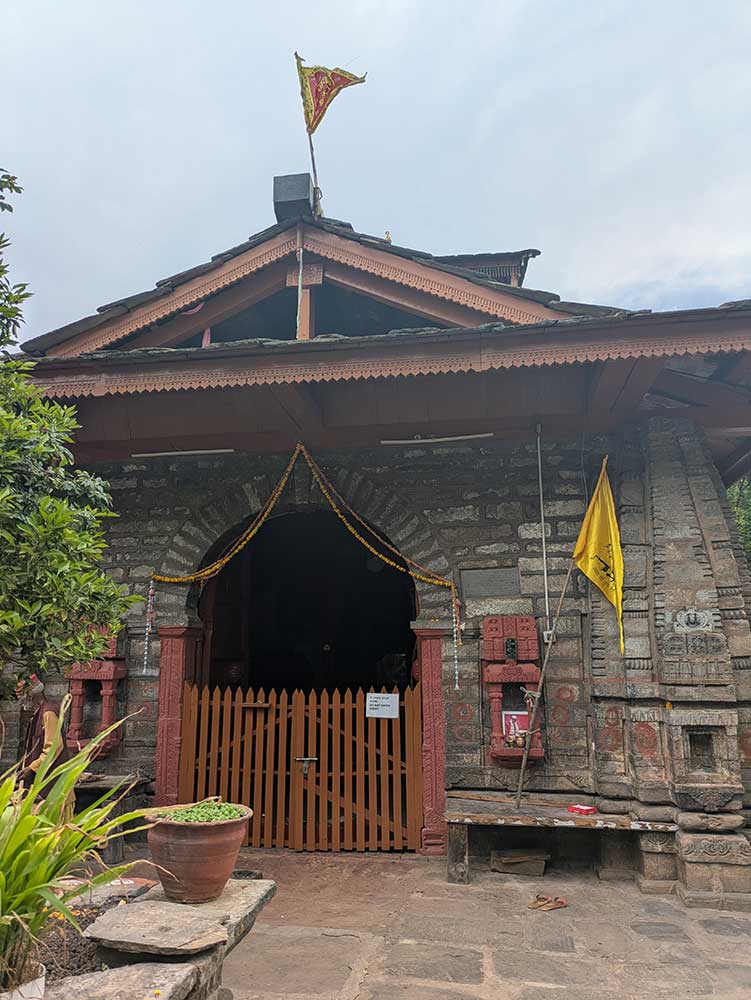
Table of Contents Temple Of Gauri Shankar With Sculptures Dassal The beautiful temple a fine example of art and architecture is datable to circa eleventh twelfth century ad standing on a high plinth the temple consists of a square sanctum and an antarala placed at a lower level and support -ed on two round pillars and two square pilasters. The richly carved door frame of the sanctum, with floral designs bears the image of ganesa on the lalatabimba and river goddesses ganga and yamuna on their respect ive vahanas flanked by saivite dwarapalas in the lower portions on either side of the entrance above the lintel of the door is placed a panel showing navagrahas. The pillars of the an- tarala are richly carved at the top as well at the bottom with floral scrolls interspaced with the images of gods. The square capitals depict vishnu, brahma,flying gandharvas and musici ans and a panel above the lintel shows floral motifs in nine niches. The pilasters show the images of river goddesses above which are panels depicting siva’s worship, dancers and musicians. The sanctum is crowned with a curviliniar sikhara and amalaka and its body bears chaitya windows carved in low relief, while the corners are interspacted with bhumiamlakas. The sukh- nasika over the antarala is decorated with blend of chaitya windows, floral and geomatrical designs. The five rathas of the sikhara show one large niche on each central ratha and two rows of niches mithuna couples / with floral designs, the other rathas.  Historical & Cultural Significance Dating back to the 12th century, the Gauri Shankar Temple represents the artistic brilliance of the early Himalayan dynasties. The temple houses a Shivlinga and features carvings of Hindu deities like Lord Vishnu, Ganesha, and Parvati Mata. It is not just a religious site but also a protected heritage monument that reflects the glorious past of Himachal. The Gauri Shankar Temple in Dashal is one of the oldest temples in Himachal Pradesh, dedicated to Lord Shiva and Goddess Parvati. Located near Naggar in the Kullu Valley, this 12th-century stone temple is famous for its Shikhara-style architecture, intricate carvings, and spiritual aura. A must-visit for history lovers, devotees, and travelers exploring offbeat Himachal Pradesh. Architectural Marvel of Dashal The temple is built in Shikhara-style stone architecture, with a curvilinear spire and beautifully detailed sculptures. Each carving narrates a story from Hindu mythology, making it a treasure for art enthusiasts and cultural explorers. Why Visit Gauri Shankar Temple Dashal? One of the most ancient temples in Kullu Valley Perfect blend of spirituality, history, and Himalayan beauty Peaceful surroundings ideal for meditation Close to other attractions like Naggar Castle, Roerich Art Gallery & Tripura Sundari Temple How to Reach By Road: Located near Dashal village, about 25 km from Kullu and 20 km from Manali. By Air: Nearest airport is Kullu-Manali Airport (Bhuntar), 35 km away. By Train: Nearest railway station is Joginder Nagar, 145 km away. Best Time to Visit The temple can be visited throughout the year, but the most pleasant seasons are March to June and September to November, when the weather enhances the charm of the valley. Nearby Attractions Naggar Castle – Ancient royal residence with Himalayan views Roerich Art Gallery – Dedicated to Russian painter Nicholas Roerich Tripura Sundari Temple – Another heritage temple near Naggar Apple Orchards & Traditional Himachali Villages – For an authentic cultural experience Travel Tip Include Gauri Shankar Temple Dashal in your Naggar or Kullu Valley itinerary for a unique experience of spirituality and heritage. Carry a camera, as the temple and its surroundings offer breathtaking photography opportunities. FAQs: 1. Where is Gauri Shankar Temple Dashal located? Gauri Shankar Temple is located in Dashal village, near Naggar in Kullu Valley, Himachal Pradesh. It is easily accessible by road from Manali and Kullu. 2. Who built the Gauri Shankar Temple in Dashal? The temple is believed to have been built in the 12th century during the Gurjara-Pratihara or later Himachali rulers’ period, showcasing ancient North Indian stone architecture. 3. What is special about the Gauri Shankar Temple? The temple is dedicated to Lord Shiva and is famous for its exquisite stone carvings, shikhara-style architecture, and serene spiritual atmosphere amidst the Himalayas. 4. Is there any entry fee to visit Gauri Shankar Temple Dashal? No, there is no entry fee. Visitors can explore and offer prayers at the temple free of cost. 5. What is the best time to visit Gauri Shankar Temple in Kullu Valley? The best time to visit is from March to June and September to November, when the weather is pleasant and the valley is at its most beautiful. Best Destination Packages Recent Adventure Tour Best Motor Bike Tour

Gauri Shankar Temple Dashal – Ancient Shiva Temple In Kullu Valley Read More »

Flash Floods in Himachal Pradesh

Flash Floods in Himachal Pradesh: What Travelers Must Know Before Visiting

Himachal Pradesh, often called the “Land of Gods”, is one of India’s most loved destinations for family vacations, adventure trips, and cultural tours. Snow-capped peaks, lush valleys, ancient temples, and flowing rivers make it a dreamland for travelers. But in recent years, flash floods in Himachal Pradesh have become a major concern, especially during the monsoon season (July– August). As a responsible travel company, we believe every tourist must be aware of the safety guidelines, best travel seasons, and precautions to ensure a safe and memorable trip to Himachal. Table of Contents What Causes Flash Floods in Himachal Pradesh? Flash floods are sudden and intense floods caused by heavy rainfall, cloudbursts, or rapid melting of glaciers. Himachal Pradesh, with its steep mountains and river valleys like Beas, Sutlej, and Chenab, is highly vulnerable to such natural disasters. Key causes include: Heavy Monsoon Rains – Continuous downpours lead to rising river levels. Cloudbursts – Sudden, intense rainfall within a short period. Landslides – Triggered by rain, blocking rivers and causing overflow. Glacier Melting – Climate change is increasing risks of water surges in high-altitude areas. Areas in Himachal Prone to Flash Floods Tourists planning to visit Himachal should be extra cautious in the following regions: Kullu & Manali Valley (Beas River) Kinnaur District (near Sutlej River) Lahaul-Spiti (glacier melt and sudden rains) Chamba & Kangra Valleys Shimla–Solan belt during heavy monsoon Safety Tips for Travelers During Flash Flood Season Traveling during monsoon can be thrilling, but it also requires caution. Follow these tips: Check Weather Forecasts – Always monitor IMD (India Meteorological Department) updates. Avoid Riverbanks & Waterfalls – These spots become dangerous during sudden rain. Travel with a Trusted Tour Operator – Local experts know safe routes and real-time updates. Carry Emergency Essentials – Power banks, torch, medicines, and dry food. Prefer Off-Monsoon Travel – Best months to visit Himachal are March–June (summer) and October–December (early winter). Why You Shouldn’t Cancel Your Himachal Trip Though flash floods in Himachal Pradesh grab headlines, it doesn’t mean you should skip this paradise. By choosing the right season and following safety measures, your family can enjoy a safe and unforgettable vacation. Many regions such as Naggar, Jibhi, Tirthan Valley, Dharamshala, Bir Billing, and Dalhousie remain relatively safer and are perfect for exploring Himachal’s culture and natural beauty. Final Thoughts Himachal Pradesh remains one of the best travel destinations in India, but being an informed traveler is the key. Instead of fearing flash floods, plan wisely, choose the right time, and explore the hidden gems of Himachal with local guidance. At Unexplored Himachal, we create safe, customized, and family-friendly itineraries so that you can experience the magic of the Himalayas without worry. 👉 Plan your Himachal Tour with us today and travel safely! FAQs 1. Are flash floods common in Himachal Pradesh? Yes, flash floods are common during the monsoon season (July–September) due to heavy rainfall and sudden cloudbursts. 2. When is the safest time to visit Himachal Pradesh? The best and safest time to visit is from March to June (summer) and October to February (winter) when the weather is stable. 3. How can travelers stay safe during flash floods? Travelers should avoid riverbanks, check weather alerts, keep emergency contacts handy, and avoid traveling during heavy rain. 4. What areas in Himachal are most affected by flash floods? Regions like Kullu, Manali, Kinnaur, Chamba, Mandi and parts of Lahaul-Spiti are prone to flash floods during monsoon. 5. Should tourists avoid Himachal Pradesh during monsoon? While Himachal is beautiful year-round, it is advisable to avoid monsoon travel if safety is a concern, especially for families and trekkers. Best Destination Packages Recent Adventure Tour Best Motor Bike Tour

Flash Floods in Himachal Pradesh: What Travelers Must Know Before Visiting Read More »

Best Months to Visit Himachal with Family – Summer & Winter Travel Guide

Planning a family trip to Himachal Pradesh? Whether you dream of snow-covered mountains, lush green valleys, or scenic hill towns, Himachal is perfect for a vacation any time of the year. From pleasant summers ideal for sightseeing to magical winters filled with snow adventures, each season has its own charm. In this travel guide, we’ll share the best months to visit Himachal with family so you can plan the perfect holiday. Table of Contents Summer in Himachal (March to June) – Perfect for Sightseeing & Outdoor Fun Summer is the peak season for Himachal family holidays, especially for those escaping the hot plains. Why choose summer for your Himachal trip? Comfortable weather – Day temperatures between 15°C to 25°C make outdoor activities enjoyable. Family-friendly attractions – Visit apple orchards in Kotkhai, enjoy river rafting in Kullu, or take nature walks in Tirthan Valley. Clear roads & easy travel – Ideal for road trips with kids without worrying about snow-blocked routes. Top summer destinations – Shimla, Manali, Dalhousie, Dharamshala, Tirthan Valley, Kinnaur. Spiti valley. Tip: Since summer is the busiest season, book your Himachal family tour packages early to get the best hotels and rates. Winter in Himachal (October to February) – Snowfall & Winter Adventures If your family loves snow, then Himachal in winter is a magical experience. Why visit Himachal in winter? Snowy landscapes – Experience snowfall in Manali, Kufri, and Narkanda. Winter sports – Skiing in Solang Valley, snowboarding in Kufri, or snow treks in Sethan. Festive celebrations – Christmas markets, New Year events, and local winter festivals. Top winter destinations – Manali, Kufri, Narkanda, Kalpa, and even Spiti for adventure seekers. Tip: Pack warm woollens and keep buffer days in case of heavy snow blocking roads. Monsoon in Himachal (July to September) – Offbeat & Budget-Friendly While monsoon brings occasional landslides, it’s the best season for budget family trips to Himachal. Greenest landscapes – Valleys and mountains look fresh after rain. Lower prices & fewer tourists – Perfect for a peaceful holiday. Offbeat gems – Explore Jibhi, Shoja, Barot, and Churah Valley. Quick Seasonal Guide for Families For pleasant sightseeing: March to June For snow lovers: December to February For greenery & budget trips: July to September Himachal Pradesh offers something for every family, whether you’re chasing adventure, peace, or scenic beauty. The best time to visit Himachal with family depends on the experiences you want — but every season will leave you with unforgettable memories. FAQs 1. What is the best month to visit Himachal with family? May to June for summer trips and December to February for winter snow experiences are ideal. 2. Is Himachal safe for family travel? Yes, Himachal is generally safe for families, with friendly locals and well-connected tourist spots. 3. Which places in Himachal are best for kids? Shimla, Manali, Dalhousie, and Kufri are great for children with fun activities and safe environments. 4. Can we see snow in Himachal during summer? Snow is usually only available at high-altitude areas like Rohtang Pass and Kunzum La in summer. 5. How many days are enough for a family trip to Himachal? A 5–7 day itinerary is ideal to cover popular destinations without rushing. Best Destination Packages Recent Adventure Tour Best Motor Bike Tour

Best Months to Visit Himachal with Family – Summer & Winter Travel Guide Read More »

Roerich Art Gallery

Roerich Art Gallery – A Timeless Artistic Gem in Naggar, Himachal Pradesh

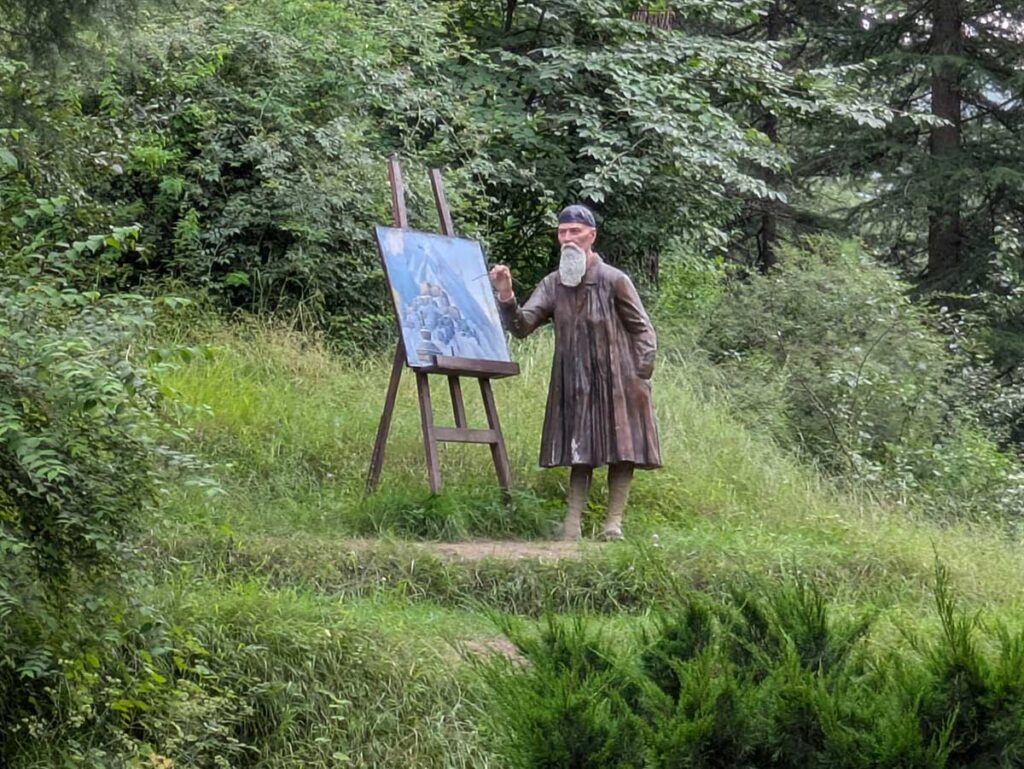
Naggar is a quaint village in Kullu Valley, the Roerich Art Gallery is a must-visit destination for art lovers, history enthusiasts, and travelers seeking cultural inspiration. Surrounded by apple orchards, pine forests, and breathtaking views of the Himalayas, this gallery offers a peaceful retreat and a glimpse into the artistic legacy of the famous Russian painter Nicholas Roerich. Table of Contents A Glimpse into History The gallery is housed in the former residence of Nicholas Roerich, who settled in Naggar in the early 20th century. Roerich was a renowned painter, writer, and philosopher whose works reflect the beauty of the Himalayas and the spiritual depth of Indian culture. His home has now been converted into a museum that preserves his paintings, personal belongings, and photographs, offering visitors a chance to step back in time. Central Asian Expedition of Nicholas Roerich The Central Asian expedition was one of the most important achievements in Nicholas Roerich’s life. The results of this expedition essentially influenced creative work of all members of the Roerichs family. In 1924 expedition caravan departed from India and traversed China, Russia, Mongolia, Tibet as well as scantily explored and difficult regions. In 1928 the expedition came back to India. Nicholas Roerich, his wife Helena Roerich and their elder son, orientalist, George were members of the expedition. 25,000 kilometers across mountain passes, waterless deserts, boundless steppes, ice-covered slopes, deep crevices on the route, ardent heat and severe frost, nature elements and human hostility – whatever the difficulties were, they could not break travelers’ spirit. The most dangerous salt bogs of Tsaidam did not stop the travelers, despite the fact that it took them more than a day to cross the bogs at one stretch. They managed to break away from the deadly embraces of Chantangh plateau, where the expedition had been arrested for 4 long winter months by Tibetan soldiers on the order of British authorities of colonial India. The Roerichs realized the long-held dream of explorers of Asia to cross the Tibet following the shortest route from the North, from the side of Siberia and Mongolia to the South, to the Himalayas. They were the first to map out many summits and passes. A large scientific material, including archeological, ethnographic, geological and artistic items, was collected. On the expedition route Nicholas Roerich had created over 500 paintings, drawings, sketches. Central Asian expedition is the only one reflected in wonderful paintings. Mysterious, little-known in Europe Oriental world appeared in Roerich’s paintings and notes, created during the expedition. Having the gift of synthesis Roerich creates in his art the reflection of real Asia, which he had seen with his watchful eye of a scientist and visionary imagination of an artist. Diverse and rich art of nations, their moral and spiritual values attracted Nicholas Roerich’s attention. He perceived it as something eternal, “imperishable”, which is the core of human existence. He visits cloisters and studies ancient manuscripts. He admires the sense of beauty and courageous selfless-ness of the ancient builders, whose edifices “soared to the waterless summits like eagles”. He feasts his eyes on entail and colorful murals of Indian temples. Comparing them to ancient Russian temples he becomes firmly convinced that Russian and Indian cultures have much in common. He had been interested for a long time in the question of the great transmigration of peoples. On the expedition route Roerich finds tracks of settlements in places, where, according to modern scientists, they could not be found. Petroglyphs, ancient burial places, enigmatic stone constructions mysteriously concatenated the Orient and Europe, the Orient and America. Studying original cultures of different nations, Roerich tries to find something that unites them. He aimed at proving that different nations have more similarities than differences. Nicholas Roerich used to say that we study past for the sake of future. If there was time when humanity was united, it means that this unity can be possible in future. And each culture would bring its unique gifts to the common treasury. The expedition studied not only significant sites of material culture of Asian nations but their rich spiritual heritage as well. Members of the expedition collected series of legends and historical stories about sages, ascetics and heroes; about Buddha whose teaching considers, above all, self-improvement and advance; about Jesus Christ, who is remembered in Asia as “the best of sons of men”. Roerichs had also collected legends about Gesar-khan, who was mysterious king and valiant hero of Asia. Epic stories about Gesar-khan were composed in Tibet, Mongolia, Buryatia, Ladakh. Nobody knows, where the great hero was gone, but there will be time when the great hero appears again and destroys all the evil in this land. Nicholas Roerich wrote down legends about Mahatmas, about miraculous stone Chintamani, about sacred Shambhala – the only place on the Earth, where the supermundane joins this world. The prophecies say that there will be the day when the Light Forces led by the Lord of Shambhala will be victorious over the dark forces… Roerich’s paintings, notes and sketches on Shambhala, Stone, Mahatmas (the guardians of secret knowledge) resembled to a fairy tale. However, it was a reality with which the Roerichs were in contact during the whole expedition. Importance and originality of Nicholas Roerich’s expedition is that a huge scientific material, collected on the route, was examined and selected from a wide philosophical point of view, where past harmonized with future. Future determined the route of the expedition. Roerich’s expedition remains understudied and underexplored but it can lay claim to have a special place among expeditions of the last two centuries. What to See at Roerich Art Gallery Original Paintings – Explore Roerich’s masterpieces depicting Himalayan landscapes, Tibetan culture, and Indian traditions. Personal Artifacts – See rare photographs, manuscripts, and Roerich’s own painting tools. Heritage Architecture – Admire the wooden structure blending traditional Himachali and European styles. Surrounding Gardens – Enjoy a leisurely stroll in the lush garden with panoramic mountain views. Why Visit? The Roerich Art Gallery is not just

Roerich Art Gallery – A Timeless Artistic Gem in Naggar, Himachal Pradesh Read More »

Krishna Temple / Muralidhar Temple Thawa

Krishna Temple / Muralidhar Temple Thawa

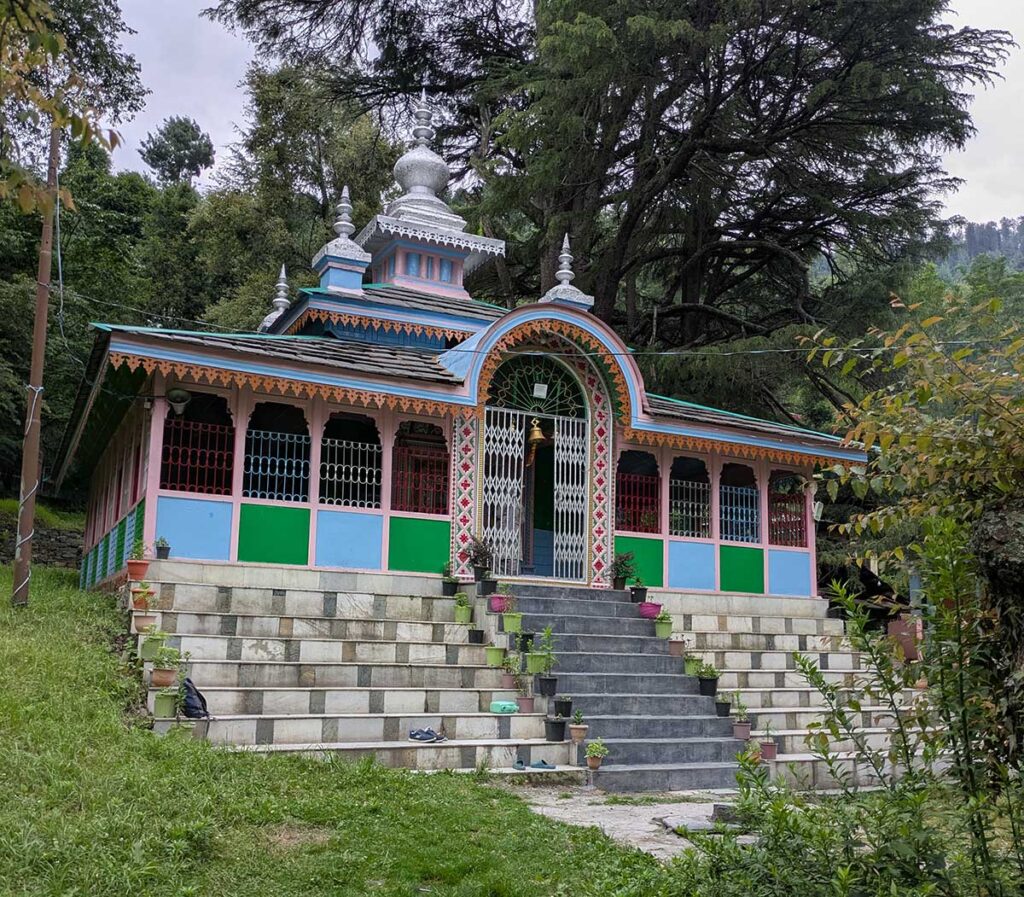
Krishna Temple / Muralidhar Temple Thawa – A Hidden Spiritual Gem in Naggar, Himachal Pradesh Discover the spiritual beauty of Muralidhar Temple in Thawa village, Kullu. A peaceful offbeat destination offering divine vibes, heritage, and Himalayan serenity. Naggar, a quaint village in the Kullu district, Thawa Mandir is one of the lesser-known yet spiritually rich temples of Himachal Pradesh. Dedicated to Lord Krishna, the temple offers a serene escape from the tourist crowd and is an ideal spot for those seeking spiritual peace, ancient architecture, and panoramic mountain views .Most tourists visit Nagger for the famous Naggar Castle or Nicholas Roerich Art Gallery, few know about this peaceful retreat surrounded by pine forests, where devotion meets divine tranquility.. Table of Contents A Divine Retreat in the Himalayas The Muralidhar Temple stands as a beautiful example of traditional Himachali  architecture, adorned with intricate carvings and surrounded by deodar trees and snow-clad peaks. Locals believe that the idol of Lord Krishna housed here is self-manifested (Swayambhu) and holds divine energy that draws devotees and spiritual seekers alike. How to Reach The temple is located in Thawa village, around 25 km from Kullu and 5 km from Naggar. The route offers breathtaking views of the valley and is perfect for a peaceful drive or even a short hike for nature lovers. It’s best to visit during the spring or early autumn when the weather is pleasant and the surroundings are lush green. Why Visit Muralidhar Temple Thawa? Offbeat spiritual experience away from tourist crowds Stunning Himalayan views and peaceful atmosphere Connect with local culture and traditions Ideal for photography, meditation, and slow travel Final Thoughts If you’re planning a trip to Kullu–Naggar region, make sure to include Muralidhar Krishna Temple Thawa in your itinerary. Whether you’re a spiritual traveler, a history enthusiast, or simply someone who loves exploring hidden spots in Himachal, this temple promises a soulful and enriching experience. FAQs 1. Where is Muralidhar Temple located? Muralidhar Temple is located in Thawa village, nestled in the scenic hills of Himachal Pradesh. 2. Who is worshipped at Muralidhar Temple? The temple is dedicated to Lord Krishna, revered here as Muralidhar – the one who holds the flute. 3. What is the best time to visit Muralidhar Temple Thawa? The best time is from March to June and September to November for pleasant weather and clear views. 4. Is there any festival celebrated at the temple? Yes, Janmashtami, the birth of Lord Krishna, is celebrated with devotion and traditional rituals. 5. How can one reach Muralidhar Temple in Thawa? The temple can be reached by local transport from nearby towns or by trekking short distances through scenic routes. Best Destination Packages Recent Adventure Tour Best Motor Bike Tour

Krishna Temple / Muralidhar Temple Thawa Read More »

Discover Karishana Temple, Lag Valley

Hidden in Bhalyani—a quaint village some 20 km from Kullu town—lies the charming Shri Krishna Temple, locally known as Karishana Temple. Tucked in the heart of Lag Valley, it offers travelers a peaceful retreat surrounded by orchards, meadows, and snow-capped peaks. Table of Contents A Serene Himalayan Escape Hidden in Bhalyani—a quaint village some 20 km from Kullu town—lies the charming Shri Krishna Temple, locally known as Karishana Temple. Tucked in the heart of Lag Valley, it offers travelers a peaceful retreat surrounded by orchards, meadows, and snow-capped peaks. Journey through Lag Valley To reach Bhalyani, catch an HRTC bus from Kullu or board a local jeep at Dhalpur. The narrow mountain road winds through quaint hamlets and apple orchards before opening up to delightful meadowlands. Many adventurers recommend combining the ride with a brisk uphill hike—immersive and scenic! Temple Vibes & Festive Spirit The temple stands adjacent to a sprawling meadow, serving as the vibrant center for local gatherings and festivals . The joyous “Fagli” festival occurs in March, while “Kahika”—a three‑day celebration involving deities like Gohri Devta, Than Devta, and Sher Devta—comes alive around July–August. Locals engage in ritual dances and games, organized by priests and temple caretakers. Why Visit? Tranquility: Uncrowded and untouched, Bhalyani showcases the serenity of the Himalayas—no noisy tourist traffic. Cultural Immersion: Witness genuine Himalayan rituals and interact with villagers during vibrant, lesser-known festivals. Stunning Setting: A large open ground offers picnic spots with sweeping valley views—perfect for photography and relaxation. Travel Tips Best Time: Visit between March and August to catch Fagli and Kahika festivals. Getting There: Public transport is available, but hiring a local jeep might save time and add local flavor. Stay Options: Bhalyani has minimal accommodations—ideal for a day trip from Kullu or Manali. Code of Conduct: Dress modestly, respect temple customs (avoid leather items in sacred spaces), and carry small notes for offerings . Sample Itinerary Morning: Depart from Kullu → Reach Bhalyani village → Wander local villages and meadows. Midday: Visit Karishana Temple → Enjoy a simple prasad or picnic amidst verdant fields. Afternoon: Explore adjacent trails or attend a festival if in season. Evening: Return via scenic bus/jeep ride as the Himalayan sun sets. Final Thoughts The Karishana Temple in Bhalyani is a soul-soothing experience—a blend of hilltop calm, cultural richness, and Himalayan beauty. It’s a perfect addition to any Kullu region itinerary: easy to reach, hard to forget. Best Destination Packages Recent Adventure Tour Best Motor Bike Tour

Discover Karishana Temple, Lag Valley Read More »

Is Monsoon the Best Time to Travel to Spiti Valley?

Discover why the monsoon season (July to September) is one of the best times to visit Spiti Valley. Get travel tips, road conditions, and the top experiences during this unique season. Table of Contents Why Monsoon is a Magical Time to Travel to Spiti Valley Discover why the monsoon season (July to September) is one of the best times to visit Spiti Valley. Get travel tips, road conditions, and the top experiences during this unique season. Introduction: Spiti Valley, known as the “Middle Land” between India and Tibet, is a dream destination for adventure seekers and nature lovers. While most travelers avoid the Himalayas during monsoon, Spiti Valley offers a unique experience that’s hard to find anywhere else during this season. Let’s dive into why monsoon might just be the best time to explore Spiti Valley. 1. Spiti Valley – A Rain Shadow Wonderland Unlike other parts of Himachal, Spiti lies in a rain shadow region. This means while other areas experience heavy rainfall, Spiti remains largely dry and safe for travel. The skies are dramatic, the air is fresh, and the landscapes look more alive than ever. 2. Fewer Tourists, More Serenity Monsoon is considered an offbeat time to visit Spiti Valley, which means fewer crowds, less traffic, and more peace. You can enjoy monasteries, viewpoints, and local experiences without any rush. It’s perfect for photographers, solo travelers, and those seeking true Himalayan solitude. 3. Lush Valleys & Blooming Wildflowers While Spiti is known for its rugged beauty, the monsoon brings a rare burst of green. The valleys bloom with wildflowers, and the rivers flow with glacial melt, creating a contrast of colors that’s nothing short of mesmerizing. 4. Ideal for Adventurous Road Trips Roads to Spiti from Manali and Shimla open up fully during the monsoon months. The route via Manali-Kaza offers dramatic mountain views, waterfalls, and thrilling river crossings. With proper planning, a monsoon road trip to Spiti can be the journey of a lifetime. 5. Festive Spirit in the Air Monsoon coincides with local festivals like Ladarcha Fair in Kaza, celebrating Spiti’s vibrant culture, trade, and hospitality. It’s the best time to witness the traditional music, dance, and spiritual celebrations of this Himalayan tribe. Travel Tips for Spiti in Monsoon: Road Conditions: Roads can get slippery near Manali or Shimla; always check local updates. Drive Carefully: Landslides are possible on the outer roads (not inside Spiti); travel with experienced drivers. Pack Right: Carry waterproof clothing, shoes, and a rain cover for your backpack. Stay Connected: Download offline maps; network is limited in most parts of Spiti. Final Thoughts: Spiti Valley during monsoon is a surreal blend of silence, adventure, and raw beauty. If you’re someone who enjoys offbeat travel and nature’s drama, monsoon could be the most enchanting time to experience Spiti. So pack your bags, charge your cameras, and get ready to explore Spiti Valley – a rain shadow paradise during monsoon! Plan your trip now with Unexplored Himachal – your local expert for Spiti offbeat travel! Book Your Himachal Tour Now! Whether its snow trekking in Himachal, biking through Spiti, or relaxing in a riverside cottage in Tirthan, let the best tour operator in Himachal craft your perfect journey. 📞 Call Now: +91-80911 70037🌐 Website: www.unexploredhimachal.com📍 Office: Kullu Manali ( Himachal Pradesh ) INDIA Best Destination Packages Recent Adventure Tour Best Motor Bike Tour

Is Monsoon the Best Time to Travel to Spiti Valley? Read More »

Himachal Tour

Discover Himachal with the Best Tour Operator / Travel Company – Your Gateway to Offbeat Adventures!

Looking for the best tour operator in Himachal Pradesh? Explore hidden gems, customized packages, and unforgettable journeys with Himachal’s most trusted travel company. Table of Contents Why Choosing the Right Tour Operator Matters Himachal Pradesh, with its towering mountains, serene valleys, and untouched villages, is every traveler’s dream. But to truly experience its magic, having the right tour operator makes all the difference. A professional, local operator not only helps you save time and money but also offers insider knowledge, comfort, and safety. Top Reasons to Choose the Best Tour Operator in Himachal Local ExpertiseGet access to places no Google map will show you — hidden waterfalls, local festivals, ancient temples, and village stays. Customized ItinerariesWhether you’re a solo traveler, honeymooner, family, or biker gang, your tour is crafted your way. 24/7 Travel SupportEnjoy peace of mind with on-trip support, reliable transport, and emergency backup. Affordable PackagesTransparent pricing with no hidden costs, plus exclusive discounts on stays and experiences. Eco-Friendly TravelSupport responsible tourism — our partner operators work with local communities and avoid over-tourism spots. Our Recommendation: Unexplored Himachal Tours – The Best in Himachal If you’re planning a trip to Himachal, we recommend Unexplored Himachal Tours. One of the top-rated and trusted travel companies in the region. What Sets Them Apart? Based locally in Kullu-Manali 5000+ happy travelers served Handpicked homestays , Hotels & camps Certified and licensed drivers/guides, Homstay / Hotels Custom group tours for Spiti, Lahaul, Jibhi, Tirthan, Chitkul, Janjhli,  Kalpa & beyond Popular Packages Offered: 7 Days Spiti Valley Adventure Romantic Honeymoon in Shimla Manali Offbeat Jibhi-Tirthan Valley Tour Hidden Broat & Janjhli Valley Tour Himachal Hidden Valleys Tour Shimla-Kinnaur Exploration Customized Group Tours & Biking Expeditions Customized Himachal Family Tours Student Educational Group Tours Book Your Himachal Tour Now! Whether its snow trekking in Himachal, biking through Spiti, or relaxing in a riverside cottage in Tirthan, let the best tour operator in Himachal craft your perfect journey. 📞 Call Now: +91-80911 70037🌐 Website: www.unexploredhimachal.com📍 Office: Kullu Manali ( Himachal Pradesh ) INDIA Best Destination Packages Recent Adventure Tour Best Motor Bike Tour

Discover Himachal with the Best Tour Operator / Travel Company – Your Gateway to Offbeat Adventures! Read More »

Top 10 Must-Visit Places in Himachal Pradesh (2025 Travel Guide)

Top 10 Must-Visit Places in Himachal Pradesh (2025 Travel Guide)

Nestled in the lap of the Himalayas, Himachal Pradesh is a paradise for nature lovers, adventure seekers, and cultural enthusiasts. Whether you’re planning a summer escape or a winter wonderland trip in 2025, this guide features the top 10 must-visit places in Himachal Pradesh along with local travel tips and offbeat recommendations. Table of Contents 1. Shimla – The Queen of Hills Why Visit: Colonial charm, Mall Road, Ridge, Christ ChurchBest Time: March–June, December for snow 2. Manali – Adventure & Serenity Why Visit: Rohtang Pass, Solang Valley, Atal TunnelActivities: Paragliding, skiing, river raftingBest Time: October–February for snow; May–June for summer escape 3. Spiti Valley – The Cold Desert Why Visit: High-altitude monasteries, stunning landscapesDon’t Miss: Key Monastery, Chandratal Lake, Pin ValleyBest Time: May–September 4. Dharamshala & McLeodganj – The Little Lhasa Why Visit: Tibetan culture, Dalai Lama Temple, Triund trekBest Time: March–June, October–NovemberLocal Tip: Try authentic Tibetan food at local cafes 5. Kasol – Mini Israel of India Why Visit: Parvati Valley, chilled vibe, Israeli cafesPerfect For: Backpackers and solo travelers 6. Kinnaur – The Land of Apples and Gods Why Visit: Sangla Valley, Kalpa, Kinner KailashBest Time: April–OctoberOffbeat Tip: Visit Chitkul – the last village before the Indo-Tibetan border 7. Tirthan Valley – Hidden Gem for Nature Lovers Why Visit: Serolsar Lake, Great Himalayan National ParkBest Time: March–June, September–November 8. Chamba – Underrated Hill Beauty Why Visit: Bhuri Singh Museum, Khajjiar (Mini Switzerland)Perfect For: Cultural buffs & familiesTravel Hack: Combine it with Dalhousie for a wholesome trip 9. Bir Billing – Paragliding Capital of India Why Visit: Tandem paragliding, monasteries, cafésBest Time: October–November, March–May 10. Mashobra & Narkanda – Peaceful Alternatives to Shimla Why Visit: Apple orchards, skiing in NarkandaIdeal For: Couples and peace seekersLocal Insight: Less crowded, more natural Himachal Pradesh is more than just a destination—it’s an emotion. Whether you’re in search of tranquility, thrill, or local culture, Himachal offers something for every traveler in 2025. FAQ’s:  Q1: What is the best month to visit Himachal Pradesh in 2025? A: March to June and September to November are ideal, though snow lovers should visit in December–March. Q2: Is Himachal safe for solo female travelers? A: Yes, but stick to known routes, trusted home stays, and inform someone of your itinerary. Best Destination Packages Recent Adventure Tour Best Motor Bike Tour

Top 10 Must-Visit Places in Himachal Pradesh (2025 Travel Guide) Read More »

himachal pradesh safe for travel during wartime

Is Himachal Pradesh Safe for Travel During Wartime?

Traveling to the hills during times of uncertainty can be both a comforting escape and a reason for concern. With rising geopolitical tensions in some parts of the world, travelers often ask, “Is Himachal Pradesh safe for travel during war or national conflict?” The short answer is: Yes, Himachal Pradesh remains largely safe and peaceful, but it’s essential to stay informed and cautious. This blog will give you a clear picture of what to expect and how to plan your trip wisely. Table of Contents Understanding Himachal’s Geopolitical Location Himachal Pradesh is a northern Indian state, bordering Jammu & Kashmir and the Tibet Autonomous Region of China. However, most of the tourist regions such as Shimla, Manali, Dharamshala, and Kasol are far from any active conflict zones or military tensions. The Indian Army does have a presence in certain high-altitude and border areas (like Kinnaur, Lahaul-Spiti, and parts of Chamba), but tourist safety remains a priority, and civilian areas are well-guarded and peaceful. Is It Safe to Travel to Himachal During Wartime? Here’s a breakdown of safety considerations during wartime or military tensions: Safe Zones for Tourists Most major tourist destinations in Himachal are: Far from the actual borders Well-patrolled and secure Used to hosting tourists year-round Cities and towns like: Shimla Manali Dharamshala & McLeod Ganj Kasol & Tirthan Valley …continue to operate normally even during nationwide unrest or regional tension. Caution Zones If tensions rise due to conflict near the India-China or India-Pakistan borders, you may want to avoid remote or sensitive areas such as: Spiti Valley (especially near the Indo-Tibetan border) Kinnaur Certain passes like Shipki La and Sumdo, which may see increased military movement Access to these areas may be restricted during heightened How the Local Government Responds During Conflict Himachal Pradesh has a strong disaster and security management system in place. In case of any national emergency or military conflict: Tourist movement may be regulated in sensitive regions Military and police presence increases in border districts Internet and mobile services may be limited in specific zones for security reasons Rest assured: Tourist areas with significant footfall (like Manali or Shimla) are rarely affected and continue to function with enhanced security. Travel Tips for Wartime Travel in Himachal If you’re planning to travel during periods of tension or war, here are some essential tips: Stay Informed Follow official travel advisories from the Government of India or your home Keep track of local news via trusted outlets like The Tribune (Himachal edition) or Himachal Pradesh Tourism Department. Emergency Contacts Save helpline numbers: 112 (Emergency), 1077 (Disaster Helpline). Register your presence with your embassy if you are a foreign Flexible Itinerary Avoid remote trekking or long stays in isolated villages near Be ready for sudden route changes or travel delays in case of military Travel Light & Smart Carry essential documents and ID at all Avoid discussing political or military topics with locals or on social media Should You Cancel Your Trip? Only if your destination is in a high-alert zone, like near the Tibet border or if the government has issued a direct advisory against travel. Otherwise, the rest of Himachal is calm, welcoming, and operating normally. Final Thoughts: Travel Responsibly, Stay Aware Himachal Pradesh is known for its peace-loving communities, spiritual vibe, and breathtaking beauty. Even during tense periods, the state remains one of the safest places in India for travelers, thanks to its distance from active conflict zones and its strong civil infrastructure. If you’re planning a trip during uncertain times: Stay informed. Stay flexible. And let the mountains bring you peace. Got questions or need help planning your trip? Drop a comment below or contact our team ( 080911 0037 )— we’ll guide you every step of the way. FAQ’s: 1. Is it safe to travel to Himachal Pradesh during wartime? Safety depends on the intensity and proximity of the conflict. While Himachal Pradesh is not typically on the front lines, travelers should follow official advisories, stay informed, and avoid border areas. 2. Are tourist spots in Himachal Pradesh still open? Most tourist areas remain open unless otherwise stated by local authorities. It’s essential to check with local tourism departments and accommodations before planning your visit. 3. Will internet or mobile services be affected? In times of heightened tension, temporary disruptions in communication services may occur. Carry backup options like offline maps and inform someone of your itinerary. 4. What should I do if a conflict escalates while I’m in Himachal? Stay calm, follow local instructions, avoid large gatherings, and keep emergency contacts handy. Register with your country’s embassy or consulate, if possible. 5. Are foreign nationals allowed to visit Himachal Pradesh during wartime? Yes, but they are advised to stay updated with their respective embassy travel advisories and avoid high-risk areas. Travel insurance with conflict coverage is highly recommended. 6. Can I cancel or reschedule my trip if tensions rise? Most travel services offer flexible rescheduling or cancellation policies during uncertain times. Check the terms and conditions of your bookings and speak directly with service providers. 7. What emergency numbers should I keep handy? Police: 100 Ambulance: 102 Tourist Helpline (India): 1363 Best Destination Packages Recent Adventure Tour Best Motor Bike Tour

Is Himachal Pradesh Safe for Travel During Wartime? Read More »

Dechen Choekhor Monastery: A Tranquil Tibetan Escape in Kullu

Dechen Choekhor Monastery: A Tranquil Tibetan Escape in Kullu

Hidden amidst the breath taking hills of the Kullu Valley lies Dechen Choekhor Monastery, one of the best Buddhist monasteries in Himachal Pradesh , And a serene Tibetan Buddhist sanctuary that feels like a slice of Ladakh in Himachal Pradesh. For travelers seeking spiritual calm, rich culture, and Spiritual places in Kullu, this monastery is a hidden gems. Table of Contents A Glimpse into Tibetan Culture Also known as Dechen Choekhor Mahavihara, the monastery was established to preserve the teachings of Tibetan Buddhism. Built in traditional Tibetan style, the monastery is adorned with intricate murals, golden statues of the Buddha, and rows of spinning prayer wheels. As soon as you enter the premises, you’re enveloped in an aura of peace and purpose. The resident monks follow the Drukpa Kagyu tradition, and you can often hear their chants resonating through the valley — a hum that blends perfectly with the mountain breeze. Location: Where Spirituality Meets Scenery Located in Sarabai village, around 12 km from Kullu town, Dechen Choekhor Monastery offers stunning views of the surrounding mountains, valley views. The road leading to the monastery winds through quiet villages and terraced fields — a scenic prelude to the tranquility that awaits. How to reach: Nearest town: Kullu (approx. 20 minutes by car) Nearest airport: Bhuntar Airport (KUU), 3 km away Best time to visit: March to June, and September to November What to Expect as a Visitor Open to all: Visitors are welcome to explore the grounds, attend prayer sessions, and speak with monks (many of whom are happy to share insights into Buddhist philosophy). Photography: Permitted in most areas, but always ask before taking photos of monks or inside the prayer hall. Meditation halls & prayer flags: The vibrant prayer flags fluttering in the wind, combined with the serene architecture, make it an ideal spot for meditation or introspection. Travel Tips Visit early in the morning to experience the monastery at its calmest. Visit best Spiritual places in Kullu Dress modestly and speak softly while on the grounds. Combine your visit with a trip to Naggar, Bijli Mahadev Temple, Khais Dhar Eco Trail or the Tirthan Valley for a fuller cultural and natural experience. Why You Should Visit Dechen Choekhor Unlike the more crowded monasteries of Himachal, Dechen Choekhor offers a pure, peaceful space for those looking to disconnect from chaos and reconnect with themselves. Whether you’re a photographer, a cultural explorer, or someone seeking spiritual insight, this monastery is bound to leave a lasting impression. 1. Where is Dechen Choekhor Monastery located? Dechen Choekhor Monastery is situated in Sarabai village, about 14 km from Kullu and 5 km from Bhuntar in Himachal Pradesh, India. 2. What is the best time to visit the monastery? The best time to visit is from March to June and September to November, when the weather is pleasant and the views of the valley are clear. 3. Is there an entry fee for visiting the monastery? No, entry to the monastery is free. However, donations are welcome and go toward maintenance and support of the monks. 4. Can tourists attend prayer ceremonies or meditate at the monastery? Yes, visitors are welcome to quietly observe prayer sessions and meditate in designated areas, respecting the peaceful environment. 5. Are photography and videography allowed inside the monastery? Photography is generally allowed outside, but inside prayer halls it may be restricted. Always ask for permission before taking pictures indoors. Best Destination Packages Recent Adventure Tour Best Motor Bike Tour

Dechen Choekhor Monastery: A Tranquil Tibetan Escape in Kullu Read More »

Raghunath Temple, Kullu

Raghunath Temple, Kullu – A Divine Retreat in the Lap of the Himalayas

Raghunath Temple stands as a sacred beacon of spirituality and history. This revered Hindu shrine, dedicated to Lord Raghunath (an incarnation of Lord Rama), is a must-visit destination for pilgrims and travelers alike. Table of Contents History & Significance Built in the 17th century by Raja Jagat Singh, the temple is deeply rooted in Kullu’s spiritual and royal heritage. According to legend, the king brought an idol of Lord Raghunath from Ayodhya to absolve himself of a curse. Since then, the temple has been the presiding religious site of Kullu, particularly during the world-famous Kullu Dussehra festival. Brief history of the Temple This historical temple was built during the reign of King Jagat singh ascended the throne of Kullu in 1637 – 62. He was a mighty and valiant king. He was disgraced by the murder of a Brahmin Vargidatta of Tipri village. Small insects started appearing in the food, the water turned bloody and he also got leprosy. In those days, a Siddha Mahatma of Krishnadas Gaydwari Cheshyav Sampravaap lived in a place called Bhidi near the city. He was famous in the local Moli by the name of Pudhari Bana. Rana went to Pujari Baba for a cure of his disease. With his spiritual powers, he cured the worms in the food and the water appearing like flax. The king was very impressed by this miracle and became a disciple of Krishnadas Papahari. Mahatma ji gave him the idol of Lord Narasimha.  The king installed Lord Narasimha on the throne and started serving as a Karodadar. Phuhari Baba asked the king to bring the idols of Shri Ramchandra and Sita ji from the Tanath temple in Apanodhya for the cure of leprosy. These are the same idols that Shri Ramchandra himself had made for the Ashwamedha Yagya. These are thumb size only. According to Vedic tradition, whenever a statue of a person is made, it should be thumb size only, because the size of the soul is considered to be thumb size only and the reason for keeping this statue behind the curtain is that Alga Devi cannot go. This is the proof that these idols were made for the Ashwamedha Yagya. To bring the idols from Ayodhya, Phuhari Bana sent his disciple Pandit Damodardas Gosain, who was living with the king of Suket (present Sundarnagar), to Ayodhya. He kept watching the rituals in the temple for a year and brought those idols when he got time.  First these idols were established in the pilgrimage Manikon. Here also the rituals were performed in the same manner as in Ayodhya. The festivals celebrated in Ayodhya throughout the year were celebrated in the same manner. The king observed the ritual every day and consumed Charanamrit. After some time he was cured of leprosy. Due to this amazing miracle, religious feelings became stronger in his mind, he offered his entire kingdom to Shri Raghunath ji and himself became the servant of Shri Raghunath ji. From that time Shri Raghunath ji became the main deity of Kullu. Seeing the miracle of the idols, all the gods and goddesses of Kullu came to see Raghunath ji. In 1660 AD, a temple was built in Raghunathpur Kullu and the idols brought from Ayodhya were brought from Manikaran and installed in this temple. The king gave jagir to the gods and goddesses of all the areas under him. Around 1660, Dussehra of Kullu started.  On this occasion, 365 deities of Kullu started participating. In Dhalpur ground also, a 1 day Dev Sammelan started being organized every year under the chairmanship of Raghunathji. Even today, worship is done in the temple according to the same ancient religious and cultural tradition and forty major festivals are celebrated. Best Time to Visit Dussehra Festival (October) – Experience the grand celebrations, where deities from across the region converge at the temple. March to June – Enjoy pleasant weather and clear views of the valley. Winter (December to February) – Witness the temple and surrounding mountains covered in snow for a serene experience. How to Reach Raghunath Temple By Air: The nearest airport is Bhuntar Airport, around 10 km from Kullu. By Road: Regular buses and taxis are available from Manali (40 km) and Shimla (210 km). By Train: The nearest railway station is Joginder Nagar, approximately 120 km away. Why Visit Raghunath Temple? Spiritual Awakening – Seek blessings from Lord Raghunath. Historical Legacy – Explore the temple’s deep-rooted connection with Kullu’s past. Scenic Beauty – Enjoy panoramic views of the majestic Himalayas. Cultural Vibrance – Witness the spectacular Kullu Dussehra celebrations. Final Thoughts Whether you are a spiritual seeker, history enthusiast, or nature lover, Raghunath Temple in Kullu offers a mesmerizing experience that stays with you long after your visit. Plan your trip today and immerse yourself in the divine aura of this Himalayan hidden gems ! Looking for more travel tips? Stay tuned for the latest updates on Unexplored Himachal FAQ’s 1. What is the significance of Raghunath Temple in Kullu? Answer: Raghunath Temple is one of the most revered temples in Kullu, dedicated to Lord Rama (Raghunathji). It holds immense spiritual and cultural importance and is considered the presiding deity of the valley. 2. Who built the Raghunath Temple in Kullu? Answer: The temple was built in the 17th century by Raja Jagat Singh, the ruler of Kullu, to atone for his sins. He installed an idol of Lord Rama from Ayodhya, which is still worshipped today. 3. When is the best time to visit Raghunath Temple? Answer: The best time to visit is during the Kullu Dussehra festival in October, when grand celebrations are held. Otherwise, March to June and September to November offer pleasant weather for a visit. 4. How can I reach Raghunath Temple? Answer: Raghunath Temple is located in Kullu town, Himachal Pradesh. It’s easily accessible by road from nearby cities like Manali and Mandi. The nearest airport is Bhuntar, around 10 km away. 5. Is there any dress code or guideline

Raghunath Temple, Kullu – A Divine Retreat in the Lap of the Himalayas Read More »

kullu dussehra

Kullu Dussehra: A Must-Visit Festival in Himachal Pradesh

Are you looking for a unique cultural experience in India? Kullu Dussehra is a grand festival that offers a perfect blend of devotion, heritage, and vibrant celebrations. Held in the scenic Kullu Valley of Himachal Pradesh, this week-long festival attracts thousands of tourists from across the world. Unlike the traditional Dussehra celebrations in India, where effigies of Ravana are burned, Kullu Dussehra is dedicated to Lord Raghunath (Lord Rama) and showcases Himachal’s rich traditions and folklore. Table of Contents The Fascinating History Behind Kullu Dussehra The origins of Kullu Dussehra date back to the 17th century when Raja Jagat Singh, the ruler of Kullu, brought an idol of Lord Raghunath from Ayodhya to atone for his sins. Since then, Kullu has revered Lord Raghunath as the region’s presiding deity, making this festival one of the most significant religious and cultural events in Himachal Pradesh. According to legend, the king was cursed after he wrongfully acquired a sacred idol from a Brahmin. To seek redemption, he was advised by a saint to bring the idol of Lord Raghunath (a form of Lord Rama) from Ayodhya and install it in Kullu. Following this, Lord Raghunath was declared the supreme deity of Kullu, and the tradition of Dussehra celebrations began. What to Expect During Kullu Dussehra 1. Grand Procession of Deities The festival begins with a magnificent procession where Lord Raghunath’s idol is carried on a beautifully decorated chariot. Accompanying the procession are over 300 deities from villages across the valley, making it a breathtaking spectacle of spirituality and unity. 2. Vibrant Cultural Performances Kullu Dussehra is a paradise for culture lovers! Tourists can enjoy: Traditional Himachali folk dances and music Live performances by local artists Grand exhibitions featuring handicrafts and local art 3. Unique Rituals and Lanka Dahan  Unlike other Dussehra celebrations, no effigies of Ravana are burned here. Instead, on the final day, a symbolic Lanka Dahan takes place at the banks of the Beas River, where a pile of wood and grass is set on fire, signifying the victory of good over evil. Why Visit Kullu Dussehra? 1. Perfect for Cultural Enthusiasts Kullu Dussehra is an incredible way to immerse you in the local traditions of Himachal Pradesh. 2. A Photographer’s Delight Capture stunning shots of the vibrant festivities, colorful costumes, and mesmerizing landscapes of Kullu Valley. 3. Adventure & Sightseeing Opportunities Apart from the festival, Kullu is a gateway to adventure activities such as trekking, river rafting, and paragliding. Nearby attractions include: Manali – A popular hill station just 40 km away Great Himalayan National Park – A UNESCO-listed site with diverse flora and fauna Bijli Mahadev Temple – A sacred and scenic temple with breathtaking views Plan Your Visit Kullu Dussehra usually takes place in October, right after Navratri. The nearest airport is Bhuntar Airport (Kullu-Manali Airport), and the festival is easily accessible by road from Delhi, Chandigarh, and Shimla. If you’re planning your trip to Himachal Pradesh, make sure to include Kullu Dussehra in your itinerary. It’s an unforgettable experience that showcases the soul of India’s heritage in the most vibrant way possible! Book your trip with us now and witness the magic of Kullu Dussehra! FAQ’s 1. When is Kullu Dussehra celebrated? Answer: Kullu Dussehra usually begins on Vijayadashami, the tenth day of the Hindu festival of Dussehra, and lasts for seven days. Unlike the rest of India, where Dussehra marks the end of celebrations, in Kullu, it marks the beginning. The dates vary each year based on the Hindu calendar, usually falling in October. 2. What makes Kullu Dussehra unique? Answer: Unlike traditional Dussehra celebrations that involve burning effigies of Ravana, Kullu Dussehra is celebrated with religious processions, cultural performances, and fairs. The main highlight is the rath yatra of Lord Raghunathji, where deities from across the Kullu Valley are brought in palanquins to participate. 3. How can one reach Kullu for the festival? Answer: Kullu is accessible by air, road, and nearby railheads. The nearest airport is Bhuntar Airport (KUU), about 10 km from Kullu. You can also take buses or taxis from cities like Delhi, Chandigarh, and Manali. The nearest major railway stations are in Joginder Nagar and Chandigarh. 4. Are accommodations easily available during the festival? Answer: Kullu sees a large number of tourists during Dussehra, so it’s advisable to book accommodations in advance. You can find a range of options from budget stays to luxury resorts, especially in Kullu, Bhuntar, and nearby Manali. 5. What else can tourists explore during Kullu Dussehra? Answer: Apart from the festival, tourists can enjoy local Himachali cuisine, shop at handicraft stalls, and explore nearby attractions like Manali, Naggar Castle, Parvati Valley, and Bijli Mahadev Temple. Best Destination Packages Recent Adventure Tour Best Motor Bike Tour

Kullu Dussehra: A Must-Visit Festival in Himachal Pradesh Read More »

Best Offbeat 10 Places in Himachal Pradesh

Best Offbeat 10 Places in Himachal Pradesh

Himachal Pradesh is a paradise for travelers, but beyond the popular tourist hotspots like Shimla, Manali, and Dharamshala, the state hides several unexplored gems. If you’re looking for an offbeat experience, Hidden Himachal tours here are some of the best lesser-known places in Himachal Pradesh that promise tranquility and adventure: Table of Contents 1. Chitkul – The Last Village of India Nestled near the Indo-Tibetan border, Chitkul in Kinnaur district is the last inhabited village of India. Surrounded by snow-capped peaks and the Baspa River, this place offers breathtaking landscapes, apple orchards, and a glimpse into the traditional culture of the Kinnauri people. 2. Kalpa – Serene Himalayan Beauty Kalpa is a small town in Kinnaur known for its mesmerizing views of the Kinner Kailash range. With its ancient monasteries, lush green valleys, and peaceful ambiance, Kalpa is perfect for those looking to escape the crowds and soak in Himalayan tranquility. 3. Jibhi – The Hidden Hamlet Tucked away in the Banjar Valley, Jibhi is a postcard-perfect village surrounded by dense pine forests and serene streams. It’s an ideal destination for nature lovers and backpackers who want to experience untouched beauty, cozy wooden homestays, and nearby attractions like Jalori Pass and Serolsar Lake. 4. Shangarh: A Hidden Paradise in Sainj Valley, Kullu Shangarh is a picturesque hamlet that promises an escape into nature’s embrace. Away from the bustling crowds of more famous Himachali destinations, Shangarh offers unspoiled beauty, tranquility, and an authentic Himachali experience. This blog delves into the allure of Shangarh and why it should be on your travel itinerary. 5. Barot – A Quaint Riverside Retreat Barot Valley is a beautiful and serene destination located in the Mandi district of Himachal Pradesh, India. It’s known for its lush greenery, stunning landscapes, and peaceful environment. The valley is surrounded by snow-capped mountains, dense forests, and crystal-clear rivers, making it a great spot for nature lovers and adventure enthusiasts alike. The valley is a beautiful, serene, and lesser-known destination in the state, surrounded by lush green forests, high mountain peaks, and vibrant villages. Its history, like many places in Himachal Pradesh, is intertwined with the ancient culture and heritage of the region. Located at an elevation of 1,830 meters, this picturesque valley offers a perfect blend of scenic beauty, tranquil vibes, and exciting activities, making it a must-visit destination for those looking to escape the chaos of city life. 6. Janjehli Hidden Gem of Himachal Pradesh Nestled amidst the majestic Himalayas, Janjehli is a hidden gem waiting to be discovered by adventure seekers and nature lovers alike. Tucked away in the Mandi district of Himachal Pradesh, this tranquil hill station boasts breathtaking landscapes, lush green valleys, and a serene ambiance that will leave you spellbound. Join us on a virtual journey as we explore the pristine beauty and unique experiences that Janjehli has to offer. 7. Discovering the Tranquility of Prashar Lake Prashar Lake holds a deep spiritual connection. According to local folklore, the lake is dedicated to the sage Prashar, who meditated here. What adds to its mystique is the floating island that drifts around the lake. This natural phenomenon has intrigued visitors for centuries, making the lake a subject of both awe and wonder. The nearby Prashar Rishi Temple, a 13th-century wooden pagoda-style temple, further enhances the area’s charm with its intricate Himachali architecture. Prashar Lake is a hidden gem that captivates travelers with its breathtaking beauty and tranquil vibes. Situated at an altitude of approximately 2,730 meters, this sacred lake is an ideal getaway for nature lovers, adventure enthusiasts, and spiritual seekers alike 8. Rakcham – A Hidden Gem in Kinnaur Rakcham is a lesser-known paradise near Chitkul, offering stunning views of the Baspa River and high- altitude meadows. It is an ideal spot for solitude seekers who want to immerse themselves in nature’s raw beauty. 9. Spiti Valley – The Cold Desert Haven Although gaining popularity, Spiti Valley remains an offbeat destination due to its remote location and rugged terrain. The valley is dotted with ancient monasteries, high-altitude villages, and surreal landscapes, making it a must-visit for adventure lovers. 10. Gushaini – The Untouched Beauty Located in the Tirthan Valley, Gushaini is a peaceful village surrounded by lush greenery and the gushing Tirthan River. It is a great place for trekking, angling, and unwinding in nature’s lap. Conclusion Himachal Pradesh is not just about mainstream tourist spots; its offbeat destinations offer a perfect blend of adventure, peace, and natural beauty. If you are an explorer at heart, venturing into these hidden gems will give you a truly magical experience away from the crowds. So, pack your bags and embark on a journey to discover the unexplored side of Himachal Pradesh! What are some lesser-known places to visit in Himachal Pradesh? Explore hidden gems like Barot, Tirthan Valley, Jibhi, Kalpa, and Chitkul for a serene and unique experience. What is the best time to visit offbeat destinations in Himachal? The ideal time is from March to June for pleasant weather or October to December for snow-covered landscapes. Are these offbeat places safe for solo travelers? Yes, most of these destinations are safe for solo travelers, but it’s recommended to plan well and stay connected. Can these offbeat places be visited on a budget? Absolutely! Many of these destinations offer affordable accommodations like homestays and budget-friendly food options. What activities can I do in these less-explored places? Enjoy trekking, fishing, bird-watching, camping, or simply soaking in the tranquil beauty of nature. Best Destination Packages Recent Adventure Tour Best Motor Bike Tour

Best Offbeat 10 Places in Himachal Pradesh Read More »

Prashar Lake in Mandi image

Discovering the Tranquility of Prashar Lake

Nestled amidst the serene Dhauladhar ranges in Himachal Pradesh, Prashar Lake is a hidden gem that captivates travelers with its breathtaking beauty and tranquil vibes. Situated at an altitude of approximately 2,730 meters, this sacred lake is an ideal getaway for nature lovers, adventure enthusiasts, and spiritual seekers alike. Table of Contents The Legend and Spiritual Significance Prashar Lake holds a deep spiritual connection. According to local folklore, the lake is dedicated to the sage Prashar, who meditated here. What adds to its mystique is the floating island that drifts around the lake. This natural phenomenon has intrigued visitors for centuries, making the lake a subject of both awe and wonder. The nearby Prashar Rishi Temple, a 13th-century wooden pagoda-style temple, further enhances the area’s charm with its intricate Himachali architecture. The Journey to Prashar Lake The journey to Prashar Lake is as enchanting as the destination itself. Whether you prefer trekking or driving, you’ll be greeted with mesmerizing views of lush green valleys, snow-capped peaks, and tiny hamlets scattered along the way. By Trekking: The trek starts from Baggi Village and takes you through dense forests, gurgling streams, and expansive meadows. It’s a moderately challenging trek, suitable for beginners with a reasonable fitness level. By Road: For those who prefer a more comfortable journey, the lake is accessible by road from Mandi, which is about 50 km away. Seasonal Splendor Prashar Lake transforms with the seasons, offering unique experiences year-round: Summer (March to June): The area is lush and vibrant, with colorful wildflowers dotting the meadows. Winter (December to February): The lake and its surroundings are covered in a blanket of snow, creating a magical, serene landscape. Activities to Enjoy Photography: The panoramic views of the Dhauladhar ranges and the ever-changing colors of the lake are a treat for photographers. Camping: Spend a night under the starlit sky, surrounded by the quietude of nature. Spiritual Retreat: Meditate or simply soak in the peaceful vibes of the temple and its surroundings. Travel Tips Carry warm clothing, even in summer, as temperatures can drop drastically at night. Ensure you have sturdy footwear, especially if you plan to trek. Respect the local customs and maintain the pristine beauty of the place by avoiding littering. Conclusion Prashar Lake is more than just a destination; it’s an experience that leaves an indelible mark on your soul. Whether you visit for its natural beauty, spiritual significance, or the sheer adventure of getting there, this hidden paradise in Himachal Pradesh promises memories that will last a lifetime. Pack your bags and let the untouched beauty of Prashar Lake captivate your soul and set out on an adventure to discover one of Himachal’s hidden gems.  Get in touch with us today, and let’s start an unforgettable journey. Frequently Asked Questions (FAQ) Where is Prashar Lake located? Prashar Lake is located in the Mandi district of Himachal Pradesh, India, about 49 kilometers from Mandi town. How can I reach Prashar Lake? The lake can be reached by road from Mandi. You can either drive or hire a taxi. The trek to the lake starts from a place called Baggi, which is 12 kilometers from Mandi. What is the best time to visit Prashar Lake? The best time to visit Prashar Lake is between March and June, and then from September to November. The lake remains covered with snow during the winter months, making it a picturesque winter wonderland. Is camping allowed at Prashar Lake? Yes, camping is allowed near Prashar Lake. Many trekkers opt to camp by the lake to experience the tranquility and beautiful surroundings. What is the significance of Prashar Lake? Prashar Lake holds religious significance, as it is dedicated to the sage Prashar. According to local legends, the sage meditated here, and the lake is associated with various myths and stories. Best Destination Packages Recent Adventure Tour Best Motor Bike Tour

Discovering the Tranquility of Prashar Lake Read More »

Barot Valley View

Escape to the Hidden Haven of Barot Valley

Barot Valley is a beautiful and serene destination located in the Mandi district of Himachal Pradesh, India. It’s known for its lush greenery, stunning landscapes, and peaceful environment. The valley is surrounded by snow-capped mountains, dense forests, and crystal-clear rivers, making it a great spot for nature lovers and adventure enthusiasts alike. The valley is a beautiful, serene, and lesser-known destination in the state, surrounded by lush green forests, high mountain peaks, and vibrant villages. Its history, like many places in Himachal Pradesh, is intertwined with the ancient culture and heritage of the region. Located at an elevation of 1,830 meters, this picturesque valley offers a perfect blend of scenic beauty, tranquil vibes, and exciting activities, making it a must-visit destination for those looking to escape the chaos of city life. Table of Contents Barot is also popular for its trekking routes, trout fishing, and the nearby Nargu Wildlife Sanctuary. The sanctuary is home to the monal, black bear and ghoral. Within it are forest rest houses at Thaltuckhod and Silbandhwari.  It’s less crowded compared to other tourist spots in Himachal, offering a quiet and relaxing atmosphere. Through woods of cedar and pine a trek route cuts across the sanctuary to Kullu. Have you visited Barot Valley or are you planning to go there ? The Allure of Barot Valley Barot Valley is not just another tourist spot; it’s a slice of paradise that feels untouched by time. Surrounded by dense deodar forests, gushing rivers, and verdant meadows, the valley is a feast for the senses. Its pristine environment and the melodious sound of the Uhl River create an ambiance of pure serenity. Things to Do in Barot Valley Whether you’re an adventure enthusiast or someone seeking peace, Barot Valley has something for everyone: 1. Fishing by the Uhl River Barot is renowned for trout fishing. The Uhl River, which flows through the valley, is one of the best places in Himachal for angling. If you have a fishing license, you can spend hours enjoying this relaxing activity amidst nature. 2. Trekking and Nature Walks Barot Valley serves as the starting point for several treks, including the popular Bada Bhangal Trek. For those seeking lighter adventures, the valley offers serene nature trails that take you through lush forests and charming villages. 3. Camping Under the Stars Camping in Barot Valley is an unforgettable experience. Set up your tent by the river or in one of the scenic meadows, and enjoy the night under a sky illuminated by countless stars. 4. Explore the Barot Hydel Project Barot holds historical significance due to its hydel project, which was built during the British era. The powerhouses and reservoirs add an interesting aspect to the valley’s charm. 5. Visit Local Villages The quaint villages around Barot, such as Multhan and Jhatingri, are worth exploring. Interact with the locals to learn about their traditional way of life and enjoy the simplicity of Himalayan culture. Best Time to Visit Summer (April to June): The valley comes alive with greenery, making it perfect for outdoor activities and camping. Winter (November to February): If you love snow, winter is an ideal time to visit, as the valley transforms into a white wonderland. How to Reach Barot Valley Barot Valley is easily accessible from major towns in Himachal Pradesh: By Road: The valley is around 66 km from Mandi. You can drive or take a bus to Ghatasani, from where Barot is just 25 km away. By Train: The nearest railway station is Pathankot, about 150 km away. From there, you can hire a cab or take a bus. By Air: The nearest airport is Kangra Airport (Dharamshala), approximately 115 km from Barot. Tips for Travelers Pack warm clothing, especially during winters, as temperatures can drop significantly. Carry your own fishing gear if you plan to try angling. Respect the environment and avoid littering to preserve the valley’s pristine beauty. Try local Himachali dishes in nearby eateries to get a taste of the region’s cuisine. Why Barot Valley Should Be on Your Bucket List Barot Valley is a destination that allows you to slow down, breathe in the crisp mountain air, and reconnect with nature. Whether you’re fishing by the river, hiking through enchanting forests, or simply soaking in the serene views, Barot offers an experience that is both rejuvenating and memorable. Conclusion Barot Valley is a paradise for those seeking an escape from the crowded tourist spots. With its unspoiled natural beauty, adventure opportunities, and warm local culture, Barot is the perfect destination for a peaceful yet thrilling getaway. Whether you want to trek, fish, camp, or simply relax, Barot Valley offers a unique experience that will leave you with memories to last a lifetime. Pack your bags and let the untouched beauty of Barot Valley captivate your soul and set out on an adventure to discover one of Himachal’s hidden gems.  Get in touch with us today, and let’s start an unforgettable journey. Frequently Asked Questions (FAQ)  Where is Barot Valley located? Barot Valley is located in the Mandi district of Himachal Pradesh, India. It lies at an elevation of around 1,830 meters (6,000 feet) above sea level and is surrounded by lush green forests, rivers, and stunning mountain peaks. Is Barot Valley a good place for a family vacation? Yes, Barot Valley is a great place for a family vacation. Its peaceful environment, scenic beauty, and variety of activities make it suitable for all ages. Families can enjoy easy treks, river activities, and exploring the local culture. Are there accommodation options in Barot Valley? Yes, Barot Valley offers a range of accommodation options, including budget guesthouses, cozy homestays, and campsites. For a more immersive experience, you can stay in a local homestay and enjoy traditional meals. Is Barot Valley safe for solo travelers? Yes, Barot Valley is considered safe for solo travelers. The area is relatively quiet, and the locals are friendly and welcoming. However, as with any remote location, it’s always advisable to take basic precautions and inform

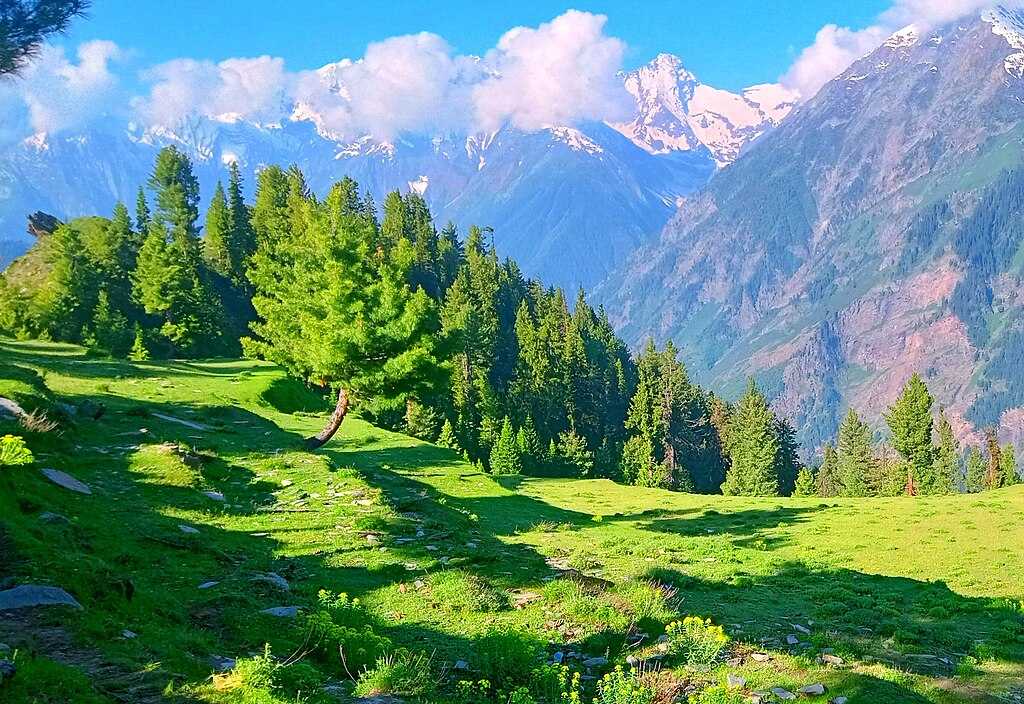
Escape to the Hidden Haven of Barot Valley Read More »

Hamta in near manali image

Best Hidden places near Kullu Manali

Kullu-Manali is a popular destination in Himachal Pradesh, known for its picturesque landscapes and vibrant culture. While there are many well-known attractions, but it also boasts several hidden gems that offer a more serene and unique experience. Here are some lesser-known spots worth exploring: Table of Contents 1. Bijli Mahadev: Bijli Mahadev is not a new trek in our country. It is, in fact, one of the most popular and oldest treks. It is a trek that takes you to the Shiva temple located on Mathan Hill in Kullu. The popular route to Bijli Mahadev starts from Chansari village and is a short 3 km walk on a well established trail to the top. The whole trek can be completed in half a day. Bijli Mahadev is a unique blend of natural beauty, religious significance, and adventure. The trek to the temple and the experience of witnessing the lightning phenomenon associated with the Shiva Linga make it a memorable destination for both spiritual seekers and nature enthusiasts. 2. Kheer Ganga: Kheerganga Trek is one of attractions. The trek is 12 km long and the terrain remains a modest incline and declines all the way to the top, although in some sections it is slightly steeper. Trek can be done in a 1-2days time period. It’s a pleasant trek on a narrow trail that goes along the Parvati River and goes through numerous waterfalls and remote villages. The trek culminates at Kheerganga, which is famous for its natural hot springs. The hot springs are situated amidst the stunning landscape and offer a relaxing and rejuvenating experience after the trek. 3. Malana Village: Malana Village is located in the Parvati Valley of Himachal Pradesh. It is nestled at an altitude of 3000 m above the sea level. Malana is an unusual village guarded by the pines away from the mainstream. This Village is a unique and intriguing destination located in the Parvati Valley of Himachal Pradesh, India. Known for its distinct culture, traditional lifestyle, and beautiful surroundings, Malana offers a fascinating experience for those willing to explore beyond the usual tourist spots. Malana is famous for its relative isolation from the outside world, which has helped preserve its unique cultural practices and traditions. 4. Kais Dhar: Kaisdhar rest house was built by Britishers during 1920-21.An immensely beautiful place, with grassy meadows and densely forested mountains. It is a part of trekking route and is not connected through road. Kaisdhar is just the perfect place to spend some leisurely time in the lap of nature. The place provides a splendid panoramic view of the nearby valley and village, making it a perfect relaxation point. 5. Soyal (Soil) Village: Soyal Village is situated amidst lush green hills and offers stunning panoramic views of the surrounding valleys and mountains. The natural beauty of the area makes it an ideal spot for relaxation and nature photography. This is a popular trail for backpacking, birding, and camping, but you can still enjoy some solitude during quieter times of day. The best times to visit this trail are March through October. 6. Serolsar Lake hike: Serolsar Lake, also known as Solsar Lake, is a pristine high-altitude lake located in the Kullu district of Himachal Pradesh, India. It’s a hidden gem that offers stunning natural beauty and a tranquil setting. Lake is nestled amidst lush green meadows and surrounded by snow-capped peaks. The lake’s crystal-clear waters reflect the surrounding landscape, creating a picturesque and serene environment. Seolsar Lake offers a rewarding experience for those willing to embark on the trek, combining natural beauty with a sense of adventure and spiritual tranquility. 7. Raghupur Fort: Raghupur Fort is a historic place which is believed to be built by Mandi rulers, to protect themselves from the invasion. The trek to Raghupur Fort is a 3-km climb from Jalori Pass, through oak and rhododendron forests. Ragupur Fort provides a fascinating glimpse into the past and is a rewarding destination for those interested in history, architecture, and trekking. Its relatively off-the-beaten-path location makes it a unique spot for adventurous travelers. 8. Chehni Kothi : Chehni Kothi is an old traditional Kathi kuni architecture style fortified tower with a temple inside, located in Chehni village, Banjar, Himachal Pradesh. At a distance of 60 km from Kullu, 7 km from Banjar and 66 km from Mandi, Chehni Kothi is situated at Chehni village of Banjar valley in Kullu Manali. Chehni is also famous for its twin tower temples. 9. Chhoie Waterfall: Chhoie Waterfall is 1.9-km out-and-back trail near Banjar, Himachal Pradesh. Generally considered a moderately challenging route. This is a popular trail for birding, hiking, and walking, but you can still enjoy some solitude during quieter times of day. The trail is open year-round and is beautiful to visit anytime. 10. Muralidhar Temple Thawa Naggar Muralidhar Temple thawa, located in Naggar, Himachal Pradesh, is a fascinating site with rich historical and architectural significance. This Temple is an ancient Hindu temple dedicated to Lord Krishna, specifically in his Muralidhar (flute-playing) form. It dates back to the 14th century and showcases traditional Himachali temple architecture. The temple features intricate wooden carvings and traditional shikhara (tower) architecture. The carvings depict various deities and mythological scenes, reflecting the artistic style of the time. The wooden structure is particularly notable for its craftsmanship, which is characteristic of the temples in the Kullu Valley. If you’re exploring Naggar, the Muralidhar Temple is definitely worth a visit for its historical value, architectural beauty, and serene surroundings. Best Destination Packages Recent Adventure Tour Best Motor Bike Tour

Best Hidden places near Kullu Manali Read More »

Kias Dhar image

Kais Dhar: Unexplored Hill Station in Himachal for Nature & Peace Lovers

Kais Dhar is a relatively lesser-known destination near Kullu-Manali, making it a hidden gem for those seeking a peaceful retreat away from the usual tourist crowds. Kais Dhar is an amazing location nearby Kullu in the Mahraja valley region. Spectacular meadows and lush green forests can be seen over here. Table of Contents Location: Distance from Manali: Approximately 80-90 km, depending on the route you take. Elevation: Around 2,500 meters (8,200 feet) above sea level. Historical Significance: Kaisdhar rest house was built by Britishers during 1920-21.An immensely beautiful place, with grassy meadows and densely forested mountains. It is a part of trekking route and is not connected through road; hence the natural beauty is still unchasteKaisdhar is just the perfect place to spend some leisurely time in the lap of nature. The place provides a splendid panoramic view of the nearby valley and village, making it a perfect relaxation point. Scenic Beauty: Kais Dhar offers breathtaking views of the surrounding Himalayan ranges and lush green valleys. The area is known for its serene environment, dense forests, and tranquil meadows.  Trekking to Kias Dhar: The region is popular among trekkers for its scenic trails. The trek to Kais Dhar is relatively less crowded compared to other treks in Himachal, providing a more solitary and peaceful hiking experience. Camping: Due to its picturesque landscapes and serene environment, Kais Dhar is a great spot for camping. The clear skies at night offer spectacular views of the stars. Flora and Fauna: The area is rich in flora and fauna, making it a good spot for nature enthusiasts. You can spot various species of birds and possibly even some wildlife in their natural habitat. Local Culture: Visiting Kais Dhar gives you a chance to experience the local Himachali culture and lifestyle. The nearby villages have traditional wooden houses and offer a glimpse into the rural life of the region. Best Time to Visit: The best time to visit is between May and October when the weather is pleasant and the trails are accessible. Winters can be quite cold and snowy. Why Visit Kais Dhar? Off-the-beaten-path experience: Unlike crowded destinations in Himachal, Kais Dhar offers solitude and serenity. Scenic trekking: The trek is moderate and full of natural beauty, from dense forests to sweeping mountain views. Breathtaking views: The panoramic views from the top are among the best you’ll find in Himachal Pradesh. Conclusion Kais Dhar is ideal for travelers looking to explore off-the-beaten-path destinations and enjoy the tranquility of the Himalayas without the hustle and bustle of more popular tourist spots. So, pack your bags, lace up your trekking boots, and set out on an adventure to discover one of Himachal’s hidden gems.  Get in touch with us today, and let’s start an unforgettable journey. Kais Dhar: FAQ: Where is Kais Dhar located? Kais Dhar is located in the Kullu Valley of Himachal Pradesh, India. It’s a ridge or plateau that offers stunning views of the surrounding mountains and valleys. What is the altitude of Kaisdhar? Kaisdhar sits on a ridge at 8,200 ft, with “Dhar” meaning ridge in the local language. Is it safe to camp overnight during the trek? Yes, it is generally safe to camp overnight. Kais Dhar has designated camping spots, and the region is relatively safe for trekkers. However, it’s important to bring appropriate camping equipment and stay cautious of weather changes. What is the best time to visit Kais Dhar? The best time to visit is between May and October when the weather is pleasant. Monsoons (July to September) can make the trails slippery, and winters (December to February) might bring heavy snow, making the trek more difficult. Best Destination Packages Recent Adventure Tour Best Motor Bike Tour

Kais Dhar: Unexplored Hill Station in Himachal for Nature & Peace Lovers Read More »

Ragupur Fort, located in Tirthan Valley

Raghupur Fort in Tirthan Valley- Highest Fort in Himalaya

Ragupur Fort, located in Tirthan Valley, Himachal Pradesh, is a lesser-known historical site that adds a unique cultural touch to the region’s natural beauty. Nestled in the picturesque Tirthan Valley, this fort is an intriguing spot for history enthusiasts and travelers looking for off-the-beaten-path and experiences unexplored places. Table of Contents Exploring Ragupur Fort: A Hidden Gem in the Heart of Himachal: Himachal Pradesh is a treasure trove of natural beauty, home to stunning landscapes, ancient temples, and charming villages. Yet, despite its growing popularity as a travel destination, it still holds some hidden gems off the beaten path. One such gem is Ragupur Fort, a tranquil and scenic spot nestled near Jalori Pass in the Kullu district. If you’re a traveler looking to explore the unexplored, Ragupur Fort offers an experience rich in history, adventure, and breathtaking views. Historical Significance: Ragupur Fort is a relic of the region’s rich history and has its own unique stories and architectural features. It reflects the historical and strategic importance of the area. Built by the rulers of the Kullu kingdom in the 17th century, the fort served as a military post. It was strategically located to guard the kingdom from potential invasions by neighboring territories. Scenic Location: The fort is situated amidst the stunning landscapes of Tirthan Valley, offering breathtaking views of the surrounding mountains and valleys.   Trekking to Ragupur Fort: Visiting the fort usually involves a trek through the beautiful landscapes of Tirthan Valley, providing an opportunity to experience the local flora and fauna. The trek to Ragupur Fort is moderate, making it accessible to both seasoned trekkers and beginners. The trail takes you through lush deodar forests, dotted with wildflowers, and offers glimpses of local wildlife such as pheasants and barking deer. As you ascend, the forest gradually gives way to wide-open meadows, where grazing cattle and mountain streams add to the picture-perfect scenery. One of the greatest joys of the trek is the changing landscape, from dense greenery to panoramic views of the snow-capped Dhauladhar and Pir Panjal ranges. Every step brings you closer to nature, far removed from the hustle and bustle of tourist-heavy areas. The Fort and the View from the Top: Raghupur Fort is a 360 Degree Sight, which gives you a view of more than 100 peaks.  On a clear day, you can see the Great Himalayan Range stretching far into the distance, a sight that will leave you breathless. How to Visit: The fort can be accessed from nearby villages in Tirthan Valley. Gushaini, a popular starting point for treks in the valley, is a good base from which to explore the fort. Best Time to Visit: The best time to explore Ragupur Fort is during the summer months (April to June) and post-monsoon (September to October). During these periods, the weather is pleasant, and the trails are clear. Monsoon months can make the trek slippery, while winters bring heavy snowfall, making the route challenging. Why Visit Ragupur Fort? Off-the-beaten-path experience: Unlike crowded destinations in Himachal, Ragupur Fort offers solitude and serenity. Scenic trekking: The trek is moderate and full of natural beauty, from dense forests to sweeping mountain views. Historical significance: Though in ruins, Ragupur Fort carries a sense of history and mystery. Breathtaking views: The panoramic views from the top are among the best you’ll find in Himachal Pradesh. Conclusion For those seeking to uncover the unexplored side of Himachal Pradesh, Ragupur Fort is a perfect destination. It offers a blend of history, adventure, and natural beauty in a serene setting far away from crowded tourist spots. Whether you’re an avid trekker or simply someone who appreciates the quieter corners of the world, a journey to Ragupur Fort will leave you with memories that last a lifetime. So, pack your bags, lace up your trekking boots, and set out on an adventure to discover one of Himachal’s hidden gems.  Get in touch with us today, and let’s start an unforgettable journey. Raghupur Fort: FAQ: 1. Where is Raghupur Fort located? Raghupur Fort is located near Jalori Pass in the Kullu district of Himachal Pradesh, India. It is situated at an altitude of about 3,540 meters (11,614 feet). 2. How do I reach Raghupur Fort? To reach Raghupur Fort, you need to trek from Jalori Pass, which is the nearest accessible point by road. Jalori Pass is around 60 kilometers from Kullu, and you can reach it via Shoja or Banjar. From Jalori Pass, the trek to Raghupur Fort takes about 2-3 hours. 3. How difficult is Raghupur Fort trek? The trek to Raghupur Fort is considered moderate. It’s suitable for both beginner and experienced trekkers. The trail is well-marked but can be challenging in some areas, especially during monsoon or winter. 4. What is the best time to visit Raghupur Fort? The best time to visit Raghupur Fort is from April to June (summer) and from September to October (post-monsoon). The weather during these months is pleasant, and the trails are accessible. Avoid visiting during the monsoon season (July-August) due to slippery paths and during winter (November-February) when heavy snowfall can block access. 5. What can I expect at the fort? Raghupur Fort is in ruins, with only some walls and the foundation remaining. However, the fort offers stunning panoramic views of the surrounding valleys and the snow-capped Himalayan peaks, making the trek worth the effort. 6. Are there any other places to visit nearby? Yes, you can extend your trek to Serolsar Lake, a beautiful high-altitude lake located around 5 kilometers from Jalori Pass. It’s another serene and scenic spot to explore in the region. 7. Can I camp near Raghupur Fort? Yes, you can camp near Raghupur Fort or along the trek. The meadows around the fort and near Serolsar Lake are great spots for setting up a tent and enjoying the peaceful natural surroundings. Best Destination Packages Recent Adventure Tour Best Motor Bike Tour

Raghupur Fort in Tirthan Valley- Highest Fort in Himalaya Read More »

Baralacha La offbeat Himachal road trip

Baralacha La Pass: A Hidden Gem in Himachal’s Unexplored

Bara-lacha la also known as Bara-lacha Pass, or Bārā Lācha La,(el. 4,850 m or 15,910 ft) is a high mountain pass in the Zanskar range of Northern-India, connecting Lahaul district in Himachal Pradesh to Leh district in Ladakh.  Tucked away in the remote reaches of Himachal Pradesh, Baralacha La Pass is one of India’s most awe-inspiring high-altitude destinations. Known as a gateway to the rugged landscapes of the Himalayas, this pass offers an unparalleled experience for those who seek adventure off the beaten path. While most travelers flock to popular destinations, Baralacha La remains a hidden gem, waiting to be discovered by those who crave the untouched beauty of nature. Table of Contents The Hidden Gem of Himachal Pradesh Despite its high altitude and challenging terrain, Baralacha La has remained relatively unexplored by mainstream tourists. Its remote location, coupled with the fact that it’s only accessible for a few months each year, makes it a secret treasure for the intrepid traveler. What sets Baralacha La apart is its raw, untouched beauty. Unlike more commercialized regions of Himachal Pradesh, the pass and its surrounding landscapes remain wild and pristine. Travelers who make the journey here are rewarded with views of towering peaks, vast glaciers, and deep valleys that seem to stretch into infinity. It’s a place where you can feel completely immersed in the majesty of the Himalayas, far from the hustle and bustle of tourist crowds. Unexplored Trails and Adventures For those seeking unexplored Himachal destinations, Baralacha La is a dream come true. The pass offers a range of adventures that cater to both thrill-seekers and nature lovers alike. Whether it’s riding a motorcycle along the winding roads of the Manali-Leh highway, embarking on a high-altitude trek, or simply enjoying the breathtaking scenery, Baralacha La has something for every type of explorer. One of the highlights of the region is Suraj Tal, a serene lake situated just below the pass. Often overshadowed by its more famous counterpart, Pangong Tso, Suraj Tal is a stunning yet lesser-known gem. Its crystal-clear waters, surrounded by snow-capped peaks, make for a perfect spot to pause and reflect on the natural beauty of the Himalayas. The region around Baralacha La also offers numerous trekking routes that remain largely unexplored. The Zanskar and Spiti valleys are nearby, and while these areas are becoming more popular among trekking enthusiasts, they still retain a sense of remoteness that makes the experience truly special. The Untouched Beauty of Baralacha La The journey to Baralacha La takes you through some of the most untouched and pristine landscapes in Himachal Pradesh. From the lush valleys of Lahaul to the stark, almost otherworldly terrain at the top of the pass, every turn reveals something new and unexpected. In the summer months, when the snow begins to melt, the area transforms into a rugged, rocky wonderland, with patches of green valleys contrasting against the white glaciers. The sense of isolation and serenity that you’ll find at Baralacha La is a rare find in today’s fast-paced world. This unexplored region feels like a place where time stands still, offering you the chance to disconnect from the modern world and reconnect with nature in its purest form. A Must-Visit for Offbeat Travelers If you’re someone who enjoys discovering hidden gems and venturing into unexplored territories, Baralacha La should be at the top of your travel list. While it may not be as famous as some of Himachal’s more popular destinations, it’s this very sense of secrecy that adds to its charm. Travelers looking to experience the uncharted side of Himachal will find Baralacha La a perfect escape. Whether it’s for a motorcycle trip along the Manali-Leh highway, a trek through the rugged terrain, or simply to bask in the untouched beauty of the Himalayas, this hidden gem offers an unforgettable adventure. Tips for Visiting Baralacha La Best Time to Visit: The pass is only accessible during the summer months, typically from June to September. During winter, heavy snowfall blocks the route, making it impassable. Plan for the Altitude: With its high altitude, travelers should prepare for the effects of reduced oxygen. It’s important to acclimatize properly, stay hydrated, and avoid strenuous activity when you first arrive. Carry Essentials: Due to the remote nature of Baralacha La, there are limited facilities in the area. Be sure to carry enough food, water, and warm clothing, as temperatures can drop unexpectedly. Ideal for Adventure Lovers: Whether you’re into off-roading, motorbiking, or trekking, Baralacha La offers an array of adventures for those willing to explore the unexplored. Conclusion Baralacha La is one of Himachal Pradesh’s best-kept secrets, an unexplored haven that offers a unique blend of adventure, natural beauty, and solitude. Far from the more commercialized tourist spots, this hidden gem is a must-visit for those who wish to experience the untouched splendor of the Himalayas. If you’re ready to step off the well-trodden path and explore the uncharted, Baralacha La Pass promises an unforgettable journey through one of the world’s most beautiful and remote regions. Get in touch with us today, and let’s start an unforgettable journey. Baralacha La Pass: Frequently Asked Questions (FAQ) When is the best time to visit Baralacha La Pass? The best time to visit Baralacha La Pass is between June and September. During these months, the snow melts, making the pass accessible. The weather is relatively stable, and the roads are open How do I get to Baralacha La Pass? The pass is accessible via the Manali-Leh highway, which can be reached from Manali or Leh. You can travel by car, motorcycle, or join an organized tour. The nearest major city is Manali, Himachal Pradesh. Is it safe to travel to Baralacha La Pass? Traveling to Baralacha La can be challenging due to its high altitude and rugged terrain. It’s important to be well-prepared, acclimatize to the altitude, and travel with experienced drivers or guides if you’re not familiar with high-altitude driving. Are there any accommodations near Baralacha La Pass? Accommodations near Baralacha La are limited due to its remote location. Most travelers stay in nearby towns

Baralacha La Pass: A Hidden Gem in Himachal’s Unexplored Read More »

Karsog Valley offbeat Himachal

Exploring the Enchanting Karsog Valley: Himachal Pradesh’s Hidden Gem

Karsog Valley, located in the Mandi district of Himachal Pradesh, is a picturesque paradise adorned with lush green meadows, dense forests, and terraced fields.  Nestled in the serene lap of the Himalayas, Karsog Valley is a treasure trove of natural beauty, cultural richness, and historical significance. Often overshadowed by its more famous neighbors, this valley in Himachal Pradesh offers a unique blend of tranquility and adventure, making it a must-visit destination for nature lovers, history enthusiasts, and those seeking an offbeat travel experience. Table of Contents Explore Ancient Temples Karsog Valley is home to numerous ancient temples, each with its own fascinating history and architectural style. The Mamleshwar Mahadev Temple, dedicated to Lord Shiva, is one of the most revered temples in the region. Dating back to the Pandava era, this temple is known for its intricate wood carvings and sacred deodar trees. Another notable temple is the Kamaksha Devi Temple, which is believed to be one of the 51 Shakti Peethas. The temple offers stunning views of the valley and is a spiritual haven for those seeking solace. Trek to the Shikari Devi Temple For adventure enthusiasts, a trek to the Shikari Devi Temple is a must. The trek offers breathtaking views of the surrounding peaks, dense forests, and the valley below. The temple is unique as it has no roof, and it is said that the Goddess Shikari protects the temple from harsh weather conditions. Visit the Tattapani Hot Springs A short drive from Karsog Valley will take you to the famous Tattapani hot springs. These natural sulfur springs are known for their therapeutic properties and are a popular spot for both locals and tourists. A dip in these warm waters is not only refreshing but also believed to cure various ailments. Enjoy Apple Orchards and Local Farms Karsog Valley is dotted with apple orchards and terraced farms, offering visitors a chance to experience the rural lifestyle of Himachal Pradesh. Take a leisurely walk through the orchards, and if you visit during the apple season, you might even get to taste the fresh, juicy apples straight from the trees. Immerse in Local Culture The people of Karsog are warm and welcoming, and their rich cultural heritage is evident in their festivals, music, and dance. If you visit during a local festival, you’ll get to witness the traditional Himachali folk dance and music, which are vibrant expressions of the region’s cultural identity. Conclusion Karsog Valley is a hidden gem that offers an authentic Himachali experience away from the tourist crowds. Whether you are seeking spiritual solace, an adventure in the mountains, or simply a peaceful retreat in nature, Karsog Valley has something for everyone. So pack your bags, leave the hustle and bustle behind, and embark on a journey to this enchanting valley where time stands still, and nature reigns supreme. Get in touch with us today, and let’s start an unforgettable journey. Frequently Asked Questions (FAQ) about Karsog Valley 1. Where is Karsog Valley located? Karsog Valley is located in the Mandi district of Himachal Pradesh, India. It’s nestled in the Himalayas at an elevation of about 1,404 meters (4,606 feet) above sea level. 2. How can I reach Karsog Valley? The nearest airport and railway station are in Shimla, about 100 kilometers away. From Shimla, you can hire a taxi or take a bus to reach Karsog. The valley is also accessible by road, with a scenic drive from cities like Mandi (125 km) and Shimla (100 km). 3. What is the best time to visit Karsog Valley? The best time to visit Karsog Valley is during the spring (March to June) and autumn (September to November) seasons, when the weather is pleasant, and the valley is in full bloom. Winters are also beautiful, but can be cold with possible snowfall. 4. What are the top attractions in Karsog Valley? Top attractions include the Mamleshwar Mahadev Temple, Kamaksha Devi Temple, Shikari Devi Temple trek, Tattapani hot springs, and the lush apple orchards. The valley is also known for its tranquil environment and rich cultural heritage. 5. Are there any trekking opportunities in Karsog Valley? Yes, Karsog Valley offers excellent trekking opportunities, with the trek to Shikari Devi Temple being the most popular. This trek provides breathtaking views of the surrounding mountains and forests. 6. What kind of accommodations are available in Karsog Valley? Karsog Valley offers a range of accommodations, including budget guesthouses, homestays, and small hotels. Staying in a local homestay is recommended for an authentic experience and to enjoy Himachali hospitality. 7. Is Karsog Valley suitable for family trips? Yes, Karsog Valley is a great destination for families. It offers a peaceful environment, scenic beauty, and activities like nature walks, temple visits, and exploring local culture, making it an ideal spot for a relaxing family vacation. 8. What kind of food can I expect in Karsog Valley? In Karsog Valley, you can enjoy traditional Himachali cuisine, which includes dishes like Dham (a festive meal), Siddu (a steamed bread), and local apple-based delicacies. Staying at a homestay will give you a chance to savor home-cooked meals. 9. Are there any festivals celebrated in Karsog Valley? Yes, Karsog Valley celebrates several local festivals, where you can experience traditional Himachali folk dances, music, and rituals. These festivals are a vibrant display of the region’s cultural heritage. 10. Is Karsog Valley safe for solo travelers? Karsog Valley is generally safe for solo travelers. The locals are friendly and welcoming, and the area is peaceful. However, it’s always advisable to take standard precautions, especially when trekking or exploring remote areas. Best Destination Packages Recent Adventure Tour Best Motor Bike Tour

Exploring the Enchanting Karsog Valley: Himachal Pradesh’s Hidden Gem Read More »

Kalpa village Kinnaur Himachal

Exploring Kalpa: The Timeless Village of the Himalayas

Kalpa is a hidden gem that promises tranquility, stunning vistas, and a deep dive into the rich cultural tapestry of Himachal Pradesh, India. This quaint village, offers a unique blend of natural beauty, spirituality, and adventure, making it a perfect destination for travelers seeking an offbeat experience. Table of Contents The Mesmerizing Landscape Kalpa is renowned for its breathtaking scenery. The village is surrounded by snow-capped peaks, dense pine forests, and lush apple orchards. The majestic Kinnaur Kailash range, with its towering 6,050-meter peak, dominates the skyline. The changing hues of the mountains at sunrise and sunset create a mesmerizing spectacle that captivates every visitor. Key Natural Attractions: Roghi Village: A short trek from Kalpa, Roghi is known for its traditional Kinnauri houses and vibrant culture. The village offers a glimpse into the daily life of the locals. Chakka Meadows: Ideal for trekking enthusiasts, a hike to Chakka Meadows rewards with lush greenery and breathtaking views of the surrounding peaks. Cultural and Spiritual Significance Kalpa is steeped in mythology and local folklore. The village is believed to be the winter abode of Lord Shiva, and the locals’ deep-rooted spirituality is evident in the numerous temples and monasteries scattered around. Notable Religious Sites: Kinnaur Kailash Shivling: A revered pilgrimage site, this naturally formed rock pillar is considered a manifestation of Lord Shiva. The trek to the Shivling is challenging but spiritually fulfilling. Hu-Bu-Lan-Kar Monastery: This ancient Buddhist monastery, established in the 11th century, reflects the region’s Tibetan influence. The monastery is a serene place for meditation and offers insights into Buddhist practices. Local Culture and Festivals Kalpa’s culture is a vibrant mix of Hinduism and Buddhism, reflected in its festivals, rituals, and daily life. The locals, primarily of Kinnauri descent, are known for their hospitality and colorful attire. Key Cultural Highlights: Phulaich Festival: Celebrated in September, this flower festival marks the harvest season. The locals dress in traditional attire, perform folk dances, and offer the first produce to the deities. Losar Festival: The Tibetan New Year, celebrated with much fervor, involves intricate rituals, feasts, and cultural performances. Adventure and Outdoor Activities For adventure seekers, Kalpa offers numerous trekking and hiking opportunities. The rugged terrain, pristine environment, and clear skies make it a haven for outdoor enthusiasts. Popular Activities: Trekking: Trails like the one to Kinnaur Kailash or the Chakka Meadows cater to both novice and experienced trekkers. Camping: The picturesque landscapes provide perfect camping spots, where one can enjoy star-gazing and the tranquility of nature. Best Time to Visit: Summer (April to June): Pleasant weather and blooming orchards. Autumn (September to November): Clear skies and vibrant festivals. Winter (December to February): Snow-clad landscapes, ideal for snow lovers (but some routes may be inaccessible due to heavy snowfall). Conclusion Kalpa is more than just a destination; it’s an experience that stays with you long after you’ve left. Its pristine natural beauty, rich cultural heritage, and warm hospitality make it a must-visit for anyone looking to escape the hustle and bustle of city life. Whether you’re a nature lover, a spiritual seeker, or an adventure enthusiast, Kalpa has something to offer for everyone. Pack your bags and set out to discover the timeless charm of this Himalayan village.  Get in touch with us today, and let’s start an unforgettable journey. Where is Kalpa located? Kalpa is located in the Kinnaur district of Himachal Pradesh, India, at an altitude of 2,960 meters (9,711 feet) above sea level in the Himalayan range. How do I get to Kalpa? By Air: The nearest airport is in Shimla, about 260 km from Kalpa. From Shimla, you can hire a taxi or take a bus to reach Kalpa. By Train: The closest railway station is in Shimla. From there, continue by road to Kalpa. By Road: Kalpa is well-connected by road, with regular buses and taxis available from Shimla and other major towns in Himachal Pradesh. Do I need a permit to visit Kalpa? Indian tourists do not need a permit to visit Kalpa. However, foreign tourists require an Inner Line Permit (ILP) to visit Kinnaur district, which can be obtained from Shimla, Reckong Peo, or other designated offices. What types of accommodations are available in Kalpa? Kalpa offers a range of accommodations, from budget guesthouses to mid-range hotels and homestays, providing an authentic local experience. Best Destination Packages Recent Adventure Tour Best Motor Bike Tour

Exploring Kalpa: The Timeless Village of the Himalayas Read More »

Sainj Valley hidden place in Himachal

Shangarh: A Hidden Paradise in Sainj Valley, Kullu

Shangarh is a picturesque hamlet that promises an escape into nature’s embrace. Away from the bustling crowds of more famous Himachali destinations, Shangarh offers unspoiled beauty, tranquility, and an authentic Himachali experience. This blog delves into the allure of Shangarh and why it should be on your travel itinerary. Table of Contents The Unspoiled Beauty of Shangarh Shangarh is characterized by its lush meadows, dense forests, and the pristine Sainj River that flows nearby. The village is surrounded by pine forests and offers panoramic views of the snow-capped Himalayan peaks. The heart of Shangarh is its expansive meadow, locally known as ‘Shangarh Thatch,’ a vast green expanse perfect for picnics, nature walks, and simply soaking in the breathtaking scenery. Exploring Shangarh Thatch The Shangarh Thatch is a major highlight of the village, a large, open meadow that transforms with the seasons. In spring and summer, it is carpeted with vibrant wildflowers, while in winter, it becomes a serene snow-covered landscape. The meadow is not just a feast for the eyes but also a cultural hub, often hosting local fairs and festivals. Activities in Shangarh Nature Walks and Treks: The area around Shangarh is perfect for trekking and nature walks. There are several trails that lead you through pine forests, across streams, and up to vantage points offering stunning views of the valley. Visit to the Great Himalayan National Park: Shangarh serves as a gateway to the Great Himalayan National Park, a UNESCO World Heritage site. The park is home to diverse flora and fauna, including some rare and endangered species. Guided treks into the park offer an opportunity to explore its rich biodiversity. Cultural Immersion: The village’s wooden temples, including the Shangchul Mahadev Temple, are worth visiting. These temples are built in traditional Himachali style and provide insights into the local culture and religious practices. Bird Watching and Photography: The serene environment and abundant natural beauty make Shangarh a paradise for bird watchers and photographers. The clear skies, lush landscapes, and vibrant local life provide endless opportunities for capturing stunning images. The Spiritual and Cultural Essence The local population of Shangarh is predominantly Hindu, and the village is steeped in local legends and folklore. The Shangchul Mahadev Temple is a focal point for villagers, who often gather for communal prayers and festivals. This temple is not only a place of worship but also a testament to the region’s traditional wooden architecture. Conclusion Shangarh is a hidden paradise in the Sainj Valley that offers a perfect blend of natural beauty, adventure, and cultural richness. It is an ideal destination for those seeking peace, solitude, and an authentic Himachali experience. Whether you are trekking through lush forests, exploring the vibrant local culture, or simply relaxing in the serene meadows, Shangarh promises a memorable and rejuvenating escape. Pack your bags and discover the unexplored charm of Shangarh, where every moment is a step closer to nature. Get in touch with us today, and let’s start an unforgettable journey. Where is Shangarh located? Shangarh is located in the Sainj Valley, within the Kullu district of Himachal Pradesh, India. It is part of the Great Himalayan National Park. How do I reach Shangarh? The nearest major town is Kullu, about 45 kilometers away. You can hire a taxi or take a local bus from Kullu to Sainj Valley. The nearest airport is Bhuntar Airport (60 km away), and the closest railway station is in Joginder Nagar (130 km away). What is the best time to visit Shangarh? The best time to visit Shangarh is from April to June and September to November when the weather is pleasant and the natural beauty is at its peak. What activities can I do in Shangarh? In Shangarh, you can enjoy nature walks, trekking, bird watching, and photography. You can also visit the Great Himalayan National Park, explore local temples, and immerse yourself in the local culture. Are there any accommodation options in Shangarh? Yes, Shangarh offers accommodation in the form of homestays and guesthouses. Staying in a local homestay provides an authentic experience of Himachali hospitality and cuisine. Is Shangarh suitable for a family trip? Yes, Shangarh is suitable for a family trip, offering activities for all ages, such as picnics in the meadows, nature walks, and exploring local culture and temples. Are there any local festivals or events in Shangarh? Shangarh hosts local fairs and festivals, often centered around the Shangchul Mahadev Temple. These events provide a glimpse into the local customs and traditions. Is Shangarh a safe place to visit? Shangarh is generally a safe place to visit. However, it is always recommended to take standard travel precautions, respect local customs, and be mindful of the natural environment. What kind of food can I expect in Shangarh? You can expect traditional Himachali cuisine, including dishes like Siddu (steamed bread) and Chana Madra (chickpea curry). Homestays often provide home-cooked meals made from local ingredients. Best Destination Packages Recent Adventure Tour Best Motor Bike Tour

Shangarh: A Hidden Paradise in Sainj Valley, Kullu Read More »

Chandra Taal Lake: Discovering the Hidden Gem

Amidst the rugged terrains and towering peaks of the Himalayas lies a pristine jewel waiting to be explored – Chandra Taal Lake. Tucked away in the remote corners of Himachal Pradesh, this high-altitude lake is a haven for nature enthusiasts, adventure seekers, and anyone seeking solace in the lap of untouched beauty. Join me on a virtual journey as we unravel the secrets of this unexplored gem. Table of Contents Unveiling Chandra Taal: Chandra Taal, which translates to “Moon Lake,” derives its name from its crescent shape. Situated at an altitude of 4,300 meters above sea level, this stunning lake is surrounded by barren mountains, snow-capped peaks, and vast meadows, offering a surreal panorama that captivates the soul. Its crystal-clear waters reflect the azure sky, creating a mirror-like illusion that enchants visitors from afar. Untamed Beauty and Serenity: What sets Chandra Taal apart is its raw, unspoiled beauty and untouched wilderness. Unlike its more popular counterparts, this lake remains relatively secluded, preserving its serenity and pristine charm. The tranquil ambiance, interrupted only by the gentle rustle of the wind and occasional bird songs, provides a refuge from the chaos of modern life. Adventure Beckons: For the adventurous souls, Chandra Taal offers a myriad of activities to indulge in. Trekking enthusiasts can embark on the scenic trek from Batal, traversing rugged terrains and crossing high mountain passes to reach the lake. The journey rewards them with breathtaking vistas of the surrounding Himalayan peaks and an unparalleled sense of accomplishment. Camping by the Lake: Immerse yourself in the wilderness by camping by the shores of Chandra Taal. Spend your nights under the star-studded sky, lulled to sleep by the gentle lapping of the lake’s waters against the shore. As the sun sets behind the mountains, painting the sky in hues of orange and pink, experience a profound sense of connection with nature that rejuvenates the spirit. Photographer’s Paradise: For photography enthusiasts, Chandra Taal presents endless opportunities to capture the beauty of the Himalayas in its purest form. Whether it’s the play of light and shadow on the rugged terrain, the vibrant hues of alpine flowers dotting the landscape, or the reflection of snow-clad peaks in the tranquil waters, every frame is a masterpiece waiting to be captured. Preserving the Wilderness: As we revel in the splendor of Chandra Taal, it’s essential to tread lightly and respect the fragile ecosystem of this pristine habitat. Let us pledge to leave no trace behind, preserving the beauty of this unexplored paradise for generations to come. Conclusion: Chandra Taal Lake stands as a testament to the raw, untamed beauty of the Himalayas, offering a sanctuary for those who seek solace in nature’s embrace. As we bid farewell to this hidden gem, let us carry with us memories of its serene waters, towering peaks, and boundless wilderness, inspiring us to continue exploring and protecting the treasures of our planet. Get in touch with us today, and let’s start an unforgettable journey. How do I reach Chandra Taal Lake? Chandra Taal Lake is located in the Lahaul and Spiti district of Himachal Pradesh, India. The nearest major town is Manali. From Manali, you can either hire a taxi or take a bus to Batal, from where you can trek to the lake. The trek from Batal to Chandra Taal takes approximately 4-5 hours. When is the best time to visit Chandra Taal Lake? The best time to visit Chandra Taal Lake is during the summer months, from May to September, when the weather is pleasant and the roads are accessible. However, the lake remains frozen during the winter months, making it inaccessible. Are there any trekking routes to explore around Chandra Taal Lake? Yes, there are several trekking routes around Chandra Taal Lake that offer breathtaking views of the surrounding Himalayan landscape. Popular treks include the trek from Batal to Chandratal, as well as treks to nearby peaks and passes. Is it safe to visit Chandra Taal Lake during the monsoon season? The monsoon season brings heavy rainfall and the risk of landslides, making it potentially hazardous to visit Chandra Taal Lake during this time. It’s advisable to check weather conditions and road conditions before planning a trip during the monsoon season. Are there any medical facilities available near Chandra Taal Lake? Medical facilities are scarce near Chandra Taal Lake, so it’s crucial to carry any necessary medications and a first-aid kit. In case of emergencies, it may be necessary to trek back to Batal or seek assistance from nearby villages. Best Destination Packages Recent Adventure Tour Best Motor Bike Tour

Chandra Taal Lake: Discovering the Hidden Gem Read More »

Exploring the Enigmatic Beauty of Spiti Valley: A Gem of Unexplored Himachal

Nestled in the cradle of the majestic Himalayas lies a land of unparalleled beauty and mystique – Spiti Valley. Often overshadowed by its more famous counterpart, Ladakh, Spiti Valley remains a hidden gem waiting to be discovered by intrepid travelers. In this article, we embark on a journey to unravel the secrets of Spiti Valley, exploring its breathtaking landscapes, ancient monasteries, and vibrant culture. Table of Contents Discovering the Land of Lamas: Spiti Valley, which translates to “The Middle Land,” is aptly named for its location between India and Tibet. As we traverse through this rugged terrain, we are greeted by towering snow-capped peaks, pristine rivers, and vast expanses of barren desert-like landscapes. The raw beauty of Spiti Valley is a testament to nature’s grandeur, leaving travelers awe-struck at every turn. Delving into Spiritual Serenity: One of the most enchanting aspects of Spiti Valley is its rich spiritual heritage. Dotting the landscape are ancient monasteries, some dating back over a thousand years. Key Monastery, perched atop a hill overlooking the valley, exudes an aura of tranquility and spirituality. Visitors can immerse themselves in the serenity of these monastic abodes, partaking in Buddhist rituals and teachings, and gaining insight into the region’s profound spiritual traditions. Encounters with the Locals: The true essence of Spiti Valley lies in its people – resilient and hospitable, with a deep-rooted connection to their land. Traveling through remote villages, we are welcomed with warm smiles and genuine hospitality. Engaging with the locals offers a glimpse into their traditional way of life, characterized by farming, herding, and a profound reverence for nature. Whether sharing a cup of butter tea with a nomadic family or participating in a local festival, these encounters leave an indelible mark on the soul. Trekking Through Timeless Landscapes: For adventure enthusiasts, Spiti Valley offers a myriad of trekking opportunities amidst some of the most pristine and untouched landscapes on earth. From the high-altitude desert of the Spiti Valley to the verdant valleys of Pin and Parvati, each trek promises an unforgettable experience. Whether camping under a blanket of stars or crossing high mountain passes, every step taken in Spiti Valley is a journey of self-discovery and exploration. Preserving the Pristine: As we marvel at the beauty of Spiti Valley, it becomes imperative to reflect on the importance of responsible tourism and conservation. With its fragile ecosystem and delicate cultural heritage, Spiti Valley is in need of protection and preservation. By treading lightly, respecting local customs, and minimizing our environmental impact, we can ensure that future generations will have the opportunity to experience the magic of this untamed wilderness. Conclusion: In a world where every corner seems to have been explored and Instagrammed, Spiti Valley stands as a beacon of uncharted beauty and wonder. For those willing to venture off the beaten path, it offers a glimpse into a world untouched by time – a world where nature reigns supreme and the spirit finds solace amidst the grandeur of the Himalayas.  Get in touch with us today, and let’s start an unforgettable journey. Frequently Asked Questions When is the best time to visit Spiti Valley? The best time to visit Spiti Valley is from May to October when the weather is relatively mild, and the roads are open for travel. However, some prefer visiting during the winter months for a unique experience amidst the snow-covered landscapes. How do I reach Spiti Valley? Spiti Valley can be accessed by road via Manali or Shimla. The nearest airport is in Kullu, but it operates seasonally. Regular bus services are available from neighboring towns like Manali and Shimla. What types of accommodations are available in Spiti Valley? Accommodation options in Spiti Valley range from guesthouses and homestays to luxury resorts. Camping is also popular, offering travelers a chance to immerse themselves in the region’s natural beauty. What are the must-visit attractions in Spiti Valley? Some of the must-visit attractions in Spiti Valley include Key Monastery, Tabo Monastery, Dhankar Monastery, Pin Valley National Park, and Chandratal Lake. Each offers a unique cultural or natural experience. Is Spiti Valley safe for solo travelers? Spiti Valley is generally safe for solo travelers, but it’s advisable to exercise caution, especially when trekking or traveling to remote areas. It’s also recommended to inform someone about your travel plans and stay updated on local news and weather conditions. Best Destination Packages Recent Adventure Tour Best Motor Bike Tour

Exploring the Enigmatic Beauty of Spiti Valley: A Gem of Unexplored Himachal Read More »

Tirthan Valley: Nature's Sanctuary

Tirthan Valley: Nature’s Sanctuary

Tirthan Valley stands as a testament to nature’s unparalleled beauty and tranquility. Tucked away in the Kullu district of Himachal Pradesh, India, this pristine valley is a haven for nature lovers, adventure seekers, and weary souls in search of solace. Table of Contents A Symphony of Nature: As you step into Tirthan Valley, you are greeted by a symphony of sights and sounds that seem to be orchestrated by Mother Nature herself. The crystal-clear waters of the Tirthan River gurgle merrily as they meander through the valley, flanked by lush forests teeming with diverse flora and fauna. The air is crisp and invigorating, carrying with it the fragrance of pine trees and wildflowers. Adventure Beckons: For the adventurous souls, Tirthan Valley offers a plethora of outdoor activities to indulge in. Trekking enthusiasts can embark on scenic trails that lead to hidden waterfalls, alpine meadows, and ancient temples tucked away in the mountains. Fishing aficionados can try their luck at angling in the pristine waters of the Tirthan River, known for its abundant trout population. Camping under the starlit sky and bonfire nights add a touch of magic to the experience, making it unforgettable. Cultural Encounters: Beyond its natural splendor, Tirthan Valley is also steeped in rich cultural heritage. The valley is home to several indigenous communities, including the indigenous Gaddi tribe, known for their vibrant culture and traditional way of life. Interacting with the locals, savoring traditional cuisine, and witnessing age-old rituals offer a glimpse into the rich tapestry of Himachali culture. Sustainable Tourism: In recent years, Tirthan Valley has gained recognition for its efforts towards sustainable tourism. Conscious initiatives have been taken to preserve the valley’s fragile ecosystem and promote responsible travel practices. Visitors are encouraged to minimize their environmental footprint, support local communities, and engage in eco-friendly activities that contribute to the conservation of this pristine paradise. Plan Your Escape: Whether you seek adventure, tranquility, or simply a break from the hustle and bustle of city life, Tirthan Valley beckons with open arms. With its unspoiled landscapes, charming villages, and warm hospitality, it promises an experience that rejuvenates the mind, body, and soul. Conclusion: In a world dominated by concrete jungles and fast-paced living, Tirthan Valley stands as a refreshing oasis of natural beauty and serenity. As you wander through its verdant forests, listen to the whispering winds, and gaze upon its majestic peaks, you can’t help but feel a deep sense of gratitude for the wonders of the natural world. Tirthan Valley is not just a destination; it’s a journey of self-discovery, an invitation to connect with the essence of life itself.  Get in touch with us today, and let’s start an unforgettable journey. Frequently Asked Questions (FAQ) 1. Where is Tirthan Valley located? Tirthan Valley is situated in the Kullu district of Himachal Pradesh, India, nestled in the majestic Himalayas. 2. What are the popular attractions in Tirthan Valley? Some popular attractions in Tirthan Valley include the Great Himalayan National Park, Serloskar Lake, Jalori Pass, and the picturesque Tirthan River. 3. What activities can one enjoy in Tirthan Valley? Tirthan Valley offers a range of activities such as trekking, camping, angling, birdwatching, and exploring local villages and temples. Adventure enthusiasts can also indulge in river rafting and mountain biking. 4. When is the best time to visit Tirthan Valley The best time to visit Tirthan Valley is during the summer months from March to June and the autumn months from September to November when the weather is pleasant and conducive for outdoor activities. 5. How can I reach Tirthan Valley? The nearest airport to Tirthan Valley is Bhuntar Airport (Kullu-Manali Airport), located approximately 50 kilometers away. The nearest major railway station is Joginder Nagar Railway Station, which is around 160 kilometers from the valley. From these points, one can hire a taxi or take a bus to reach Tirthan Valley. 6. Is accommodation available in Tirthan Valley? Yes, Tirthan Valley offers a variety of accommodation options including guesthouses, homestays, campsites, and resorts catering to different budgets and preferences. For more detail contact us or call us at +91-8091170037 7. Is Tirthan Valley suitable for family vacations? Yes, Tirthan Valley is an popular destination for family vacations, offering a serene environment, opportunities for nature exploration, and various activities suitable for both adults and children. 8. Are there any trekking trails in Tirthan Valley? Yes, Tirthan Valley is surrounded by several trekking trails of varying difficulty levels, offering breathtaking views of the Himalayas, lush valleys, and cascading waterfalls. 9. Is Tirthan Valley safe for solo travelers? Tirthan Valley is generally considered safe for solo travelers, but it’s always advisable to take necessary precautions, especially when venturing into remote areas or engaging in outdoor activities. 10. What should I pack for a trip to Tirthan Valley? Essential items to pack for a trip to Tirthan Valley include warm clothing, trekking gear, comfortable shoes, sunscreen, insect repellent, and any personal medication. It’s also recommended to carry a reusable water bottle and snacks for the journey and outdoor excursions. Best Destination Packages Recent Adventure Tour Best Motor Bike Tour

Tirthan Valley: Nature’s Sanctuary Read More »

Janjehli Valley in Mandi

Exploring the Hidden Gem of Himachal Pradesh: Janjehli

Nestled amidst the majestic Himalayas, Janjehli is a hidden gem waiting to be discovered by adventure seekers and nature lovers alike. Tucked away in the Mandi district of Himachal Pradesh, this tranquil hill station boasts breathtaking landscapes, lush green valleys, and a serene ambiance that will leave you spellbound. Join us on a virtual journey as we explore the pristine beauty and unique experiences that Janjehli has to offer. Table of Contents Discovering Nature’s Bounty Janjehli is a paradise for nature enthusiasts, offering a plethora of outdoor activities amid its picturesque surroundings. The journey to Janjehli itself is a feast for the eyes, with winding roads that meander through dense forests and towering peaks. As you approach the hill station, you’ll be greeted by the sight of verdant valleys dotted with quaint villages, creating a postcard-perfect scene that’s straight out of a fairy tale. Trekking Adventures One of the highlights of visiting Janjehli is embarking on trekking expeditions that lead you through some of the most scenic trails in the region. The trek to Shikari Devi Temple is a must-do experience, offering stunning vistas of snow-capped peaks, cascading waterfalls, and vibrant meadows along the way. As you ascend to the temple perched atop the hill, you’ll feel a sense of serenity and spiritual connection that’s truly unmatched. Immersing in Local Culture Beyond its natural beauty, Janjehli also offers a glimpse into the rich cultural heritage of the Himalayan region. Take a stroll through the charming villages scattered across the landscape, where you can interact with friendly locals, sample delicious Himachali cuisine, and witness traditional rituals and festivities that have been preserved for generations. Don’t miss the opportunity to visit the ancient temples and monasteries that dot the area, each with its own fascinating history and architectural splendor. Outdoor Adventures For adrenaline junkies seeking adventure activities, Janjehli has plenty to offer. From camping under the starlit sky to thrilling outdoor activities like paragliding, mountain biking, and river rafting, there’s no shortage of excitement for thrill-seekers of all ages. Whether you’re an experienced adventurer or a novice looking to try something new, Janjehli provides the perfect playground to unleash your adventurous spirit and create memories that will last a lifetime. Serene Escapes After a day of exploration and adventure, unwind and relax in the tranquil surroundings of Janjehli. Whether you choose to stay in cozy guesthouses, homestays, or campsites nestled amidst nature, you’ll be treated to warm hospitality and unmatched comfort. Spend your evenings sitting by a bonfire, gazing at the starlit sky, and relishing the peace and tranquility that envelops this idyllic hill station. Conclusion In conclusion, Janjehli is a hidden paradise that beckons travelers with its untamed beauty, serene ambiance, and myriad adventures waiting to be experienced. Whether you’re seeking a spiritual retreat, an adrenaline-pumping adventure, or simply a peaceful escape from the chaos of city life, Janjehli offers the perfect respite amid the breathtaking landscapes of the Himalayas. So pack your bags, lace up your hiking boots, and get ready to embark on an unforgettable journey to this hidden gem of Himachal Pradesh. Get in touch with us today, and let’s start an unforgettable journey. Frequently Asked Questions (FAQ) About Janjehli Where is Janjehli located? Janjehli is situated in the Mandi district of the Indian state of Himachal Pradesh, nestled in the Himalayan mountains. What is the best time to visit Janjehli? The best time to visit Janjehli is during the summer months from April to June when the weather is pleasant and ideal for outdoor activities like trekking and camping. Avoid visiting during the monsoon season (July to September) due to heavy rainfall, and winter (November to February) can be extremely cold with chances of snowfall. What are the popular tourist attractions in Janjehli? Some of the popular tourist attractions in Janjehli include: Shikari Devi Temple Trekking trails offering stunning views of the Himalayas Chindi Village Serolsar Lake Karsog Valley How can I reach Janjehli? Janjehli is well-connected by road, and the nearest major town is Mandi, which is approximately 85 kilometers away. The nearest airport is Bhuntar Airport in Kullu, around 150 kilometers from Janjehli. From Mandi or nearby towns, you can hire taxis or use public transportation to reach Janjehli. What are the adventure activities available in Janjehli? Janjehli offers a range of adventure activities, including trekking, camping, birdwatching, paragliding, mountain biking, and river rafting (in nearby rivers). The trek to Shikari Devi Temple is a popular choice among visitors. Is Janjehli suitable for family vacations? Yes, Janjehli is suitable for family vacations, offering a serene and peaceful environment amidst nature. Families can enjoy activities like nature walks, picnics, and visiting nearby villages to experience the local culture. Are there accommodation options available in Janjehli? Yes, there are accommodation options available in Janjehli, including guesthouses, homestays, and campsites. These accommodations offer comfortable stays amidst the scenic beauty of the Himalayas. What should I pack for a trip to Janjehli? It is recommended to pack warm clothes, especially if visiting during the winter months, as temperatures can drop significantly. Additionally, pack trekking essentials like sturdy hiking boots, rain gear, sunscreen, insect repellent, and a first-aid kit. Is Janjehli safe for solo travelers? Janjehli is generally safe for solo travelers, but it’s always advisable to take necessary precautions, especially when trekking or exploring remote areas. It’s recommended to inform someone about your itinerary and to avoid venturing out alone at night. Best Destination Packages Recent Adventure Tour Best Motor Bike Tour
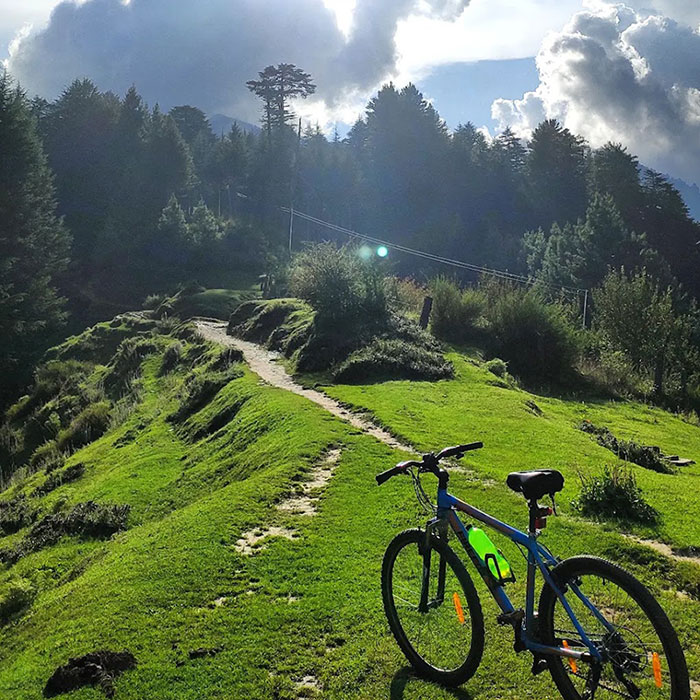
Exploring the Hidden Gem of Himachal Pradesh: Janjehli Read More »

Malana Village

Malana Village: Unveiling the Mystique of the Ancient Himalayan Hamlet

 Malana Village stands as a timeless testament to a bygone era. Renowned for its ancient democratic system and isolationist practices, this enigmatic hamlet has intrigued travelers from around the world. Join us as we unravel the mystique of Malana, delving into its history, culture, and the captivating allure that sets it apart. Join us on a virtual journey as we explore the pristine beauty and unique experiences that Malana has to offer. Table of Contents Historical Enigma: Discover the ancient history of Malana, said to be one of the oldest democracies in the world. Explore the remnants of its unique social structure and governance system, providing insights into a community that has preserved its traditions for centuries. Culture and Customs: Delve into the distinctive culture and customs of Malana, where traditions have been meticulously passed down through generations. Learn about their beliefs, rituals, and festivals that showcase the rich tapestry of this isolated Himalayan village. Sacred Temples: Explore the sacred temples of Malana, including the revered Jamadagni Temple and Rukmini Temple. Each structure narrates a story of devotion and spirituality, adding a spiritual dimension to the village’s mystique. Trekking Adventures: For the adventure-seekers, Malana offers mesmerizing trekking routes with panoramic views of the Himalayas. Traverse through lush forests, cascading waterfalls, and picturesque landscapes as you embark on unforgettable trekking adventures. Preservation Challenges: Understand the challenges faced by Malana in preserving its unique identity. From the impact of tourism to the struggle for cultural preservation, delve into the delicate balance between tradition and modernity. Conclusion: Malana Village, with its ancient charm and distinct way of life, invites you to step into a world where time seems to stand still. As we navigate through the cobblestone alleys and meet the warm-hearted locals, contact us to unlocking the secrets of this Himalayan gem. Malana, with its unparalleled beauty and cultural heritage, promises an experience unlike any other—a journey into the heart of mystique and tradition. 1. Where is Malana Village located? Malana Village is situated in the Parvati Valley of Himachal Pradesh, India. It is known for its remote location in the Himalayas. 2. How can I reach Malana Village? The nearest town to Malana is Manali. From Manali, one can reach Malana by hiring a taxi or trekking. The nearest airport is Bhuntar Airport, and the nearest railway station is Joginder Nagar 3. What makes Malana Village unique? Malana is renowned for its ancient democratic system, distinctive customs. The village has a unique social structure and is known for its isolationist practices. 4. What is the history of Malana Village? Malana is believed to have one of the oldest democracies in the world. The village has a rich history, and its unique social and governance system has been preserved for centuries 5. What are the customs and traditions of Malana? Malana has distinct customs and traditions that have been passed down through generations. The villagers follow their own set of rules and rituals, contributing to the cultural uniqueness of the community. 6. Are there any festivals celebrated in Malana? Yes, Malana celebrates various festivals that are an integral part of its cultural heritage. Some festivals include Fagli, Hidimba Devi Yatra, and Kanjari. 9. Are there trekking opportunities in Malana? Yes, Malana offers trekking opportunities with scenic routes providing breathtaking views of the Himalayas. Popular trekking destinations include Chandrakhani Pass and the trek to Malana from Kasol.  10. Can tourists visit Malana Village? Yes, tourists can visit Malana Village, but it’s essential to respect the local customs and traditions. Photography restrictions may apply in certain areas, and it’s advisable to hire a local guide for a more meaningful experience. For more information contact us. Best Destination Packages Recent Adventure Tour Best Motor Bike Tour
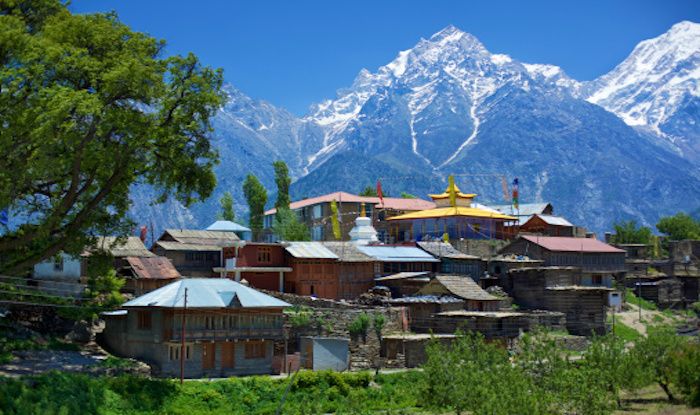
Malana Village: Unveiling the Mystique of the Ancient Himalayan Hamlet Read More »

Naggar Village – A Serene Mountain Village

Nestled in the heart of the majestic Himalayas, Naggar Village stands as a serene haven for those seeking tranquility and a connection with nature. Tucked away in the Kullu Valley of Himachal Pradesh, this charming mountain village is a hidden gem that captivates visitors with its breathtaking landscapes, rich cultural heritage, and warm hospitality. In this blog article, we’ll explore the enchanting beauty and unique offerings of Naggar Village. Table of Contents Picturesque Landscapes: The first thing that strikes visitors to Naggar is the mesmerizing scenery that surrounds the village. Surrounded by snow-capped peaks, dense pine forests, and the glistening Beas River, Naggar is a visual delight for nature enthusiasts and adventure seekers alike. The village offers ample opportunities for trekking, nature walks, and photography, with every step revealing a postcard-worthy view. Historical and Cultural Heritage: Naggar boasts a rich history that is evident in its ancient temples, traditional architecture, and cultural practices. The Naggar Castle, a historical marvel built in the 15th century, stands as a testament to the region’s royal past. The castle, now converted into a heritage hotel, provides a glimpse into the architectural grandeur of the bygone era. The village is also home to other ancient temples like the Tripura Sundari Temple and the Gauri Shankar Temple, each contributing to Naggar’s cultural tapestry. Local Art and Craft: The village is a hub of local art and craft, with skilled artisans creating intricate handwoven shawls, carpets, and wooden artifacts. Visitors can explore the Naggar Shawl Factory to witness the traditional handloom process and purchase authentic Himachali shawls as souvenirs. The vibrant colors and patterns of these handicrafts reflect the rich cultural heritage of the region. Galleries and Museums: Art enthusiasts will find solace in Naggar’s art galleries and museums. The Nicholas Roerich Art Gallery, dedicated to the famous Russian artist who made Naggar his home, showcases a stunning collection of his paintings inspired by the Himalayas. The Roerich Estate, with its well-maintained gardens and panoramic views, adds to the artistic allure of Naggar. Culinary Delights: Naggar offers a delectable taste of Himachali cuisine, with local eateries serving traditional dishes like Sidu, Dham, and Thenthuk. Visitors can savor these authentic flavors while enjoying the warm hospitality of the locals. The locally brewed apple and plum wines are also a must-try for those looking to experience the unique flavors of the region. Spiritual Retreat: For those seeking spiritual rejuvenation, Naggar provides a tranquil atmosphere. The peaceful ambiance, coupled with the sound of rustling leaves and distant river flows, makes it an ideal destination for meditation and self-reflection. The ancient temples and spiritual energy of the surroundings contribute to the serene environment, creating a perfect retreat for those seeking solace. Conclusion: Naggar Village, with its unparalleled beauty, historical significance, and cultural richness, offers a unique escape from the hustle and bustle of modern life. Whether you’re an adventure seeker, a culture enthusiast, or someone in search of inner peace, Naggar welcomes you with open arms to experience the magic of the mountains in all its glory. Visit Naggar with us and immerse yourself in the serenity that this charming village has to offer. Frequently Asked Question: 1. What is Naggar Village known for? Naggar Village is known for its breathtaking mountain landscapes, historical sites like the Naggar Castle, and its rich cultural heritage, including ancient temples and traditional art and craft. 2. How do I reach Naggar Village? Naggar is accessible by road from major cities like Manali. The nearest airport is Bhuntar Airport, and the nearest railway station is Joginder Nagar. Taxis and buses are available for the journey to Naggar. 3. What are the popular activities to do in Naggar? Popular activities in Naggar include trekking, nature walks, exploring historical sites like Naggar Castle, visiting art galleries and museums, and experiencing local culture through traditional craft and cuisine. 4. Is Naggar a good destination for a family vacation? Yes, Naggar is a great destination for a family vacation, offering a peaceful atmosphere, scenic beauty, and cultural experiences suitable for all age groups. 5. Are there hotels in Naggar Village? Yes, Naggar has a range of accommodation options, including hotels, guesthouses, and homestays. The Naggar Castle has been converted into a heritage hotel for a unique lodging experience. 6. What is the best time to visit Naggar? The best time to visit Naggar is during the summer months (May to June) when the weather is pleasant. Winter (December to February) is ideal for snow enthusiasts, while monsoon (July to September) brings lush greenery. Contact us to visit. 7. What are the must-visit historical sites in Naggar? Naggar Castle, Gauri Shankar Temple, and Tripura Sundari Temple are must-visit historical sites in Naggar. 8. Is photography allowed in the Nicholas Roerich Art Gallery? Yes, photography is usually allowed in the Nicholas Roerich Art Gallery. However, it’s recommended to check with the gallery staff for any specific rules. 9. What are the must-try dishes in Naggar? Some must-try dishes in Naggar include Sidu (local bread), Dham (traditional meal), and locally brewed apple and plum wines. 10. Are there trekking opportunities in and around Naggar? Yes, Naggar offers trekking opportunities with varying difficulty levels. Trekking to nearby villages or scenic viewpoints is a popular activity. Contact us to visit. Best Destination Packages Recent Adventure Tour Best Motor Bike Tour

Naggar Village – A Serene Mountain Village Read More »

A Spiritual Sojourn to Lightning Lord: Bijli Mahadev

Nestled in the picturesque landscapes of the Kullu Valley, Bijli Mahadev stands as a testament to ancient spirituality and the raw power of nature. Bijli Mahadev is one of the ancient temples in India and dedicated to Lord Shiva (Mahadev). This sacred abode dedicated to Lord Shiva beckons the devout and adventure seekers alike. Join us on a virtual journey as we explore the mystical allure of Bijli Mahadev. Table of Contents The Trek Begins: Embarking on the trek to Bijli Mahadev is more than a physical journey; it’s a spiritual odyssey through the heart of the Himalayas. The trek starts at a lower altitude, winding through lush green forests, and gradually ascends, offering breathtaking views of the surrounding valleys. As you ascend, the air becomes crisp, and the scent of pine envelopes you, heightening the sense of anticipation. The path is dotted with occasional encounters with local shepherds and wildlife, providing a glimpse into the harmonious coexistence of nature and human life. Encounter with the Divine: Upon reaching the temple premises, the sight of the ancient stone structure against the backdrop of snow-capped peaks is awe-inspiring. The spiritual aura is palpable as you step into the sanctum of Bijli Mahadev. The Shiva Lingam, believed to be shattered by lightning during thunderstorms, adds a unique dimension to the temple’s mystique. Witnessing the restoration ceremony, where the priest meticulously pieces the Lingam together, is a poignant reminder of the cyclical nature of destruction and creation. Panoramic Perspectives: The panoramic views from Bijli Mahadev are nothing short of spectacular. The temple provides a 360-degree vista of the Himalayan range, with peaks piercing the sky. As you stand in quiet contemplation, the whispering winds carry tales of ancient mysticism and divine intervention. Spiritual Festivities: Timing your visit during a festival, especially during Shivaratri, adds a layer of cultural richness to your experience. The rhythmic beats of traditional drums, the scent of incense, and the vibrant colors of religious ceremonies create an atmosphere of fervent devotion. The Journey Back: Descending from Bijli Mahadev, one can’t help but feel a sense of spiritual rejuvenation. The descent, though physically demanding, is a reflective journey, allowing you to absorb the serenity and spiritual energy the temple imparts. Conclusion: Bijli Mahadev is more than a temple; it’s a confluence of nature, spirituality, and adventure. The trek, the ancient rituals, and the breathtaking views make it a holistic experience for those seeking a rendezvous with divinity in the heart of the Himalayas. So, pack your bags, lace up your trekking shoes, and let Bijli Mahadev unveil its mystique to you. Frequently Asked Questions Q1: How do I reach Bijli Mahadev? The journey to Bijli Mahadev typically starts with a drive to Kullu. From Kullu, you can reach Chansari village, the base point for the trek. The trek to the temple is approximately 3-4 hours, offering a scenic trail through forests and meadows. Q2: Is the trek to Bijli Mahadev suitable for beginners? Yes, the trek is considered moderately challenging and is suitable for beginners with a reasonable level of fitness. However, it’s advisable to check local weather conditions and be prepared with proper trekking gear. Q3: What is the best time to visit Bijli Mahadev? The best time to visit is during the summer months (May to June) when the weather is pleasant and the trek is relatively easier. Avoid the winter months, as heavy snowfall may make the trek difficult. Q4: Are there any accommodation options near Bijli Mahadev? While there are no accommodations at the temple itself, there are options for staying in Kullu and nearby villages. Many choose to trek to Bijli Mahadev as a day trip. Q5: Is photography allowed at Bijli Mahadev? Yes, photography is generally allowed. However, it’s recommended to check with the local authorities and the temple staff for any specific guidelines or restrictions during your visit. Q6: Are there any local guides available for the trek? Yes, local guides are available at Chansari village, and hiring a guide can enhance your trekking experience by providing insights into the local culture and ensuring a safe journey. Contact us to explore this sacred place. Q7: Can I visit the temple during festivals? Yes, visiting during festivals like Shivaratri can be a rewarding experience, allowing you to witness traditional ceremonies and festivities. However, be prepared for increased crowds during these times. Q8: Is there an entry fee for Bijli Mahadev? As of my last knowledge update in January 2022, there was no official entry fee for Bijli Mahadev. However, it’s advisable to check for any changes in regulations or fees before planning your visit. Q9: What should I carry for the trek to Bijli Mahadev? Essentials include sturdy trekking shoes, weather-appropriate clothing, a water bottle, energy snacks, a hat, sunscreen, and a basic medical kit. Check the weather forecast before your trek and pack accordingly. Best Destination Packages Recent Adventure Tour Best Motor Bike Tour

A Spiritual Sojourn to Lightning Lord: Bijli Mahadev Read More »

Scroll to Top

Request for tour plan