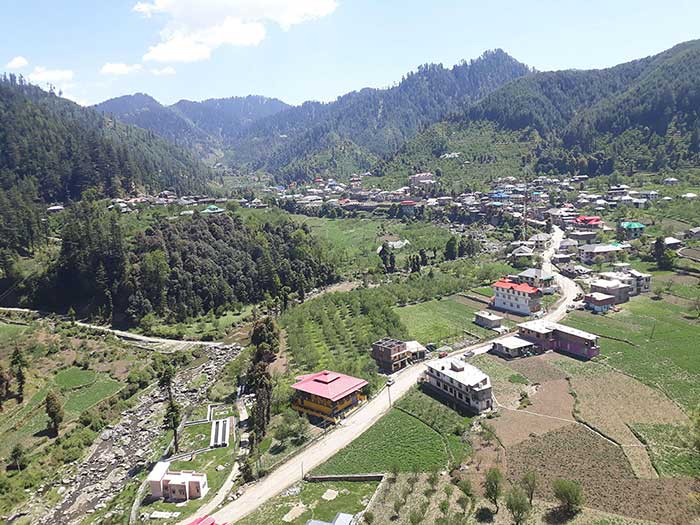

Best Hidden places near Kullu Manali
Kullu-Manali is a popular destination in Himachal Pradesh, known for its picturesque landscapes and vibrant culture. While there are many well-known attractions, but it also boasts several hidden gems that offer a more serene and unique experience. Here are some lesser-known spots worth exploring: Table of Contents 1. Bijli Mahadev: Bijli Mahadev is not a new trek in our country. It is, in fact, one of the most popular and oldest treks. It is a trek that takes you to the Shiva temple located on Mathan Hill in Kullu. The popular route to Bijli Mahadev starts from Chansari village and is a short 3 km walk on a well established trail to the top. The whole trek can be completed in half a day. Bijli Mahadev is a unique blend of natural beauty, religious significance, and adventure. The trek to the temple and the experience of witnessing the lightning phenomenon associated with the Shiva Linga make it a memorable destination for both spiritual seekers and nature enthusiasts. 2. Kheer Ganga: Kheerganga Trek is one of attractions. The trek is 12 km long and the terrain remains a modest incline and declines all the way to the top, although in some sections it is slightly steeper. Trek can be done in a 1-2days time period. It’s a pleasant trek on a narrow trail that goes along the Parvati River and goes through numerous waterfalls and remote villages. The trek culminates at Kheerganga, which is famous for its natural hot springs. The hot springs are situated amidst the stunning landscape and offer a relaxing and rejuvenating experience after the trek. 3. Malana Village: Malana Village is located in the Parvati Valley of Himachal Pradesh. It is nestled at an altitude of 3000 m above the sea level. Malana is an unusual village guarded by the pines away from the mainstream. This Village is a unique and intriguing destination located in the Parvati Valley of Himachal Pradesh, India. Known for its distinct culture, traditional lifestyle, and beautiful surroundings, Malana offers a fascinating experience for those willing to explore beyond the usual tourist spots. Malana is famous for its relative isolation from the outside world, which has helped preserve its unique cultural practices and traditions. 4. Kais Dhar: Kaisdhar rest house was built by Britishers during 1920-21.An immensely beautiful place, with grassy meadows and densely forested mountains. It is a part of trekking route and is not connected through road. Kaisdhar is just the perfect place to spend some leisurely time in the lap of nature. The place provides a splendid panoramic view of the nearby valley and village, making it a perfect relaxation point. 5. Soyal (Soil) Village: Soyal Village is situated amidst lush green hills and offers stunning panoramic views of the surrounding valleys and mountains. The natural beauty of the area makes it an ideal spot for relaxation and nature photography. This is a popular trail for backpacking, birding, and camping, but you can still enjoy some solitude during quieter times of day. The best times to visit this trail are March through October. 6. Serolsar Lake hike: Serolsar Lake, also known as Solsar Lake, is a pristine high-altitude lake located in the Kullu district of Himachal Pradesh, India. It’s a hidden gem that offers stunning natural beauty and a tranquil setting. Lake is nestled amidst lush green meadows and surrounded by snow-capped peaks. The lake’s crystal-clear waters reflect the surrounding landscape, creating a picturesque and serene environment. Seolsar Lake offers a rewarding experience for those willing to embark on the trek, combining natural beauty with a sense of adventure and spiritual tranquility. 7. Raghupur Fort: Raghupur Fort is a historic place which is believed to be built by Mandi rulers, to protect themselves from the invasion. The trek to Raghupur Fort is a 3-km climb from Jalori Pass, through oak and rhododendron forests. Ragupur Fort provides a fascinating glimpse into the past and is a rewarding destination for those interested in history, architecture, and trekking. Its relatively off-the-beaten-path location makes it a unique spot for adventurous travelers. 8. Chehni Kothi : Chehni Kothi is an old traditional Kathi kuni architecture style fortified tower with a temple inside, located in Chehni village, Banjar, Himachal Pradesh. At a distance of 60 km from Kullu, 7 km from Banjar and 66 km from Mandi, Chehni Kothi is situated at Chehni village of Banjar valley in Kullu Manali. Chehni is also famous for its twin tower temples. 9. Chhoie Waterfall: Chhoie Waterfall is 1.9-km out-and-back trail near Banjar, Himachal Pradesh. Generally considered a moderately challenging route. This is a popular trail for birding, hiking, and walking, but you can still enjoy some solitude during quieter times of day. The trail is open year-round and is beautiful to visit anytime. 10. Muralidhar Temple Thawa Naggar Muralidhar Temple thawa, located in Naggar, Himachal Pradesh, is a fascinating site with rich historical and architectural significance. This Temple is an ancient Hindu temple dedicated to Lord Krishna, specifically in his Muralidhar (flute-playing) form. It dates back to the 14th century and showcases traditional Himachali temple architecture. The temple features intricate wooden carvings and traditional shikhara (tower) architecture. The carvings depict various deities and mythological scenes, reflecting the artistic style of the time. The wooden structure is particularly notable for its craftsmanship, which is characteristic of the temples in the Kullu Valley. If you’re exploring Naggar, the Muralidhar Temple is definitely worth a visit for its historical value, architectural beauty, and serene surroundings. Best Destination Packages Recent Adventure Tour Best Motor Bike Tour
Best Hidden places near Kullu Manali Read More »