A Glimpse into History
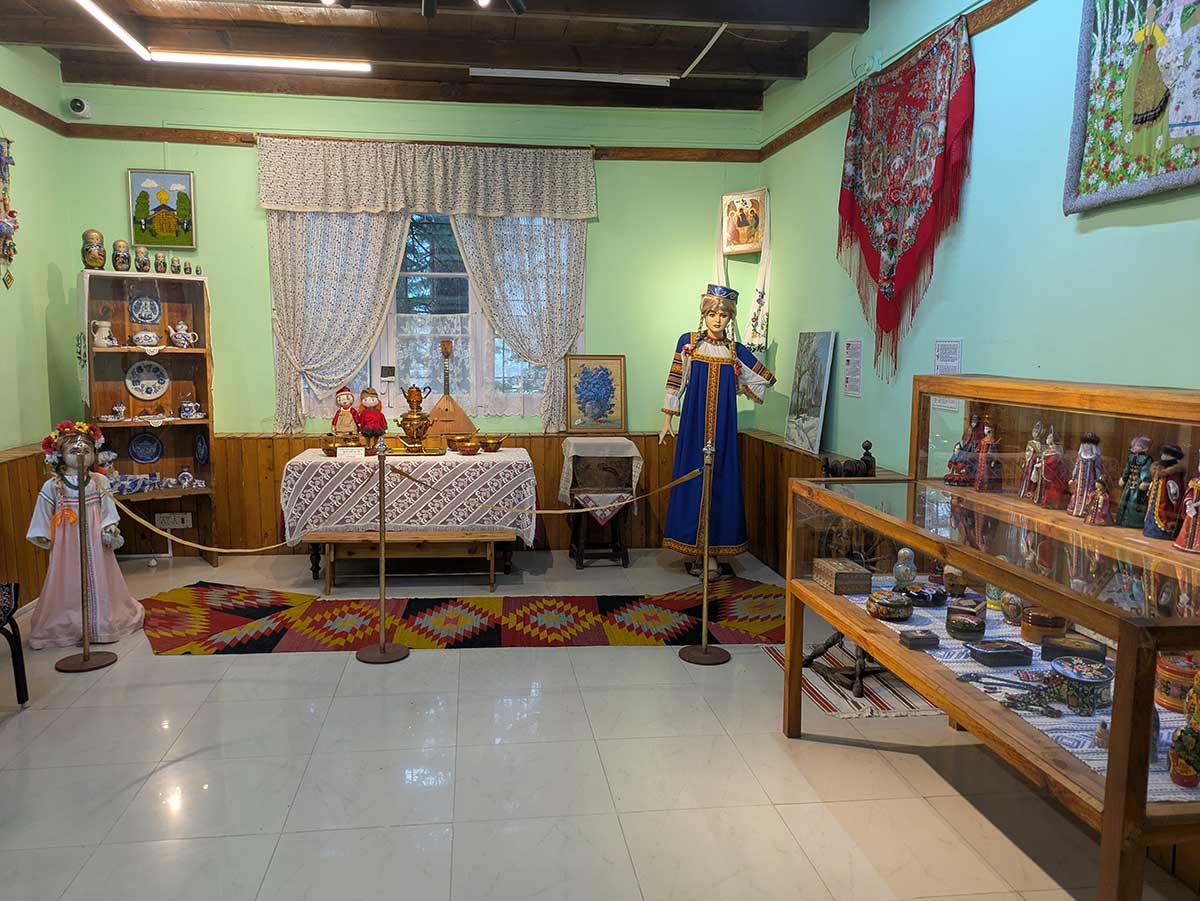
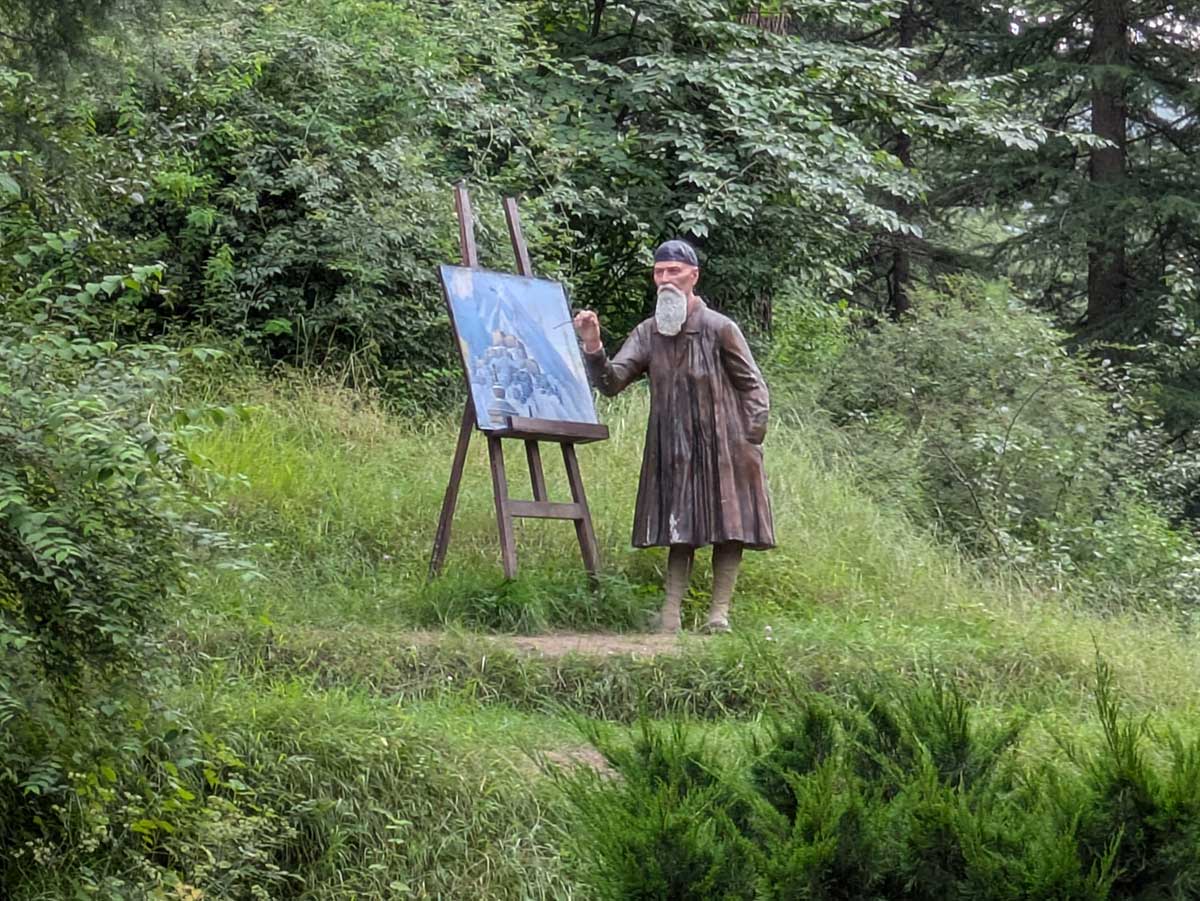
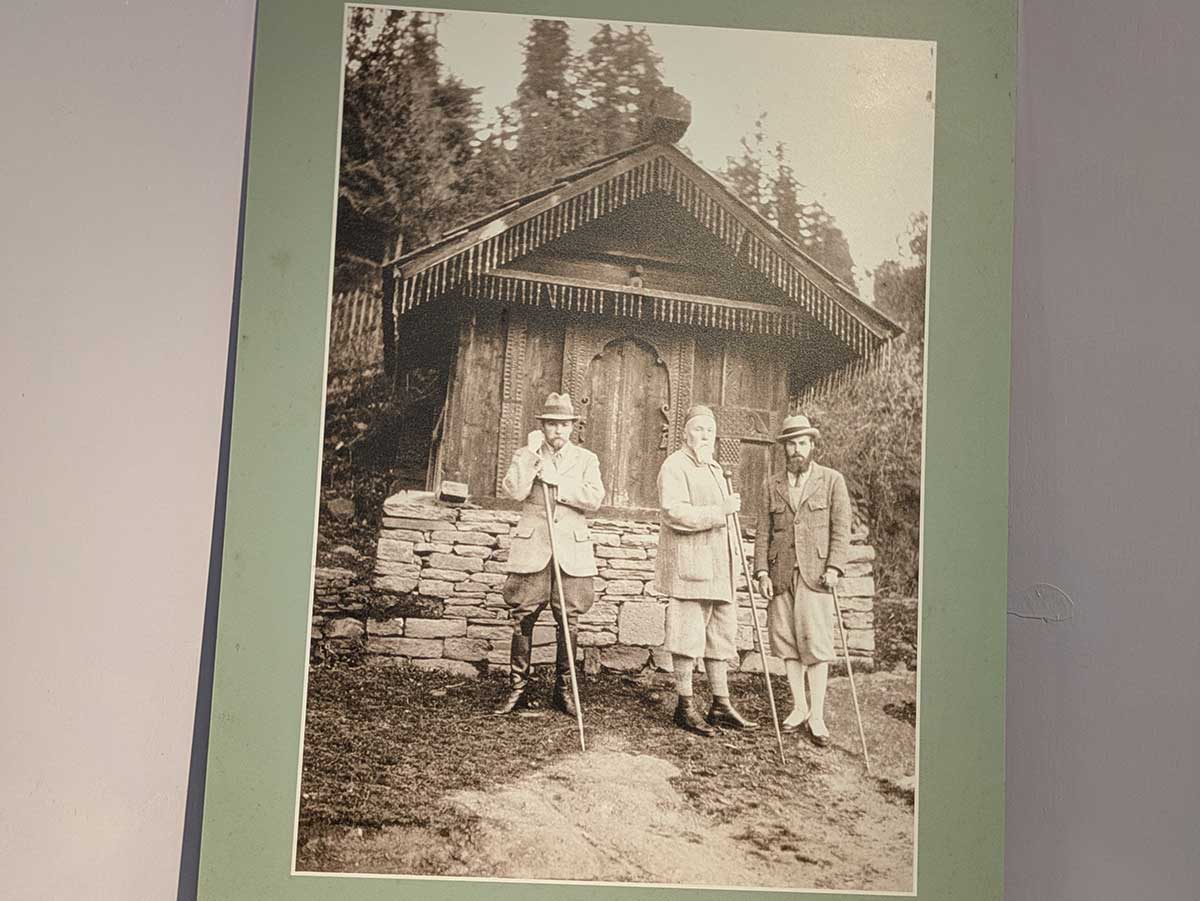
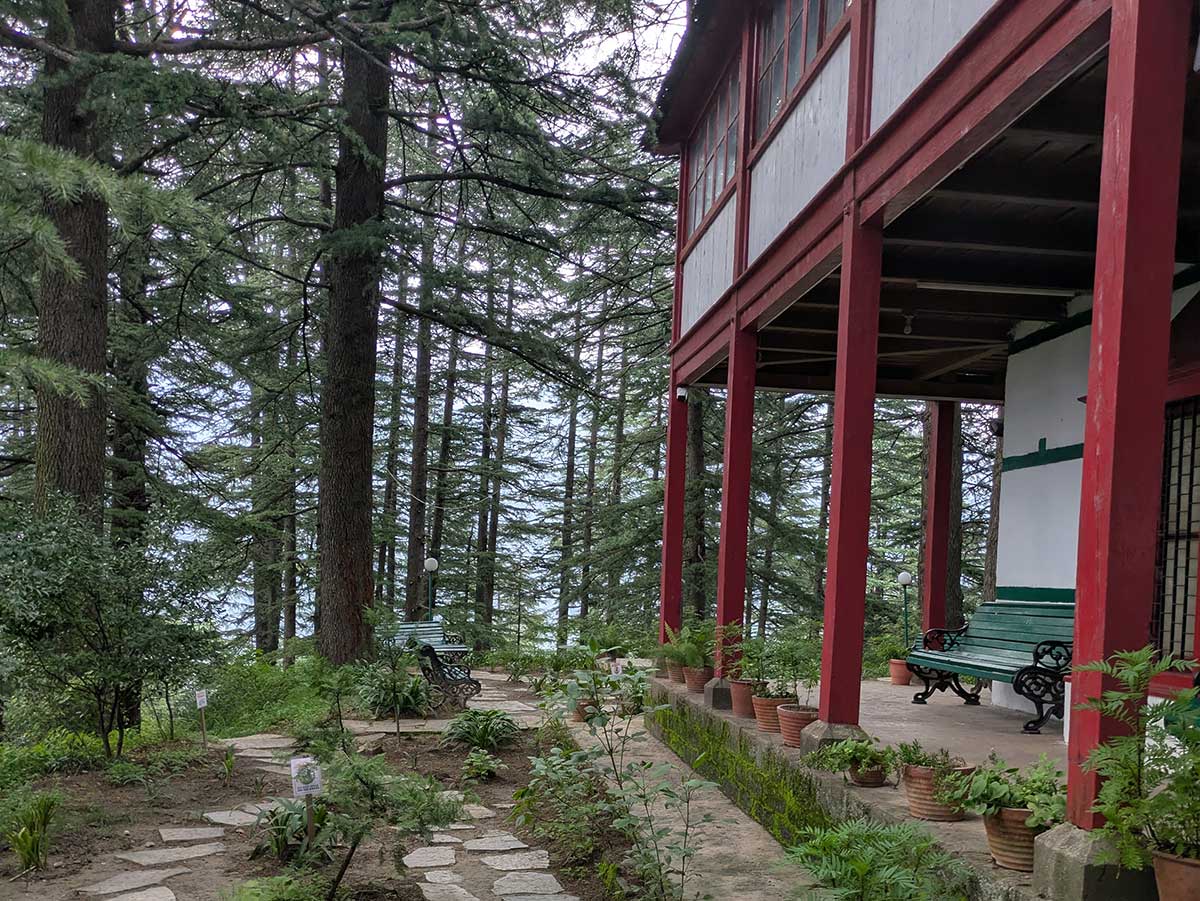
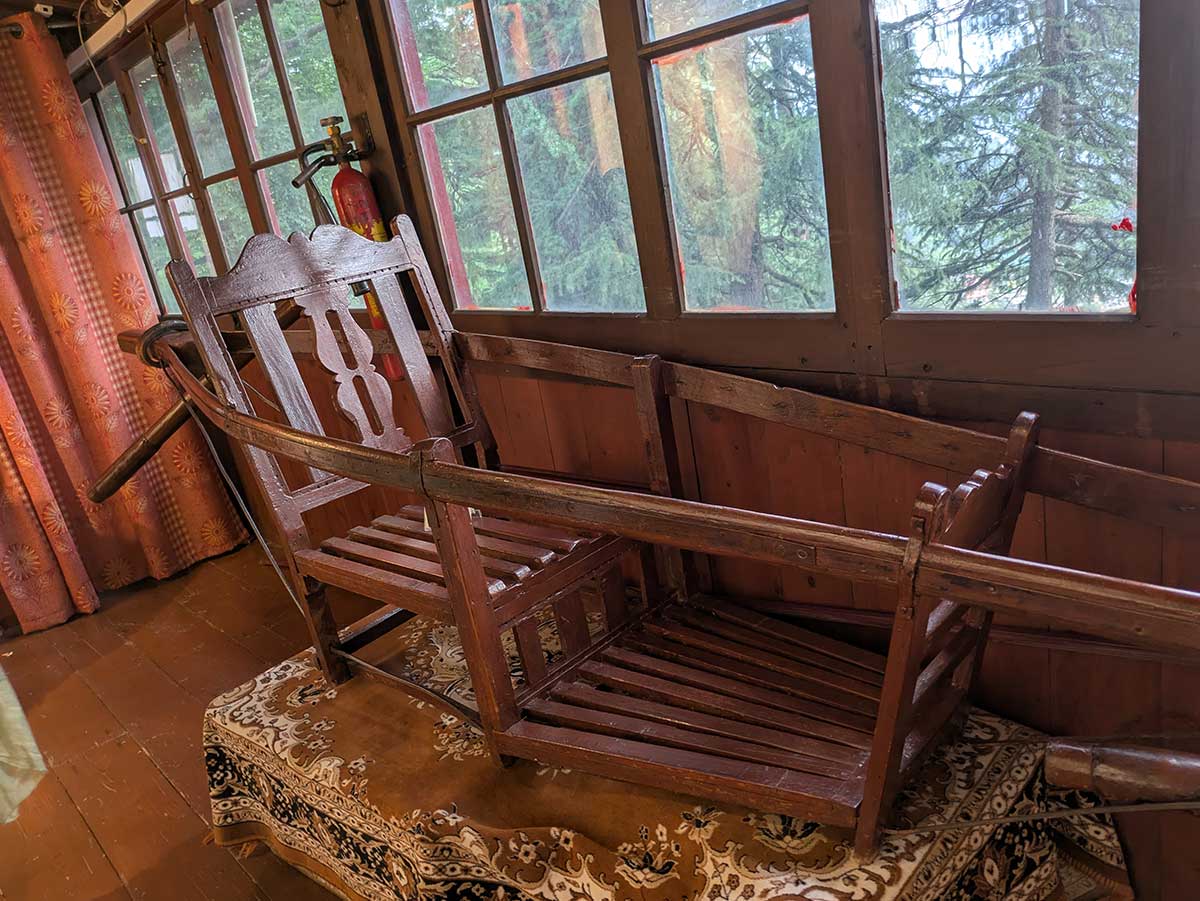
The gallery is housed in the former residence of Nicholas Roerich, who settled in Naggar in the early 20th century. Roerich was a renowned painter, writer, and philosopher whose works reflect the beauty of the Himalayas and the spiritual depth of Indian culture. His home has now been converted into a museum that preserves his paintings, personal belongings, and photographs, offering visitors a chance to step back in time.
Central Asian Expedition of Nicholas Roerich
The Central Asian expedition was one of the most important achievements in Nicholas Roerich’s life. The results of this expedition essentially influenced creative work of all members of the Roerichs family.
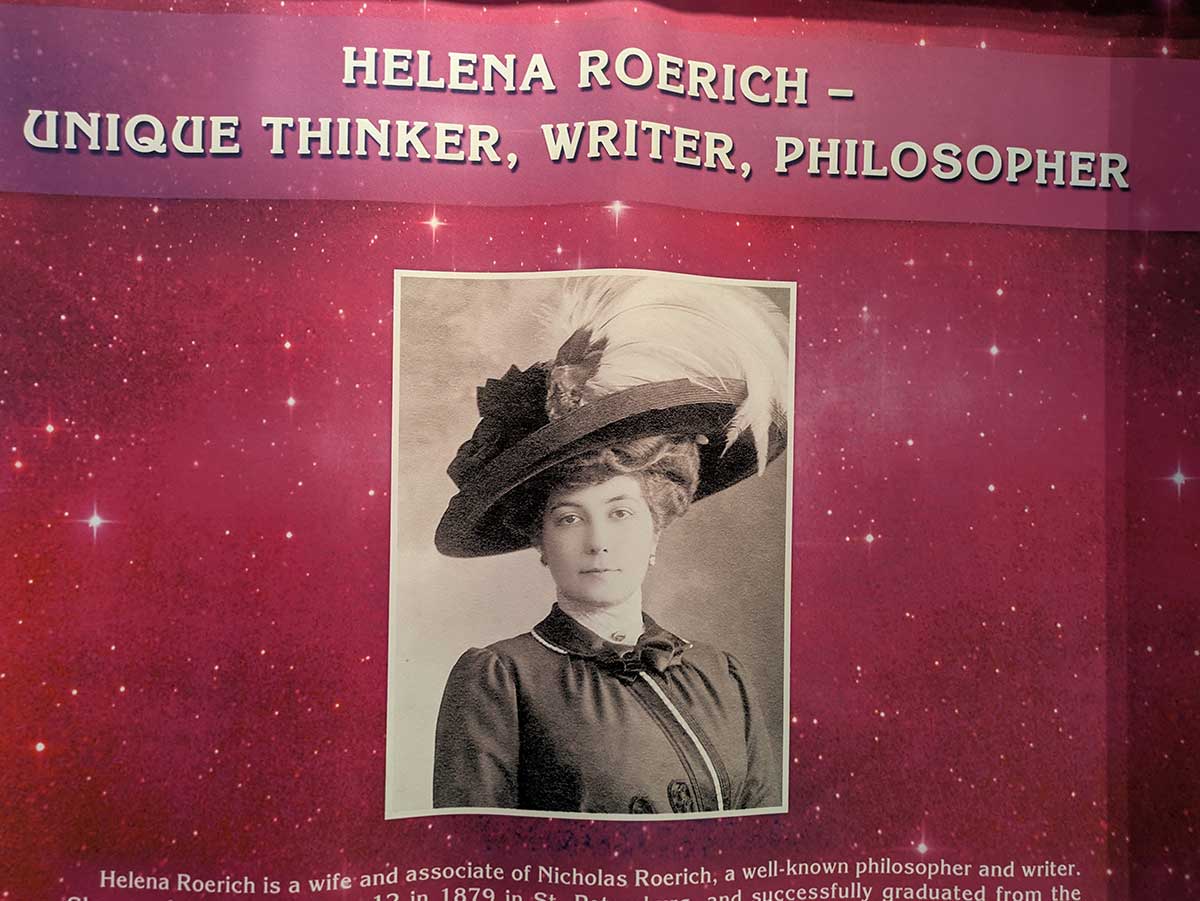
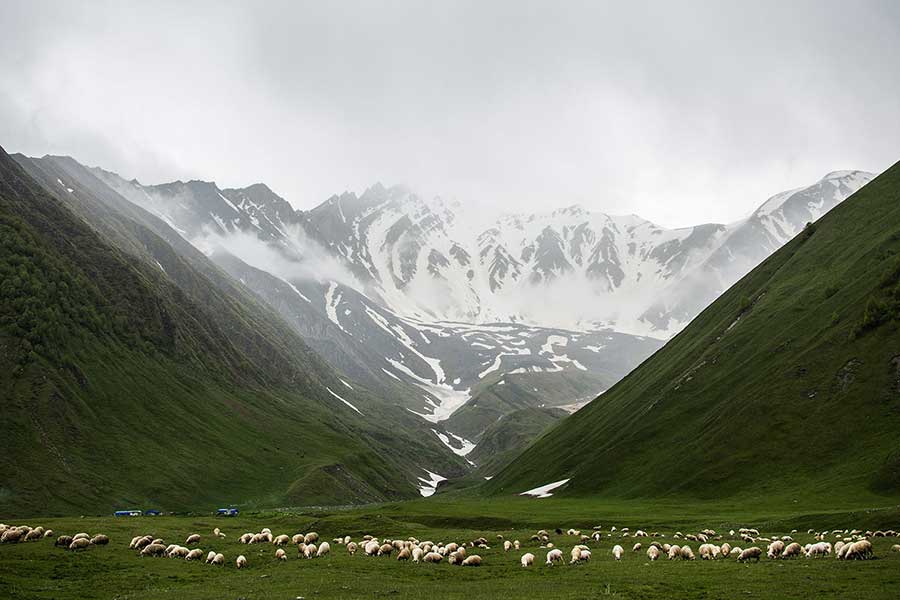
In 1924 expedition caravan departed from India and traversed China, Russia, Mongolia, Tibet as well as scantily explored and difficult regions. In 1928 the expedition came back to India. Nicholas Roerich, his wife Helena Roerich and their elder son, orientalist, George were members of the expedition. 25,000 kilometers across mountain passes, waterless deserts, boundless steppes, ice-covered slopes, deep crevices on the route, ardent heat and severe frost, nature elements and human hostility – whatever the difficulties were, they could not break travelers’ spirit.
The most dangerous salt bogs of Tsaidam did not stop the travelers, despite the fact that it took them more than a day to cross the bogs at one stretch. They managed to break away from the deadly embraces of Chantangh plateau, where the expedition had been arrested for 4 long winter months by Tibetan soldiers on the order of British authorities of colonial India. The Roerichs realized the long-held dream of explorers of Asia to cross the Tibet following the shortest route from the North, from the side of Siberia and Mongolia to the South, to the Himalayas. They were the first to map out many summits and passes. A large scientific material, including archeological, ethnographic, geological and artistic items, was collected. On the expedition route Nicholas Roerich had created over 500 paintings, drawings, sketches. Central Asian expedition is the only one reflected in wonderful paintings.
Mysterious, little-known in Europe Oriental world appeared in Roerich’s paintings and notes, created during the expedition. Having the gift of synthesis Roerich creates in his art the reflection of real Asia, which he had seen with his watchful eye of a scientist and visionary imagination of an artist.
Diverse and rich art of nations, their moral and spiritual values attracted Nicholas Roerich’s attention. He perceived it as something eternal, “imperishable”, which is the core of human existence. He visits cloisters and studies ancient manuscripts. He admires the sense of beauty and courageous selfless-ness of the ancient builders, whose edifices “soared to the waterless summits like eagles”. He feasts his eyes on entail and colorful murals of Indian temples. Comparing them to ancient Russian temples he becomes firmly convinced that Russian and Indian cultures have much in common.
He had been interested for a long time in the question of the great transmigration of peoples. On the expedition route Roerich finds tracks of settlements in places, where, according to modern scientists, they could not be found. Petroglyphs, ancient burial places, enigmatic stone constructions mysteriously concatenated the Orient and Europe, the Orient and America.
Studying original cultures of different nations, Roerich tries to find something that unites them. He aimed at proving that different nations have more similarities than differences. Nicholas Roerich used to say that we study past for the sake of future. If there was time when humanity was united, it means that this unity can be possible in future. And each culture would bring its unique gifts to the common treasury.
The expedition studied not only significant sites of material culture of Asian nations but their rich spiritual heritage as well. Members of the expedition collected series of legends and historical stories about sages, ascetics and heroes; about Buddha whose teaching considers, above all, self-improvement and advance; about Jesus Christ, who is remembered in Asia as “the best of sons of men”. Roerichs had also collected legends about Gesar-khan, who was mysterious king and valiant hero of Asia. Epic stories about Gesar-khan were composed in Tibet, Mongolia, Buryatia, Ladakh. Nobody knows, where the great hero was gone, but there will be time when the great hero appears again and destroys all the evil in this land.
Nicholas Roerich wrote down legends about Mahatmas, about miraculous stone Chintamani, about sacred Shambhala – the only place on the Earth, where the supermundane joins this world. The prophecies say that there will be the day when the Light Forces led by the Lord of Shambhala will be victorious over the dark forces… Roerich’s paintings, notes and sketches on Shambhala, Stone, Mahatmas (the guardians of secret knowledge) resembled to a fairy tale. However, it was a reality with which the Roerichs were in contact during the whole expedition.
Importance and originality of Nicholas Roerich’s expedition is that a huge scientific material, collected on the route, was examined and selected from a wide philosophical point of view, where past harmonized with future. Future determined the route of the expedition. Roerich’s expedition remains understudied and underexplored but it can lay claim to have a special place among expeditions of the last two centuries.
What to See at Roerich Art Gallery
- Original Paintings – Explore Roerich’s masterpieces depicting Himalayan landscapes, Tibetan culture, and Indian traditions.
- Personal Artifacts – See rare photographs, manuscripts, and Roerich’s own painting tools.
- Heritage Architecture – Admire the wooden structure blending traditional Himachali and European styles.
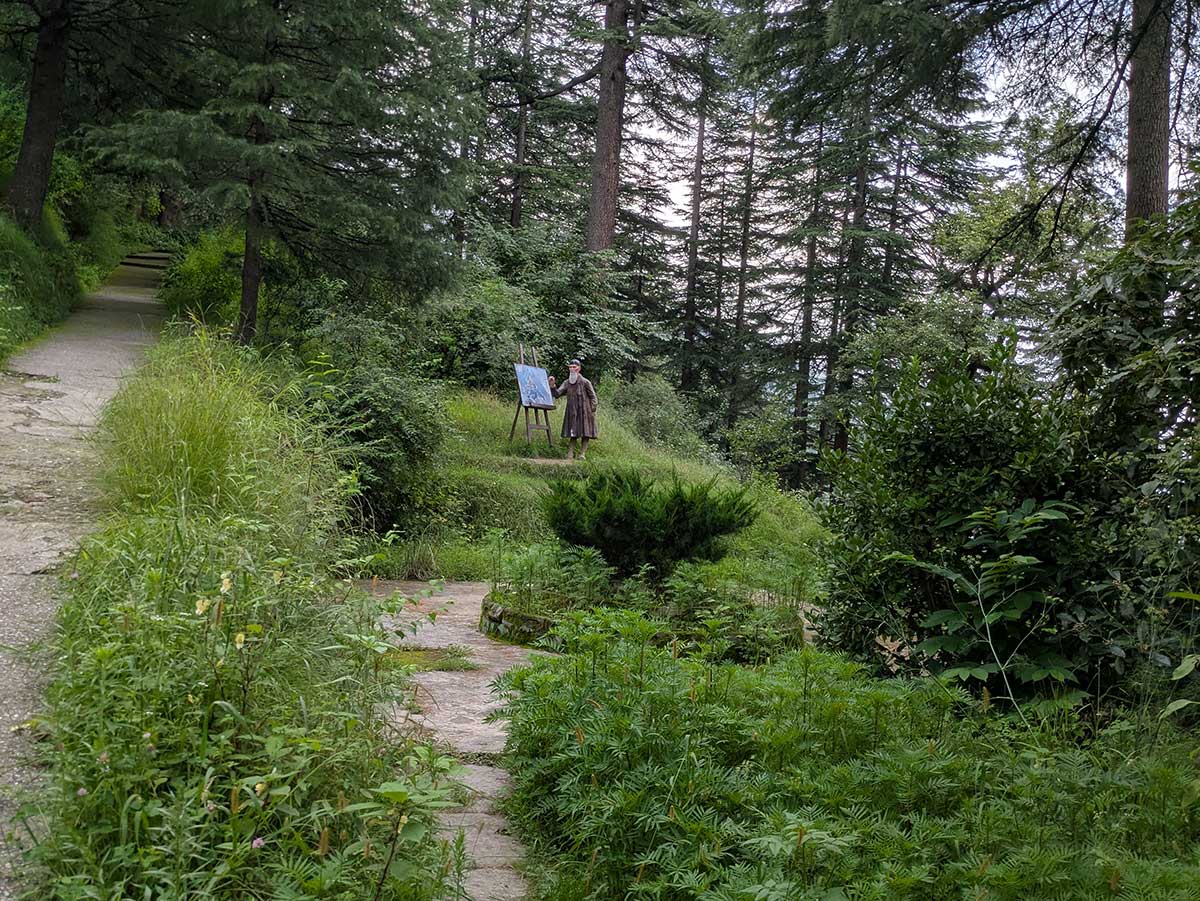
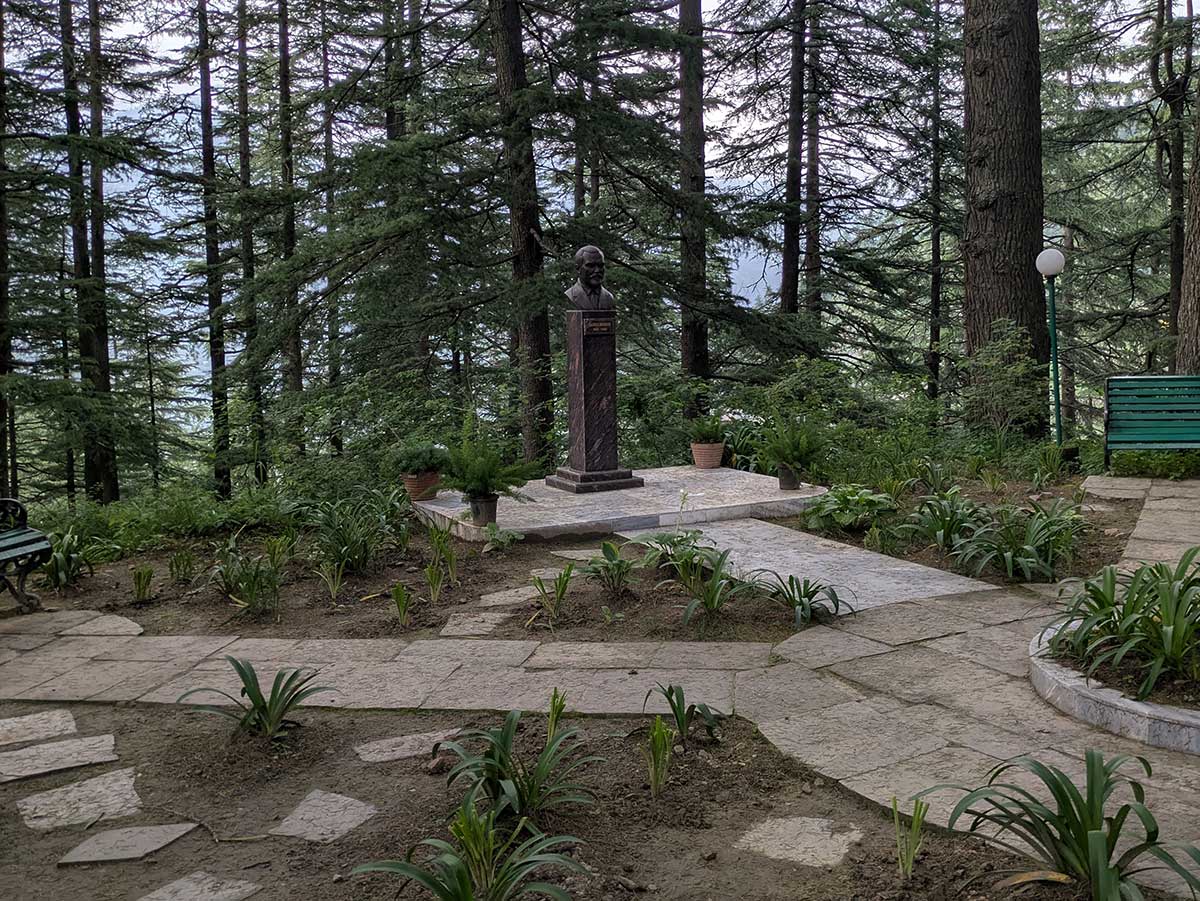
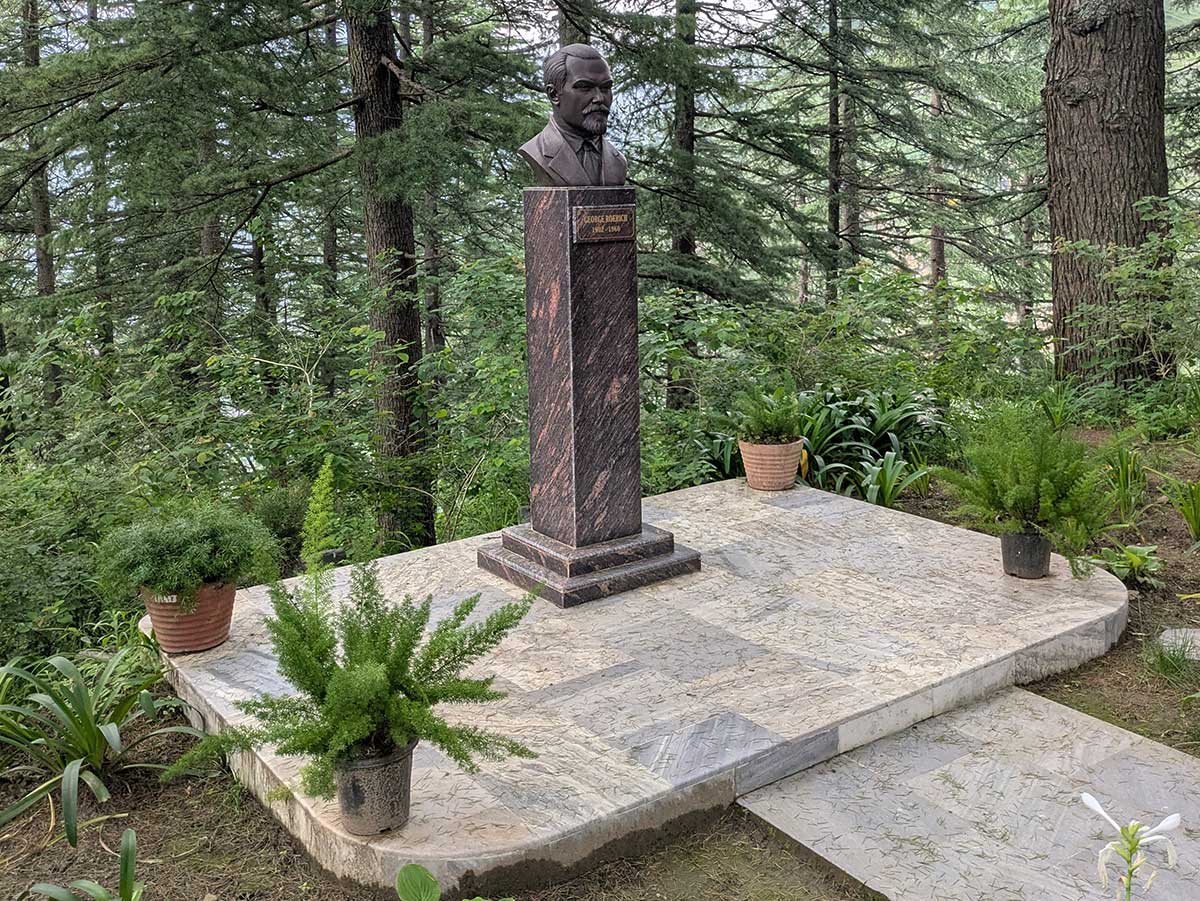
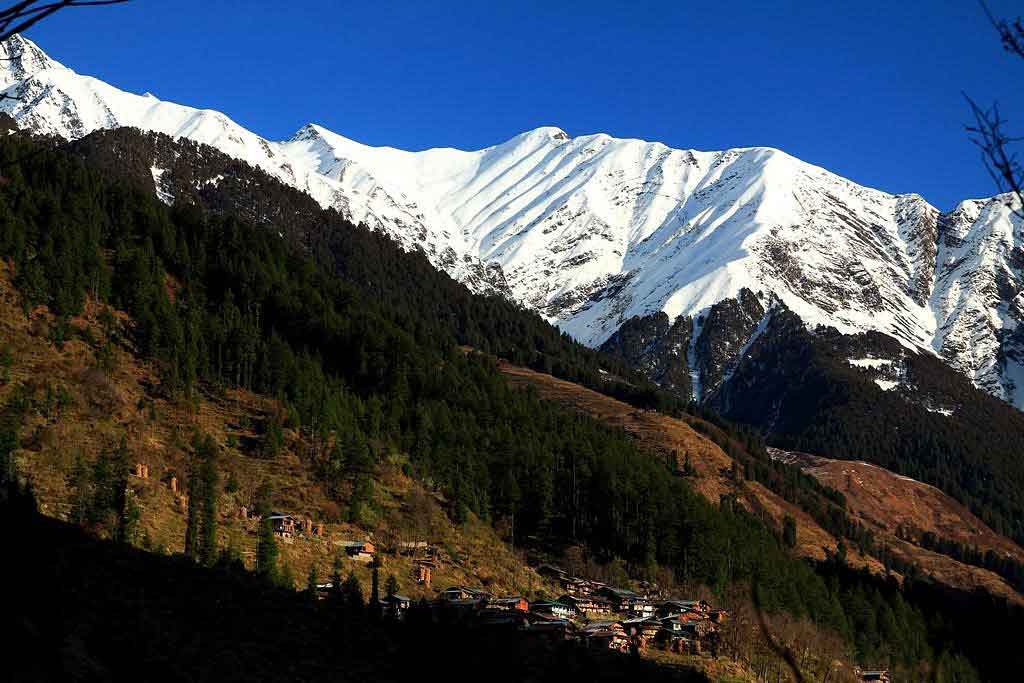
- Surrounding Gardens – Enjoy a leisurely stroll in the lush garden with panoramic mountain views.
Why Visit?
The Roerich Art Gallery is not just an art museum; it’s a cultural treasure that connects travelers with the artistic and spiritual soul of the Himalayas. Whether you are an art enthusiast or simply want to experience the tranquil beauty of Naggar, this gallery offers an unforgettable journey.
Best Time to Visit
The ideal months to visit Naggar and the Roerich Art Gallery are March to June and September to November, when the weather is pleasant, and the valley blooms with natural beauty.
How to Reach
Naggar is located around 20 km from Manali and is easily accessible by road. You can hire a taxi or take a local bus from Kullu or Manali.
FAQs