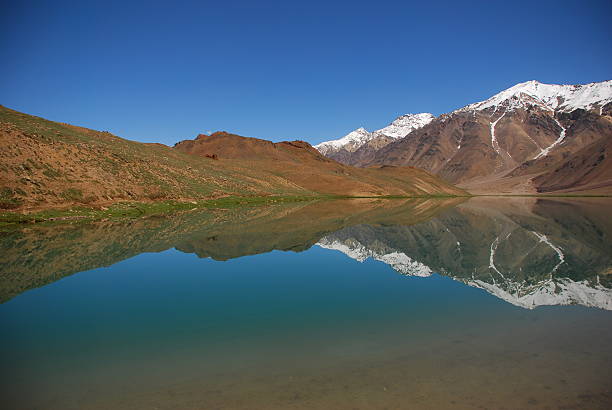
Spiti Valley Winter Tour is not just a holiday—it is an experience for travellers who want to see a completely different side of Himachal Pradesh. When winter arrives, the landscape of Spiti transforms into a spectacular world of snow-covered villages, frozen rivers, dramatic mountains and clear blue skies.
If you are planning a Spiti Valley winter trip, this is the perfect time to experience the valley’s raw beauty, peaceful villages and unique Himalayan culture away from the crowds of the summer season.
At Unexplored Himachal, we help travellers plan customised Spiti Valley winter tours with local knowledge, experienced drivers and carefully planned itineraries.
Why Visit Spiti Valley in Winter?
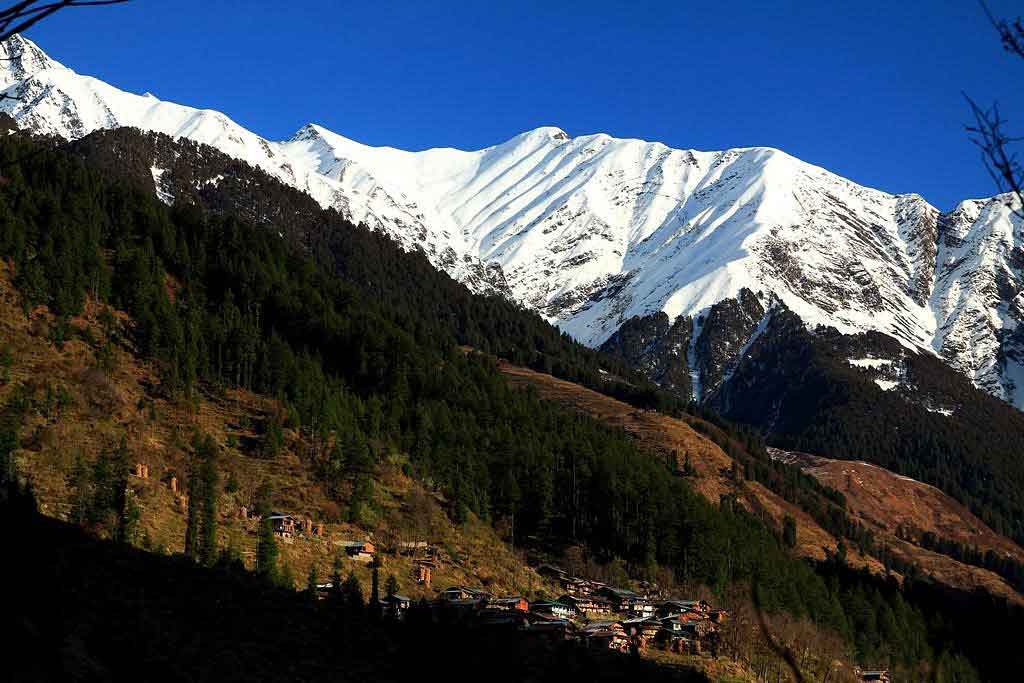
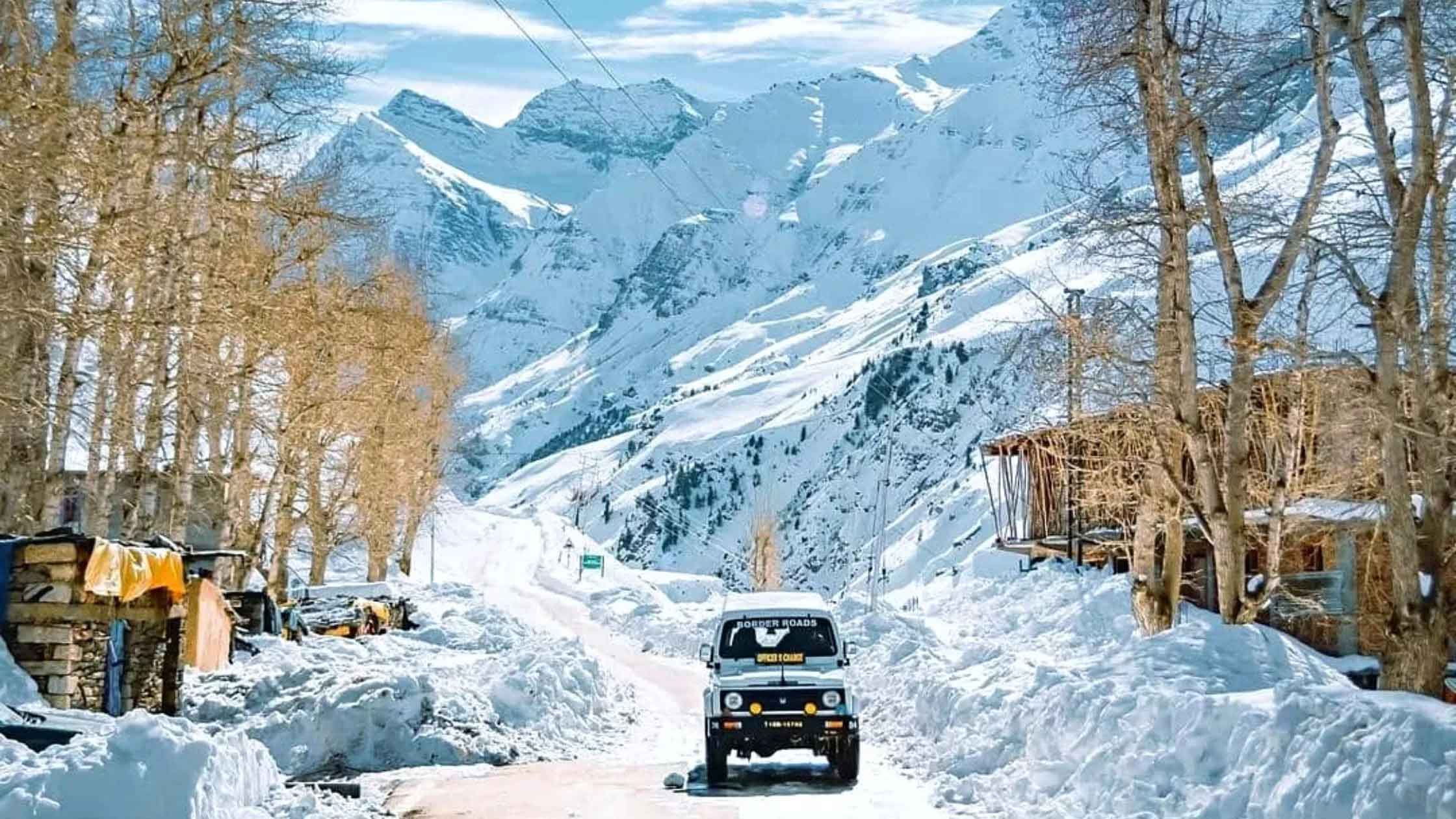
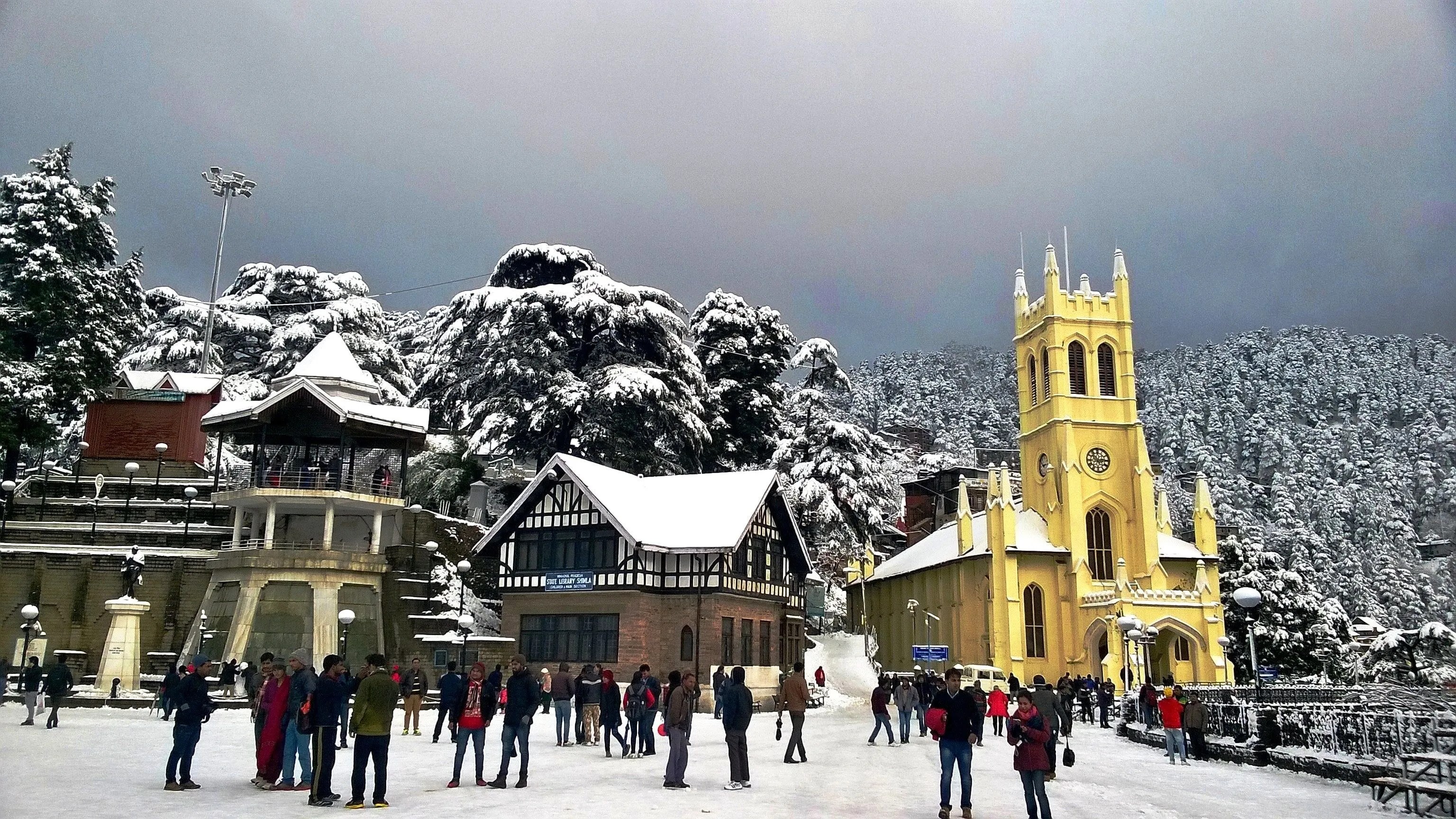
Spiti Valley looks completely different during winter. Snow covers the mountains and villages, the roads become quieter, and the entire valley takes on a peaceful atmosphere.
Unlike the busy summer months, a winter Spiti trip gives you an opportunity to experience the valley at a slower pace.
Some of the biggest reasons to visit Spiti in winter include:
- Beautiful snow-covered Himalayan landscapes
- Frozen Spiti River
- Snow-covered villages such as Komic, Langza and Hikkim
- Possibility of spotting the Himalayan wildlife
- Fewer tourists and a more peaceful atmosphere
- Authentic village experiences
- Stunning winter photography opportunities
- Experience of traditional Spitian life during extreme winter
For adventure lovers, photographers, couples and travellers looking for an offbeat Himalayan experience, Spiti Valley in winter can be unforgettable.
Best Time for a Spiti Valley Winter Tour
The winter season generally begins around November and continues through March, although actual road and weather conditions can vary considerably from year to year.
November – Early Winter
November is a good option if you want to experience the beginning of winter while some routes may still be comparatively easier than in the peak winter months.
You may see fresh snowfall at higher elevations, while several villages remain accessible depending on conditions.
December to February – Peak Winter
This is the real Spiti winter experience.
During these months, heavy snowfall and freezing temperatures can create challenging travel conditions. Roads may become difficult, and some high-altitude villages can experience limited accessibility.
However, for travellers specifically looking for snow, frozen landscapes and authentic winter Spiti, this is one of the most rewarding periods.
March – Winter Slowly Ends
March can offer a combination of winter landscapes and improving travel conditions, depending on snowfall and road status.
If you want snow but prefer slightly less extreme conditions, March can be worth considering.
How to Reach Spiti Valley in Winter?
Winter travel to Spiti requires careful planning because road conditions can change quickly.
The Shimla–Kinnaur–Kaza route is generally the more practical approach for winter planning because the Manali–Kaza route is normally closed during the winter due to heavy snow around high passes.
A typical winter journey can be:
Chandigarh → Shimla →Narkanda→Kalpa→Nako→Tabo→Dhankar→Kaza
This route itself is a beautiful Himalayan road trip, taking you through Kinnaur before entering the Spiti Valley.
However, road openings and closures depend on snowfall, weather, local administration and ground conditions. A winter itinerary should therefore remain flexible.
Places to Visit in Spiti Valley During Winter
1. Kaza
Kaza is the main town and administrative centre of Spiti Valley. During winter, it becomes a quiet Himalayan settlement surrounded by snow-covered mountains.
Kaza is also an important base for arranging accommodation, food, fuel and local transportation.
2. Key Monastery
Perched dramatically on a hill above the Spiti River, Key Monastery is one of the most famous monasteries in the valley.
The monastery looks especially beautiful against the white winter landscape.
3. Langza Village
Langza is famous for its giant Buddha statue, traditional houses and spectacular mountain views.
During winter, much of the village can be covered in snow, creating a completely different atmosphere.
4. Hikkim
Hikkim is famous for its high-altitude post office and remote Himalayan setting.
A winter visit can be a memorable experience, although accessibility can be affected by heavy snowfall.
5. Komic
Komic is one of the highest inhabited villages in the region and is surrounded by dramatic Himalayan scenery.
Visiting Komic in winter requires careful assessment of road conditions and weather.
6. Chicham Bridge
The famous Chicham Bridge connects remote areas of the upper Spiti region and offers spectacular views of the surrounding mountains.
Whether it is accessible during your winter trip depends on local road conditions.
7. Tabo
Tabo is one of the most culturally significant destinations in Spiti Valley.
Its ancient monastery and traditional village surroundings provide an opportunity to understand the deep Buddhist heritage of the region.
8. Dhankar
Dhankar is famous for its ancient monastery and dramatic location overlooking the Spiti Valley. Winter gives the landscape around Dhankar a beautiful frozen appearance.
What Is the Temperature in Spiti During Winter?
Spiti experiences extremely cold winters.
Daytime temperatures can remain below freezing in some areas, while nighttime temperatures can fall significantly lower.
Depending on altitude, weather and location, winter temperatures can sometimes reach around -15°C to -25°C or even lower during particularly cold periods.
This means proper winter clothing is essential. You should carry:
- Thermal innerwear
- Heavy down jacket
- Woollen socks
- Waterproof trekking shoes
- Gloves
- Woollen cap
- Neck warmer
- Sunglasses
- Sunscreen
- Lip balm and moisturiser
- Personal medicines
Is Spiti Valley Safe in Winter?
Yes, Spiti Valley winter travel can be undertaken safely with proper planning, but it is considerably more demanding than a summer trip.
Winter conditions can include:
- Snowfall
- Black ice
- Frozen roads
- Road closures
- Extremely low temperatures
- Limited accommodation
- Changes in travel schedules
This is why choosing an experienced local Spiti Valley tour operator is important.
A local team can monitor road and weather conditions, communicate with drivers and hotels, and adjust the itinerary when necessary.
Why Choose a Local Spiti Valley Tour Operator?
A winter Spiti trip is different from a normal Himachal holiday.
You need someone who understands the local terrain, winter road conditions, accommodation availability and practical challenges of travelling at high altitude.
At Unexplored Himachal, we specialise in offbeat Himachal journeys and customised trips to destinations such as Spiti Valley, Pangi Valley, Tirthan Valley and other remote regions.
We can help with:
- Customised Spiti winter itineraries
- Local transportation and experienced drivers
- Hotel and homestay arrangements
- Flexible planning according to road conditions
- Local assistance during the journey
- Family, couple and group tours
How Many Days Are Enough for a Winter Spiti Trip?
For a proper winter road trip, we recommend keeping at least 7–10 days, depending on your starting point and the places you want to cover.
A longer itinerary allows you to travel at a comfortable pace and gives some flexibility in case weather or road conditions cause delays.
A sample route can be:
- Day 1: Chandigarh – Shimla
- Day 2: Shimla – Kalpa
- Day 3:Kalpa – Nako – Tabo
- Day 4:Tabo – Dhankar – Kaza
- Day 5:Kaza Local Sightseeing – Key Monastery Day 6:Kaza – Langza – Hikkim – Komic – Kaza Day 7:Kaza – Tabo / Nako
- Day 8: Return towards Shimla
- Day 9: Shimla – Chandigarh
The exact itinerary should be adjusted according to winter road conditions and local accessibility.
Spiti Valley Winter Tour Cost
The cost of a winter Spiti Valley tour depends on several factors, including:
- Number of travellers
- Number of days
- Starting point
- Vehicle type
- Hotel or homestay category
- Route
- Travel dates
- Availability during peak winter
- Special transportation requirements
Instead of choosing a very cheap package, it is important to understand what is actually included in the price.
For a remote winter destination like Spiti, reliable transportation, experienced drivers and proper local support are more important than simply choosing the lowest quotation.
What Makes a Winter Spiti Trip Different?
Summer Spiti and winter Spiti are almost two different travel experiences.
In summer, you can explore more villages and roads comfortably, while winter offers solitude, snow and an opportunity to experience the valley under extreme Himalayan conditions.
You may wake up to snow-covered mountains, see frozen streams beside the road and spend evenings inside a warm homestay with a traditional Himalayan meal.
It is less about ticking destinations off a list and more about experiencing Spiti’s winter way of life.
Important Tips for Your Spiti Winter Tour
Before booking your trip, keep these points in mind:
- Keep your itinerary
Winter weather can change travel plans.
- Carry proper winter
Do not underestimate the cold.
- Avoid
High-altitude winter travel requires patience.
- Choose experienced local
Mountain roads can be challenging in snow and ice.
- Keep buffer
A road closure or snowfall can delay your journey.
- Confirm village accessibility before
High-altitude villages may not always be accessible.
- Stay
Cold weather can make you forget to drink enough water.
- Follow local
Weather and road conditions can change quickly.
Book Your Spiti Valley Winter Tour with Unexplored Himachal
If you are searching for a Spiti Valley Winter Tour, Spiti winter package, Spiti Valley winter trip from Chandigarh, or a customised winter Spiti Valley tour, Unexplored Himachal can help you plan your journey according to your travel dates, group size and budget.
We are a local Himachal travel operator based in Kullu Manali, Himachal Pradesh, specialising in offbeat and customised Himalayan journeys.
Instead of following a standard itinerary, we can help you plan a Spiti experience based on what you actually want to see and experience.
Ready to Experience Frozen Spiti?
Tell us your travel dates, number of travellers and starting point, and we can suggest a suitable Spiti Valley winter itinerary and package.
Unexplored Himachal – Explore Beyond the Usual