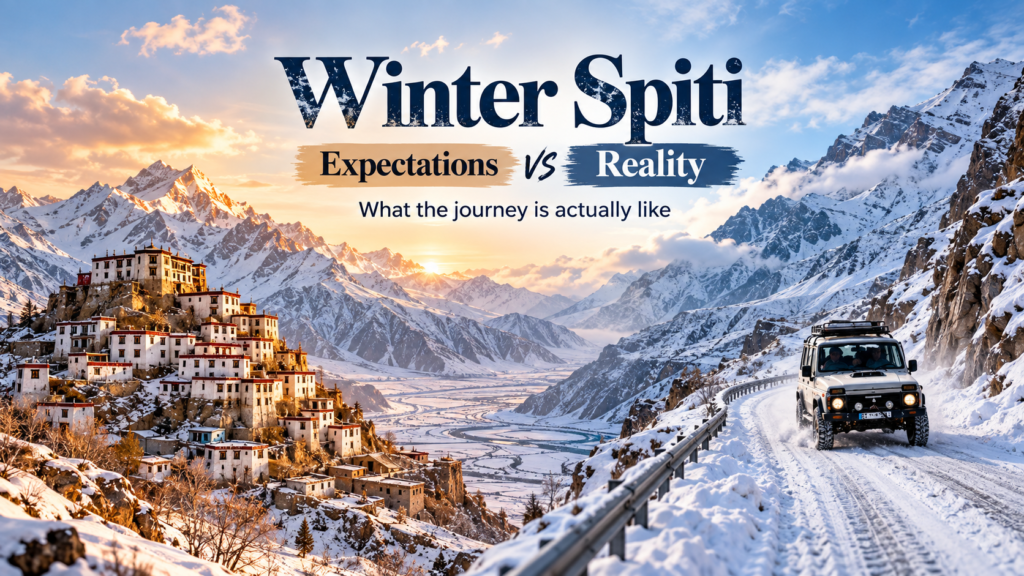
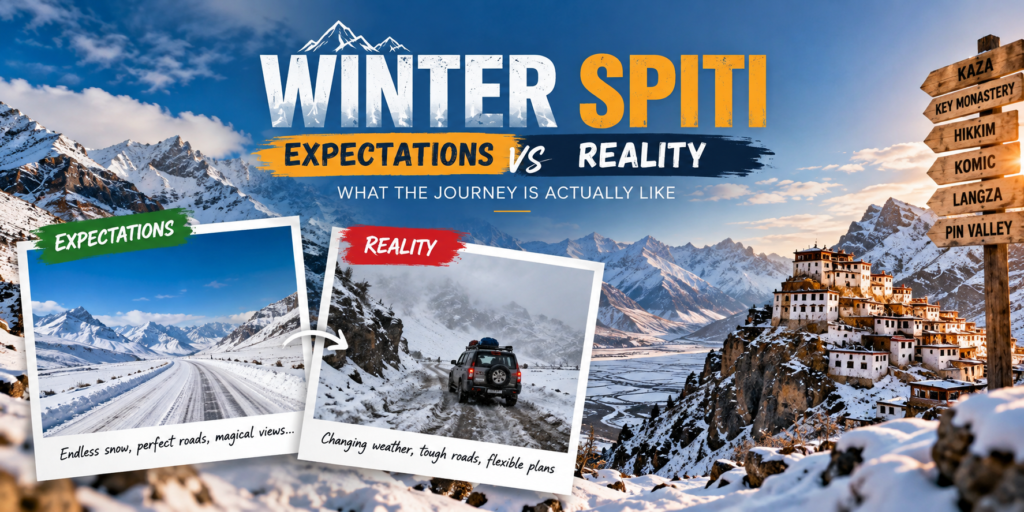
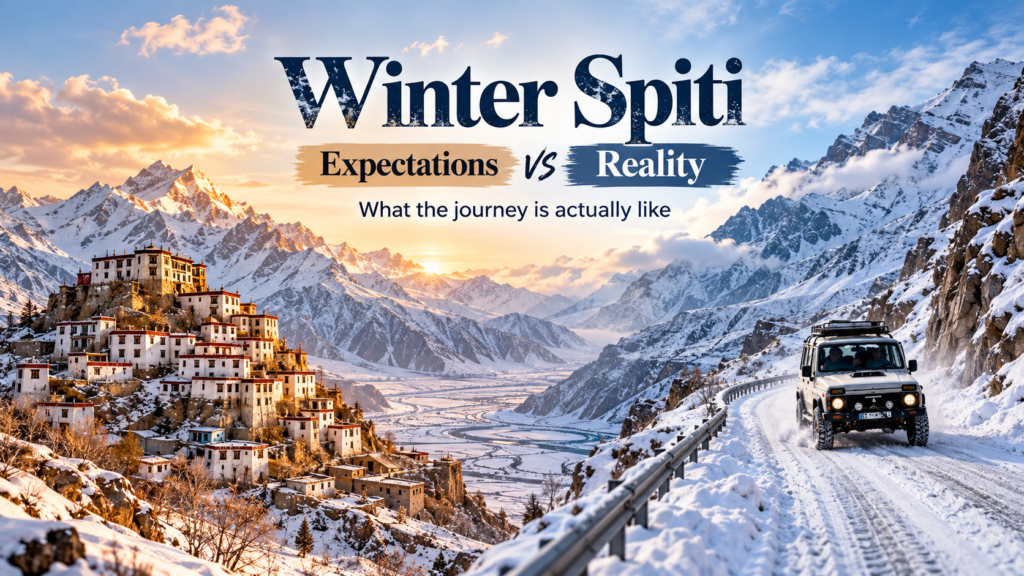
Winter Spiti Expectations vs Reality: What the Journey Is Actually Like

Table of Contents

Quick answer: Winter Spiti is not simply the summer circuit with snow added. The route, driving pace, sightseeing, accommodation expectations and daily plans all become more dependent on weather and road conditions. A 4×4 can improve winter mobility, but it cannot override a closure. Snow may be on the ground without fresh snowfall during your exact dates, and the best trip is one planned with flexibility rather than a fixed sightseeing checklist.

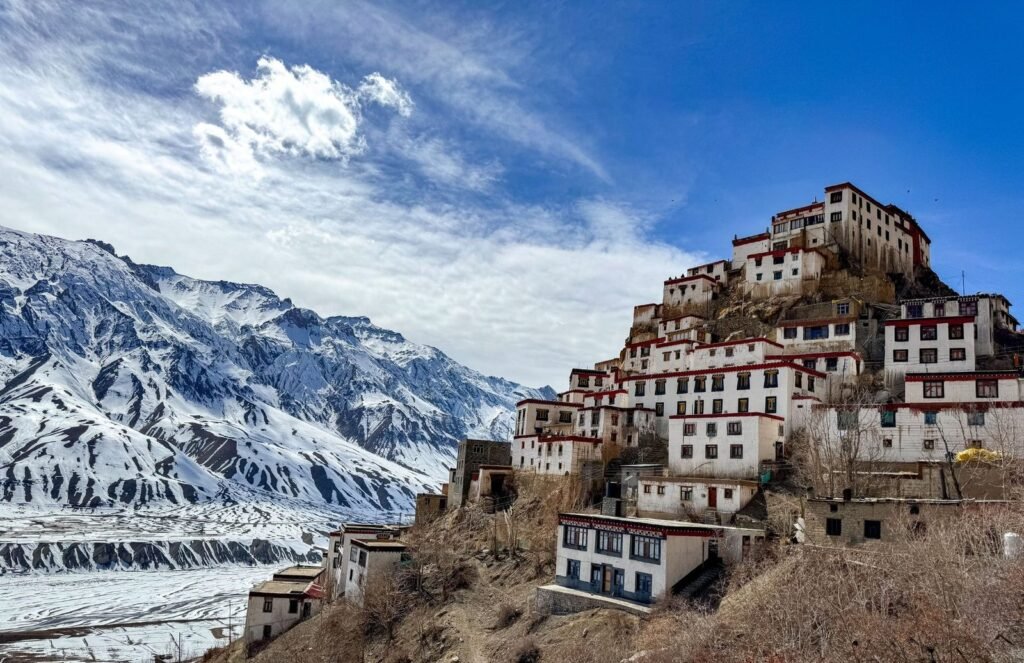
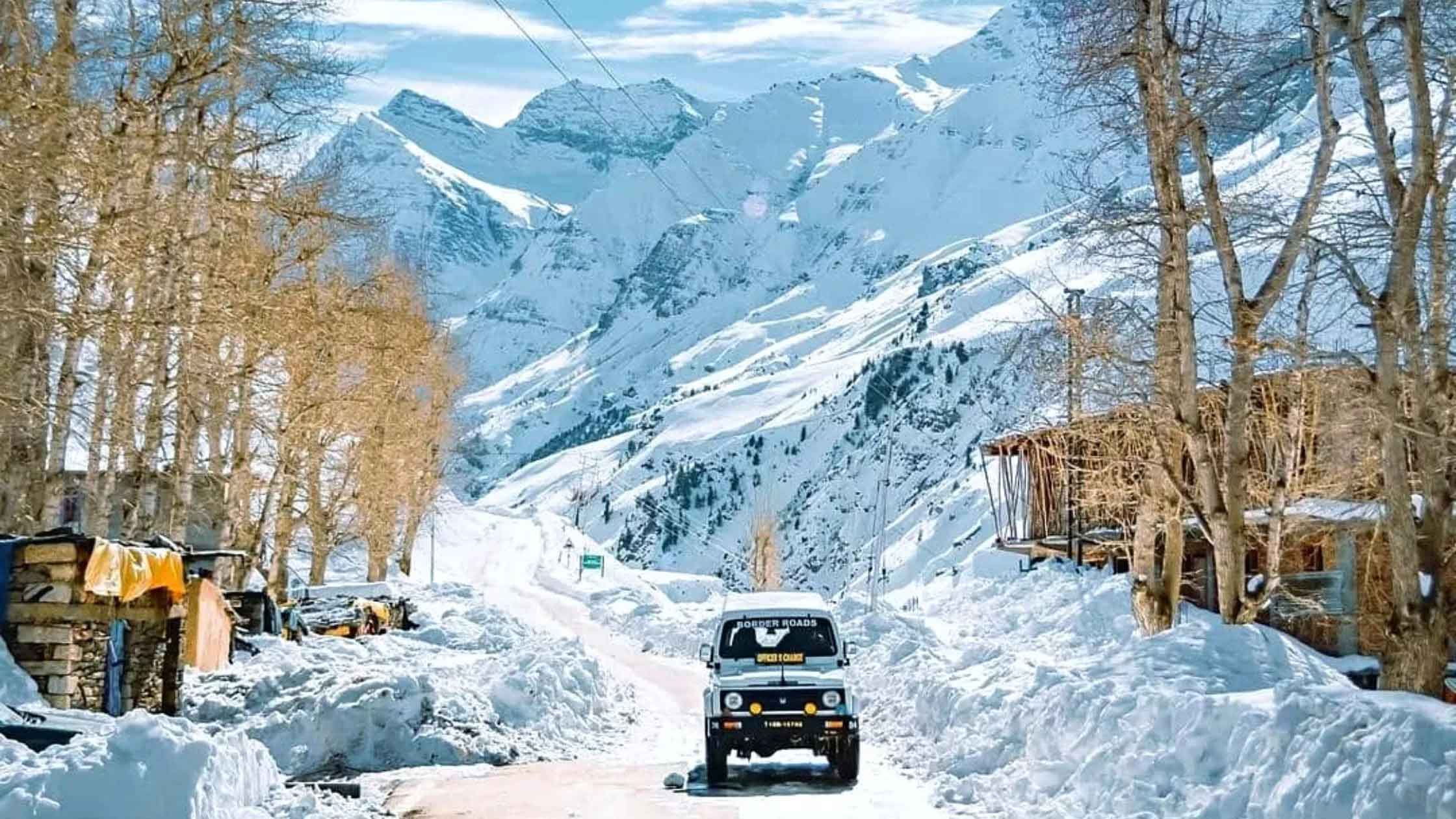
Winter Spiti is one of the most visually dramatic ways to experience Himachal Pradesh, but social media tends to show the cleanest ten seconds: a white road, a monastery under snow, or a 4×4 moving through a frozen landscape. The actual journey is more interesting — and more demanding — than that single frame.

The better question is not, “Is Winter Spiti beautiful?” It is. The useful question is: “What should I realistically expect before I commit to a winter road trip into Spiti?”

This guide answers that question without turning Winter Spiti into either a fantasy or a warning story. It covers snow, roads, 4×4 travel, the winter route, accommodation, altitude, sightseeing flexibility and the difference between early winter and deep winter. If you are still building your overall route, our complete Spiti Valley travel guide gives the broader destination context.

Winter Spiti Expectations vs Reality at a Glance

ExpectationReality
Fresh snowfall every daySnowfall is weather-dependent. Existing snow cover and fresh snowfall are different things.
A 4×4 can go anywhereFour-wheel drive improves traction and mobility, but closures and unsafe road conditions still stop travel.
Every place on the itinerary is guaranteedSide roads and higher villages can become condition-dependent after snowfall.
October looks like JanuaryOctober is usually a transition toward winter; December to February generally bring the deeper winter character.
The cold is the only challengeAltitude, dry air, long drives and changing road conditions also shape the journey.

Expectation 1: “Winter Spiti means fresh snowfall everywhere.”

Reality: You can have a very wintry Spiti trip without seeing snow fall from the sky.

Snowfall is an event. Snow cover is what remains on the ground afterward. The two are not the same.

A traveller may reach Spiti during a period when villages, slopes and side roads still hold snow but no fresh snowfall happens during the trip. The opposite is also possible: a fresh weather system can quickly change road conditions.

That difference matters when choosing dates. Himachal Tourism describes December to February as deep winter in Spiti. October is better understood as a transition toward winter rather than a promise of deep-winter conditions.

Local Note: Do not choose an October departure expecting guaranteed “White Spiti.” October can offer colder weather, quieter landscapes and the possibility of early snow, while the deeper winter character generally develops later.

Expectation 2: “The road is just the adventure part of the trip.”

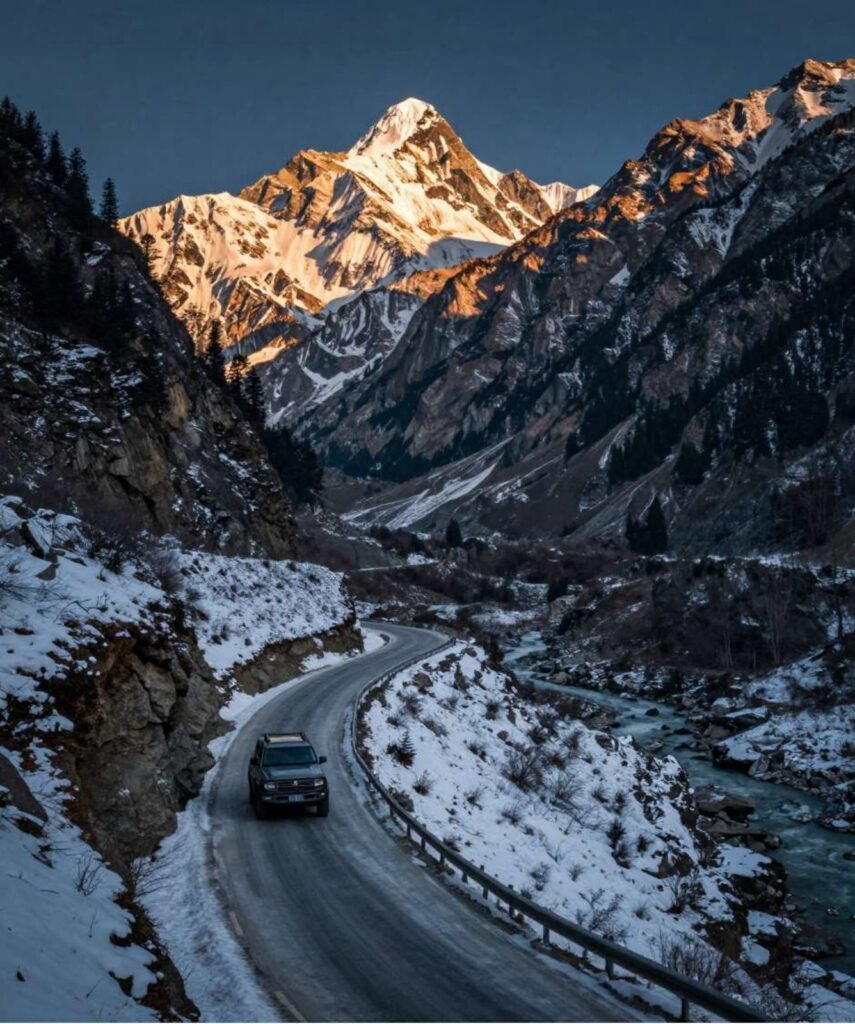
Reality: In winter, the road shapes the entire itinerary.

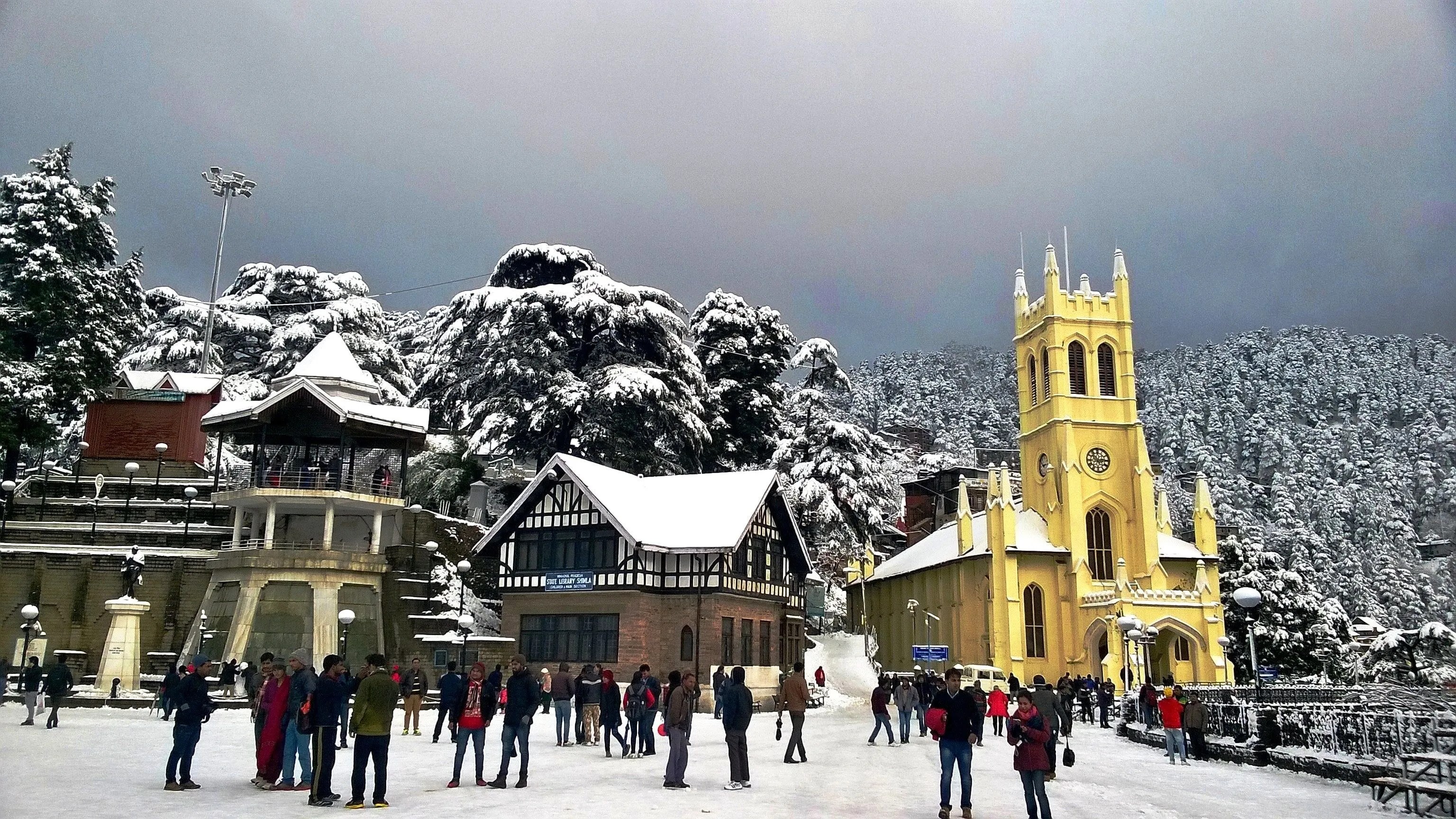
The winter approach to Spiti is fundamentally different from the popular summer circuit. The Shimla-Kinnaur-Kaza side is the principal winter approach, while the Manali-Kaza route across Kunzum Pass is seasonal and generally closes during winter.

The Lahaul-Spiti district administration describes the Shimla-Kaza route as an almost all-weather connection, subject to prevailing weather and road conditions. That is an important distinction: “almost all-weather” does not mean unaffected by snowfall, ice, maintenance, rockfall or temporary restrictions.

This is one reason summer Google Maps timings are a poor way to plan a Winter Spiti day. The practical pace depends on daylight, road surface, weather, traffic restrictions and how much safety margin a driver needs before dark.

Expectation 3: “A 4×4 means the road can’t stop us.”

Reality: A 4×4 is a tool, not permission to ignore the mountain.

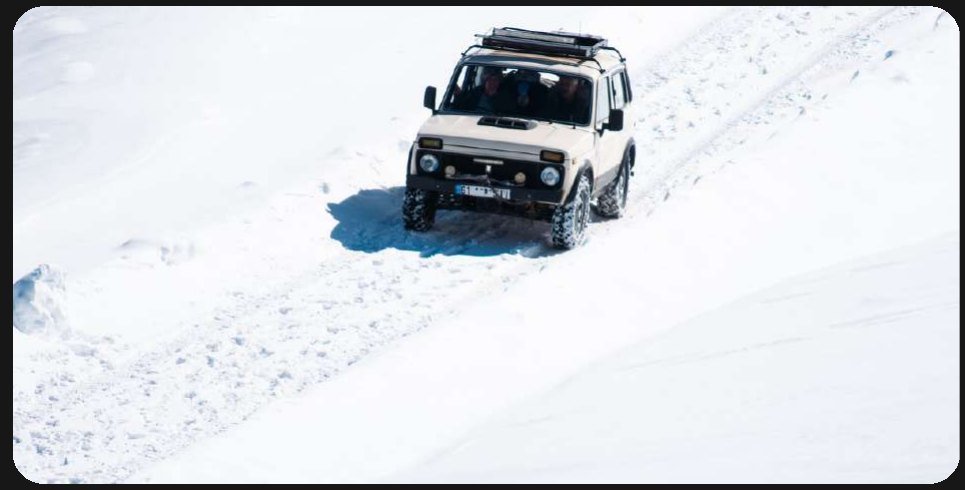
Four-wheel drive can improve traction on snow, slush and difficult surfaces, particularly when combined with suitable tyres and snow chains where conditions require them.

It can make an important difference to mobility and control during a winter expedition. What it cannot do is turn an officially closed, blocked or unsafe road into an open one. It also does not remove the risk of black ice or replace an experienced driver’s judgement.

In serious winter travel, the decision to slow down, wait, change a sightseeing plan or turn back can sometimes matter more than the badge on the vehicle.

For travellers who want to see how we structure the actual trip, the Unexplored Himachal Winter Spiti 4×4 Expedition follows the Shimla-Kinnaur approach and includes 4WD travel on the Spiti winter circuit with snow-chain support when required.

Expectation 4: “If a place is on the itinerary, we will definitely visit it.”

Reality: Winter sightseeing is conditional by design.

A responsible winter itinerary separates the main travel route from condition-dependent sightseeing.

Kaza may be the base, but access toward side valleys or higher villages can change after snowfall. A road that was usable yesterday may need clearing today.

This is already reflected in Unexplored Himachal’s Winter Spiti expedition planning: access toward Pin Valley is treated as subject to road and snow conditions.

A destination can be part of the planned experience without being guaranteed regardless of conditions. The practical goal is not to “complete” Spiti like a checklist. It is to experience as much of the route as conditions safely allow without turning a holiday into a race against the weather.

Expectation 5: “Every Winter Spiti month gives the same trip.”

Reality: October and January can feel like completely different journeys.

The phrase “Winter Spiti” covers a long seasonal window, but the experience changes significantly across it.

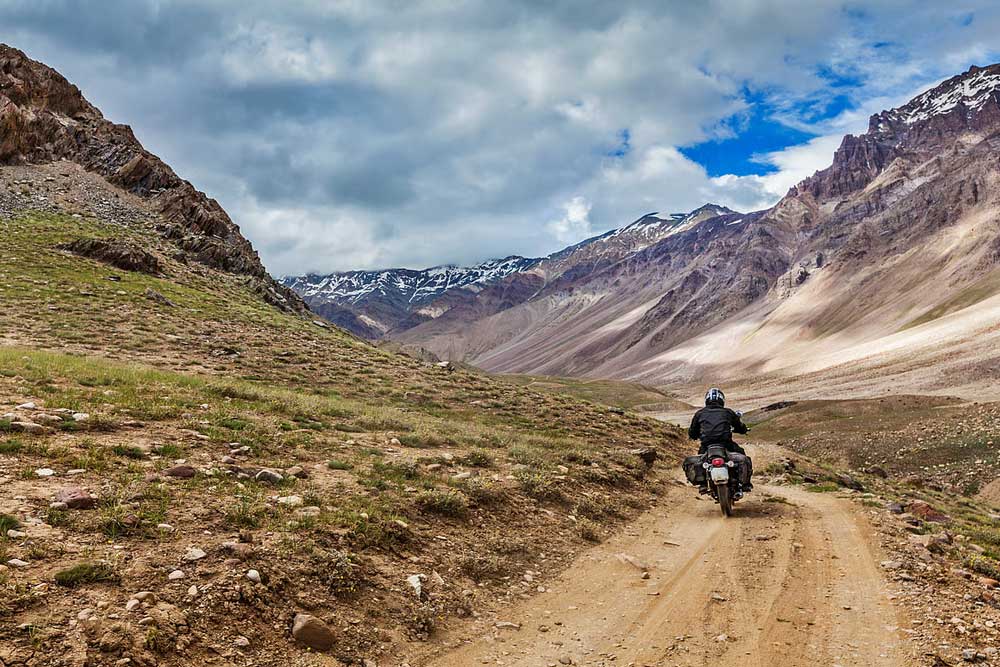
October can still show the brown-gold cold-desert landscape, with fresh snow often limited to higher areas or recent weather systems. November moves deeper into the seasonal transition. December through February normally bring the strongest winter character. March can retain substantial snow while daylight and daytime conditions begin changing again.

There is therefore no single best month for every traveller. The better choice depends on what you want: a transition-season road trip, the deepest winter environment, photography, relatively less severe cold, or a journey through established snow cover.

Planning rule: Choose the month for the type of experience you want — not for a guaranteed weather event. No responsible tour operator can guarantee fresh snowfall on specific travel dates.

Expectation 6: “A winter stay in Spiti works like a normal hill-station hotel.”

Reality: Ask practical questions about the stay, not just the room category.

In a remote high-altitude winter destination, labels such as “standard” or “deluxe” tell you less than the practical details.

Before travelling, confirm what a property actually provides during winter: room-heating arrangements, hot-water timing, meal plan, backup power where applicable and the property’s location relative to the day’s route.

This does not mean Winter Spiti accommodation is automatically uncomfortable. It means expectations should match the destination. A warm room, a hot dinner and a well-planned morning departure often matter considerably more than resort-style extras.

Expectation 7: “The temperature is the only physical challenge.”

Reality: Altitude deserves as much respect as the cold.

Spiti is high-altitude travel. Kaza is above 3,600 metres, while several commonly visited villages and viewpoints are higher still.

Cold, low humidity and reduced oxygen at altitude can affect sleep, appetite, hydration and how quickly someone feels comfortable after arriving. Headache, unusual fatigue, nausea or worsening breathlessness should not simply be dismissed because the trip is exciting.

Travellers with relevant medical conditions should discuss high-altitude travel with an appropriate healthcare professional before departure. For general high-altitude travel guidance, see the CDC high-altitude travel guidance.

The Shimla-Kinnaur approach is useful not only because of winter road access but because it creates a more gradual progression into higher terrain than arriving abruptly from a low elevation. Individual responses to altitude vary, so an itinerary should never encourage travellers to ignore worsening symptoms.

Expectation 8: “I can plan Winter Spiti like a normal work-from-anywhere trip.”

Reality: Build the trip around the mountains, not uninterrupted connectivity.

Mobile data, power availability and service reliability can vary by location and conditions. Even when connectivity is available, a winter road delay may move your check-in time or change the day’s schedule.

If you have a critical work call, flight connection or fixed appointment immediately after the journey, build in margin rather than assuming the itinerary will behave like a city break.

Keep offline copies of identification, booking confirmations, emergency contacts and key addresses. Carry a charged power bank and avoid relying on a single phone for every important document.

Expectation 9: “The whole trip looks like the 15-second reel.”

Reality: The quiet, slow parts are part of the experience.

Winter Spiti includes long road days, early starts, repeated layers, tea stops, waiting for a road update, sunlight disappearing earlier than expected and the occasional sightseeing plan that changes completely.

Those moments rarely become the cover photo, but they are what make winter travel fundamentally different from an ordinary package holiday.

If you enjoy uncertainty only after it has been edited out of a video, Winter Spiti can feel demanding. If you enjoy the journey itself — travelling through Kinnaur, watching the landscape change, visiting monasteries and remote villages, and moving with the weather rather than against it — the slower pace becomes part of the reason to go.

Who is Winter Spiti actually for?

Winter Spiti tends to suit travellers who are comfortable with cold, long mountain drives and a flexible plan.

It can work particularly well for photographers, small groups, couples looking for an unconventional road trip and travellers who value remote landscapes more than a tightly scheduled sightseeing checklist.

It may not be the right choice if your holiday depends on guaranteed snowfall, guaranteed access to every listed place, resort-style comfort at every stop or a fixed minute-by-minute schedule.

Travellers with significant heart, lung or other relevant medical conditions should seek appropriate medical advice before high-altitude travel.

How the 9-day Unexplored Himachal Winter Spiti route is planned

The Unexplored Himachal Winter Spiti expedition is an 8-night/9-day Delhi-to-Delhi journey entering Spiti through Shimla and Kinnaur.

The planned journey follows Delhi → Shimla → Narkanda → Kalpa/Sangla → Tabo → Dhankar → Kaza, with condition-dependent sightseeing toward Pin Valley and the high villages around Kaza, including Key, Chicham, Kibber, Hikkim, Langza and Komic, before returning through Kinnaur.

The itinerary uses a 4WD SUV for the Spiti winter circuit and includes snow-chain support when conditions require it. The important word is planned. During winter, current road and weather conditions should always take priority over a printed sequence of sightseeing stops.

View the Winter Spiti 4×4 Expedition itinerary.

How to prepare without overcomplicating it

Carry a proper layering system: thermal base layers, insulation and a wind- or water-resistant outer layer.

Protect your hands, feet, face and eyes. Gloves, warm socks, suitable winter footwear, sunglasses, sunscreen and lip protection all matter in a cold, high-UV environment.

Keep important medicines, identification, water and a small snack accessible inside the vehicle rather than buried under luggage. Leave mental room for itinerary changes. A buffer mindset is more useful than trying to recover every lost hour.

Before booking, ask what is guaranteed, what is condition-dependent, which vehicle will be used and what heating arrangements are available at each overnight stop.

For a more detailed checklist, use our Spiti Valley packing guide.

The bottom line: Winter Spiti is better when expectations are accurate

Winter Spiti does not need exaggerated promises.

The real experience is compelling enough: a high-altitude cold desert during its quietest season, reached by a long road through Kinnaur, with monasteries, villages and mountain landscapes shaped by snow, cold and changing conditions.

Go expecting flexibility rather than perfection. Treat fresh snowfall as a bonus rather than a guarantee. Understand what a 4×4 can and cannot do. Respect altitude. Ask practical questions about your stays. And allow the itinerary to respond to the road.

That is the difference between simply booking a winter package and actually being prepared for a Winter Spiti journey.

Planning a Winter Spiti journey?

Unexplored Himachal runs locally planned Winter Spiti 4×4 expeditions through the Shimla-Kinnaur route. If you want help choosing the right month, understanding current conditions or checking available departures, message Unexplored Himachal on WhatsApp.

Frequently asked questions about Winter Spiti

Is Spiti Valley open in winter?

Spiti remains inhabited in winter, and the Shimla-Kinnaur-Kaza side provides the principal winter road approach. The Manali/Kunzum route is seasonal and generally closes during winter. Temporary disruptions can still occur following snowfall or other road events.

Will I definitely see snowfall on a Winter Spiti trip?

No. Fresh snowfall cannot be guaranteed for exact travel dates. You may experience extensive existing snow cover without snowfall during your journey, or a weather system may bring fresh snow while you are there.

Which months give the deepest winter experience in Spiti?

December to February generally bring the deepest winter character. October is better understood as a transition period, November moves toward early winter and March begins the late-winter transition. Actual conditions vary from year to year.

Do I need a 4×4 for Winter Spiti?

A 4×4 is useful for winter mobility and traction, particularly with appropriate tyres and snow chains when required. It is not a substitute for an open road, safe conditions or an experienced driver.

Can Winter Spiti sightseeing change during the trip?

Yes. Side valleys and higher-village roads can become condition-dependent following snowfall. A responsible winter itinerary should allow sightseeing plans to change according to current conditions.

Is Winter Spiti suitable for first-time high-altitude travellers?

It can be, but high-altitude travel deserves preparation. Gradual ascent, proper rest, hydration and attention to symptoms are important. Travellers with relevant medical conditions should discuss high-altitude travel with an appropriate clinician before departure.

How many days should I keep for Winter Spiti from Delhi?

A route through Shimla and Kinnaur requires time. Unexplored Himachal’s fixed expedition is planned as an 8-night/9-day Delhi-to-Delhi journey. Travellers organising the trip independently should also avoid compressing the route simply to fit more sightseeing.

What should I pack for Winter Spiti?

Bring thermal layers, an insulated jacket, a weather-resistant outer layer, gloves, warm socks, suitable footwear, UV-protective sunglasses, sunscreen, lip balm, personal medicines, identification and a power bank. Pack for cold plus altitude, not just snow photography.

Picture of About Author<br><br><b>Unexplored Himachal</b>
About Author

Unexplored Himachal

Unexplored Himachal is a local tour operator based in the heart of Himachal Pradesh. Our passion for travel and deep-rooted love for our homeland drive us to introduce travelers to the hidden valleys, quaint villages, and untouched landscapes that often go unnoticed.

Best Destination Packages

Recent Adventure Tour

Best Motor Bike Tour

Featured image
Scroll to Top

Request for tour plan