Sacred Journeys of North India: Char Dham, Kashi, Ayodhya & Vrindavan

A pilgrimage is more than a journey from one temple to another. Across North India, sacred places carry different traditions, landscapes and experiences of devotion. Some journeys lead into the Himalayas, while others unfold along rivers, ancient streets and temple towns.

From the mountain shrines of Uttarakhand’s Char Dham to the ghats of Kashi, the Ramayana traditions of Ayodhya and the Krishna devotion of Vrindavan, each pilgrimage offers something distinct.

This guide introduces four important spiritual journeys, what makes each one meaningful and what travellers should know before planning their visit.

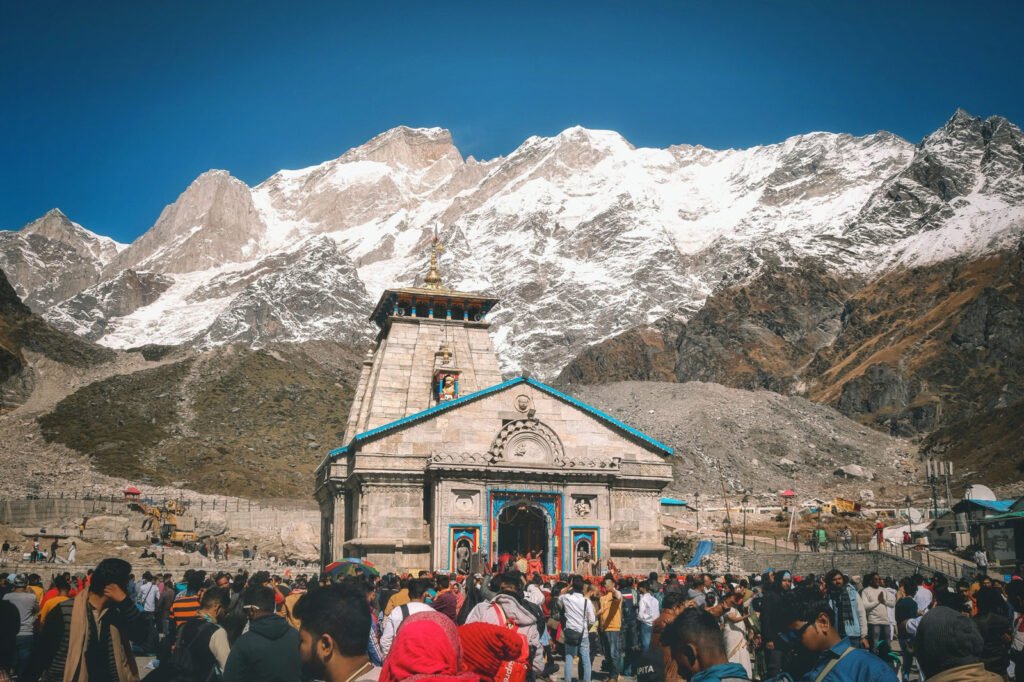
Kedarnath Temple surrounded by Himalayan peaks in Uttarakhand

Table of Contents

Char Dham Yatra: A Journey Through the Himalayas

Uttarakhand’s Char Dham Yatra, also known as Chota Char Dham, connects four revered Himalayan shrines: Yamunotri, Gangotri, Kedarnath and Badrinath.

Yamunotri and Gangotri are associated with the sacred rivers Yamuna and Ganga. Kedarnath is dedicated to Lord Shiva, while Badrinath is dedicated to Lord Vishnu. Together, they form a pilgrimage deeply connected to Hindu faith and the natural setting of the Garhwal Himalayas.

This is different from the traditional pan-India Char Dham circuit of Badrinath, Dwarka, Puri and Rameswaram.

The Uttarakhand journey requires careful preparation. Mountain roads, high altitude and walking routes, particularly for Yamunotri and Kedarnath, make it more physically demanding than a typical city-temple visit. The shrines are seasonal, and access can change because of weather and road conditions.

Before travelling, check the official Char Dham registration portal and the latest health guidance. Allow enough time for rest, particularly when travelling with parents or elderly family members.

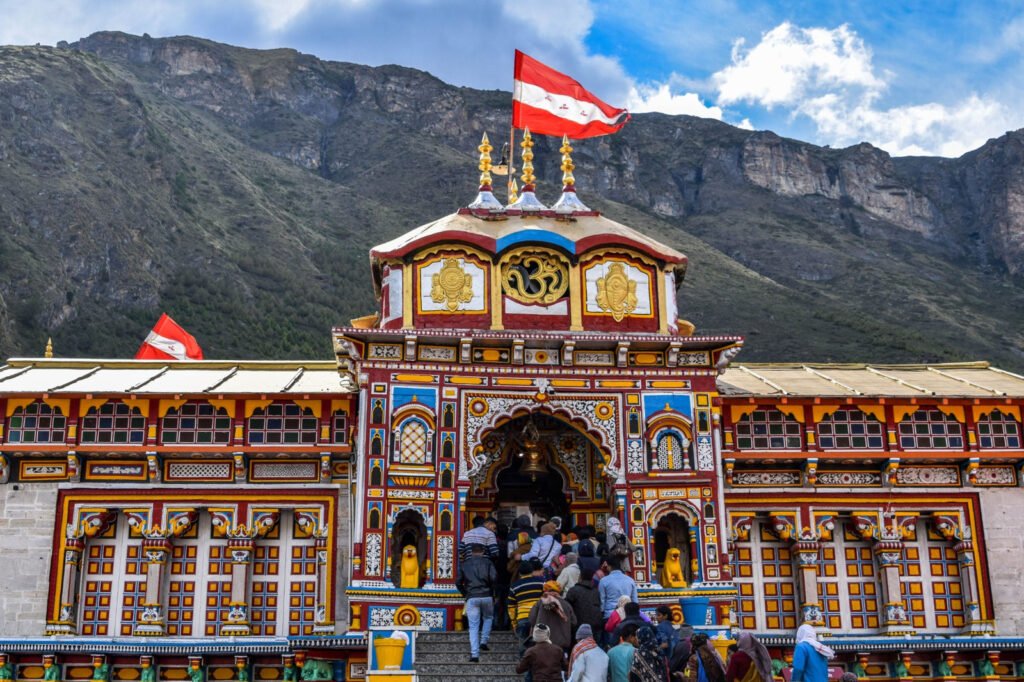
Colourful Badrinath Temple entrance in Uttarakhand with pilgrims and the Himalayan mountains behind it.
Badrinath Temple, one of the four sacred shrines of Uttarakhand's Char Dham Yatra.

Kashi: Faith, Tradition and Life Along the Ganga

Varanasi, also known as Kashi or Banaras, holds a special place in Hindu religious tradition. The city is closely associated with Lord Shiva, and the Shri Kashi Vishwanath Temple is one of its most important places of worship.

Yet a visit to Kashi extends beyond temple darshan. Its narrow lanes, centuries-old religious traditions, riverside ghats and daily rituals form an experience deeply connected to the Ganga.

A thoughtfully paced visit allows time for temple darshan, walking through the old city and experiencing the riverfront without rushing between places. Check the official temple website for current darshan arrangements and services.

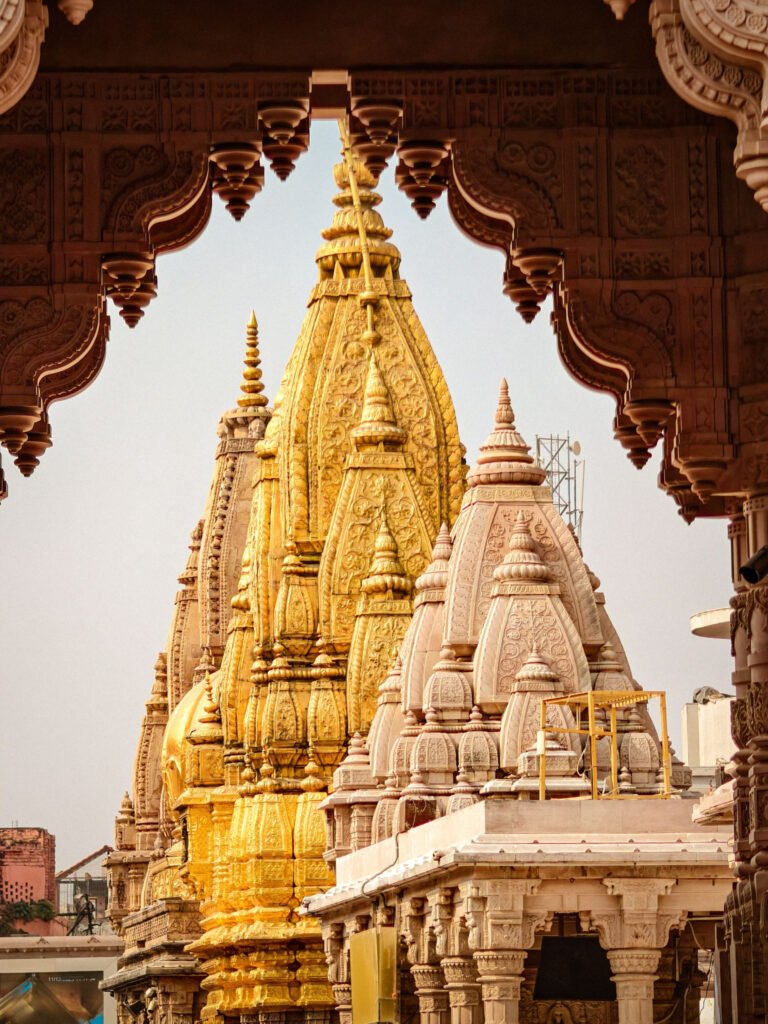
Golden shikhara of Shri Kashi Vishwanath Temple seen through an ornate architectural arch in Varanasi.
Shri Kashi Vishwanath Temple, an important centre of Shiva worship in Varanasi.

Ganga Aarti: An Evening of Devotion in Varanasi

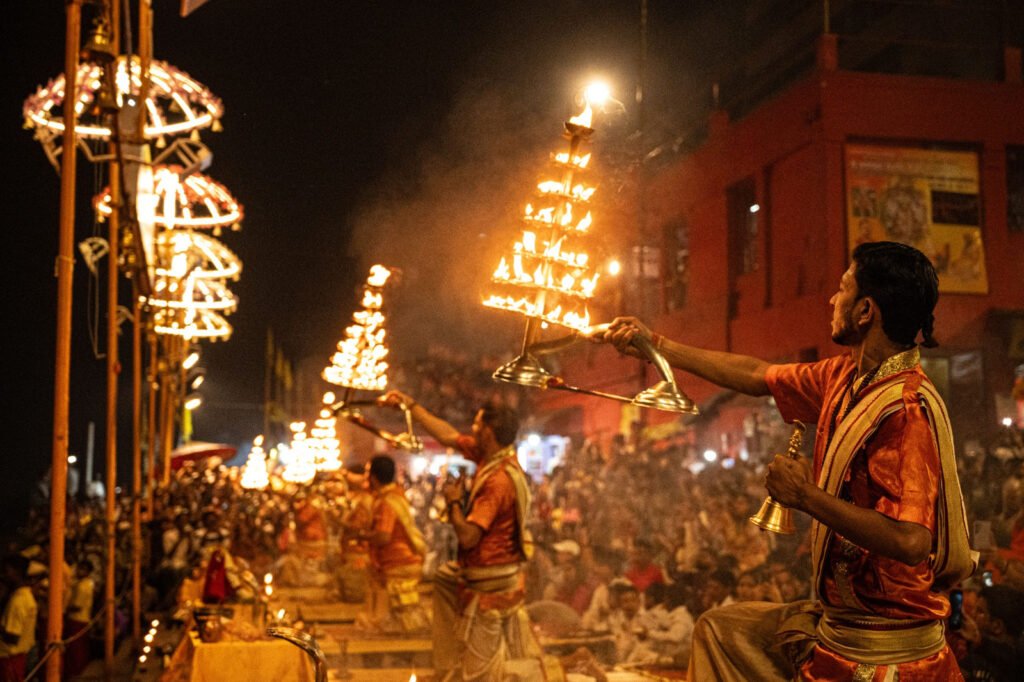
One of Kashi’s most recognised spiritual experiences is the evening Ganga Aarti at Dashashwamedh Ghat. Priests perform the ritual with lamps, prayers and ceremonial movements as devotees gather along the riverbank.

The temple’s own aarti ceremonies and the riverside Ganga Aarti are separate experiences, so plan them accordingly. The ghats can become crowded, especially during major festivals, and it is worth allowing additional time to reach your preferred viewing area.

Priests performing evening Ganga Aarti with flaming brass lamps beside the Ganges in Varanasi.
The forested hills around Gushaini in Tirthan Valley.

Ayodhya: A Journey into the Traditions of Lord Rama

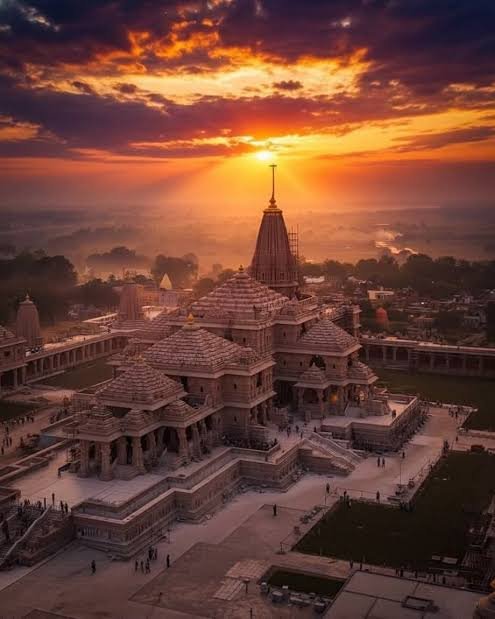
Ayodhya is revered in Hindu tradition as the birthplace of Lord Rama and is deeply connected with the stories of the Ramayana.

For pilgrims, the Shri Ram Janmabhoomi Mandir is a central destination. Hanuman Garhi, Kanak Bhawan and the ghats along the Saryu River are also important places to experience the city’s religious heritage.

Temple security, queues and festival crowds can affect how much sightseeing is practical in a day. Rather than rushing through multiple temples, allow time to experience Ayodhya at a comfortable pace.

Ayodhya also has an interesting cultural connection with Himachal Pradesh. According to Kullu’s local tradition, the worship of Lord Raghunath became closely associated with the valley after an idol was brought from Ayodhya. You can read more in our guide to Raghunath Temple in Kullu.

Ayodhya: Ram Mandir

Vrindavan: Temples, Bhakti and the Traditions of Krishna

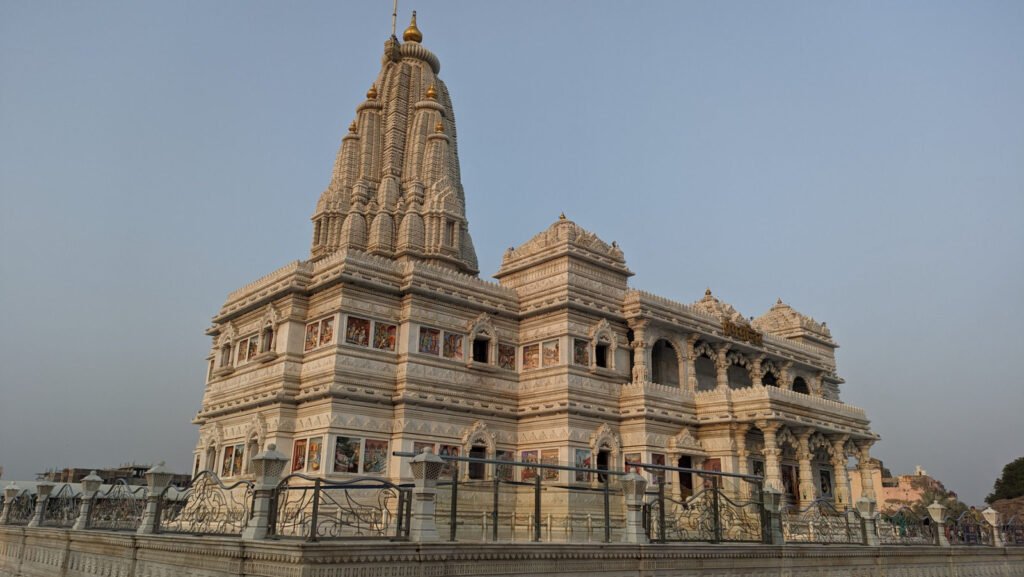
Vrindavan, in Uttar Pradesh’s Braj region, is closely associated with the life and traditions of Lord Krishna. Devotional music, temple rituals and the worship of Radha and Krishna are central to its spiritual identity.

Among its well-known places of worship are Shri Banke Bihari Temple, Prem Mandir and the ISKCON Krishna Balaram Temple. Nearby Mathura, associated with Krishna’s birth, can also form part of a broader Braj pilgrimage.

Vrindavan rewards slower exploration. Its temple schedules, narrow streets and busy festive periods are worth considering when arranging a visit, particularly for families who want time for peaceful darshan rather than a rushed sightseeing checklist.

White marble architecture of Prem Mandir in Vrindavan, Uttar Pradesh.
Prem Mandir in Vrindavan, dedicated to Radha Krishna and Sita Ram.

Which Pilgrimage Is Right for Your Journey?

Each destination offers a different experience, and the best choice depends on your interests, available time and travelling companions.

  • Char Dham: Best for pilgrims seeking a Himalayan yatra who are prepared for mountain travel, seasonal access and physical demands.
  • Kashi: Ideal for those drawn to Shiva worship, the Ganga and the living traditions of Varanasi.
  • Ayodhya: A meaningful choice for devotees of Lord Rama and visitors interested in Ramayana-related sacred places.
  • Vrindavan: Particularly appealing to devotees of Krishna and Radha who wish to explore the temples and devotional culture of Braj.

Ayodhya and Varanasi can be combined in a wider Uttar Pradesh itinerary when sufficient time is available. Uttarakhand’s Char Dham, however, should normally be planned as a separate Himalayan journey.

Planning a Comfortable and Meaningful Yatra

A good pilgrimage itinerary is not necessarily the one covering the most temples. It is the one that gives travellers enough time for darshan, rest and the experience they have come to seek.

Before finalising your journey, consider the ages and mobility of your companions, the time needed between destinations, temple schedules and any seasonal restrictions. Carry identification, regular medicines and appropriate clothing, and check whether any advance registration or official booking is required.

For a Himalayan yatra, additional attention to weather, altitude and physical fitness is essential. City pilgrimages involve different challenges, including walking through busy streets, steps and long queues.

Planning with these practical details in mind can help make a spiritual journey more comfortable, especially for families travelling together.

Frequently Asked Questions

Are Char Dham and Chota Char Dham the same?

No. The traditional Char Dham includes Badrinath, Dwarka, Puri and Rameswaram. Chota Char Dham is the Uttarakhand circuit of Yamunotri, Gangotri, Kedarnath and Badrinath.

Can Ayodhya and Varanasi be visited on the same trip?

Yes. Both are in Uttar Pradesh and can be included in a multi-city itinerary. Allow sufficient time for travel, temple visits and possible queues.

Is Char Dham Yatra suitable for senior citizens?

It depends on individual health, mobility and the planned route. Because of altitude, walking and changing mountain conditions, obtain appropriate medical advice and review current official travel guidance before booking.

Make Your Spiritual Journey Your Own

Whether you are drawn to the mountain shrines of Uttarakhand, the timeless ghats of Kashi, the traditions of Ayodhya or the devotional atmosphere of Vrindavan, each pilgrimage deserves thoughtful planning.

Unexplored Himachal helps travellers plan customised journeys with attention to their interests, travel preferences and practical requirements.

If you are considering a spiritual journey with your family or group, contact Unexplored Himachal on WhatsApp to discuss your travel plans.

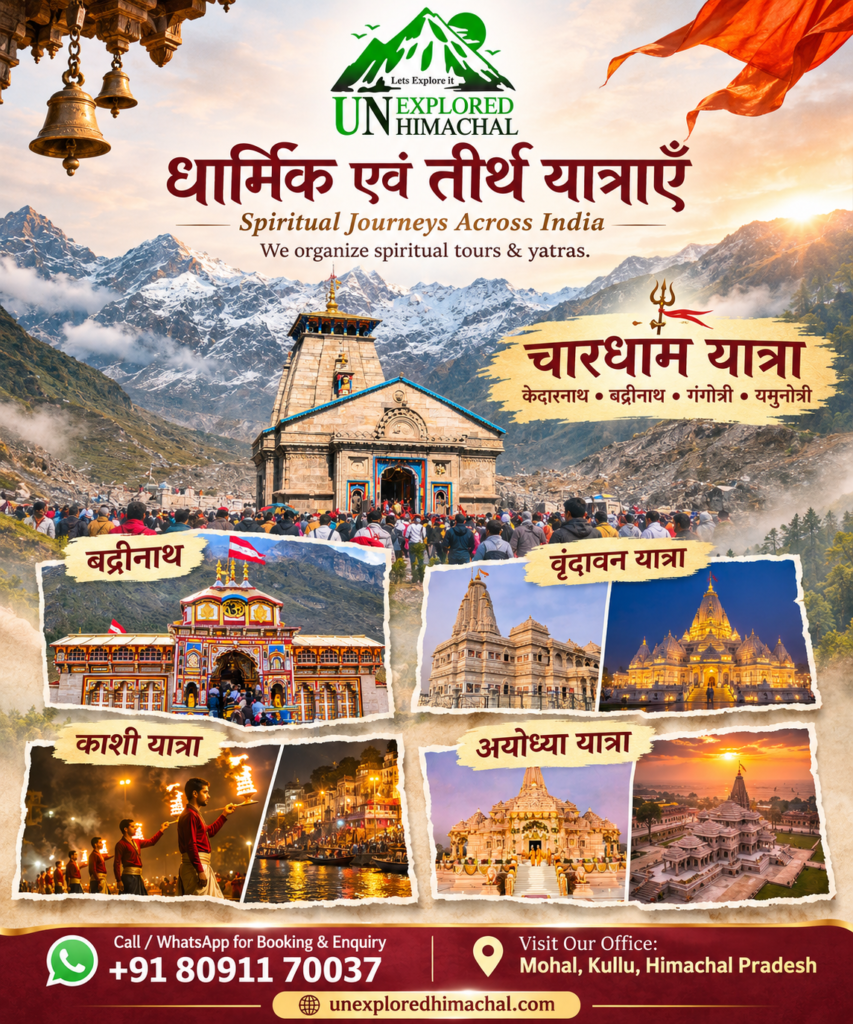
Unexplored Himachal promotional flyer for Char Dham, Kashi, Ayodhya and Vrindavan pilgrimage tours.
Picture of About Author<br><br><b>Unexplored Himachal</b>
About Author

Unexplored Himachal

Unexplored Himachal is a local tour operator based in the heart of Himachal Pradesh. Our passion for travel and deep-rooted love for our homeland drive us to introduce travelers to the hidden valleys, quaint villages, and untouched landscapes that often go unnoticed.

Best Destination Packages

Recent Adventure Tour

Best Motor Bike Tour

Scroll to Top

Request for tour plan

See our Privacy Policy for how we use and protect your information.