Kalpa, Sangla & Chitkul Itinerary: A 4–6 Day Kinnaur Journey for Different Travellers

Table of Contents

A trip to Kalpa, Sangla and Chitkul is best planned around five days from Shimla, with two nights in Sangla and two in Kalpa. Four days can cover the main places at a faster pace; six days are more sensible when starting and finishing in Chandigarh because they allow the long approach and return journeys to be divided. From Delhi, allow additional travel time rather than treating these as comfortable Delhi-to-Delhi itineraries.

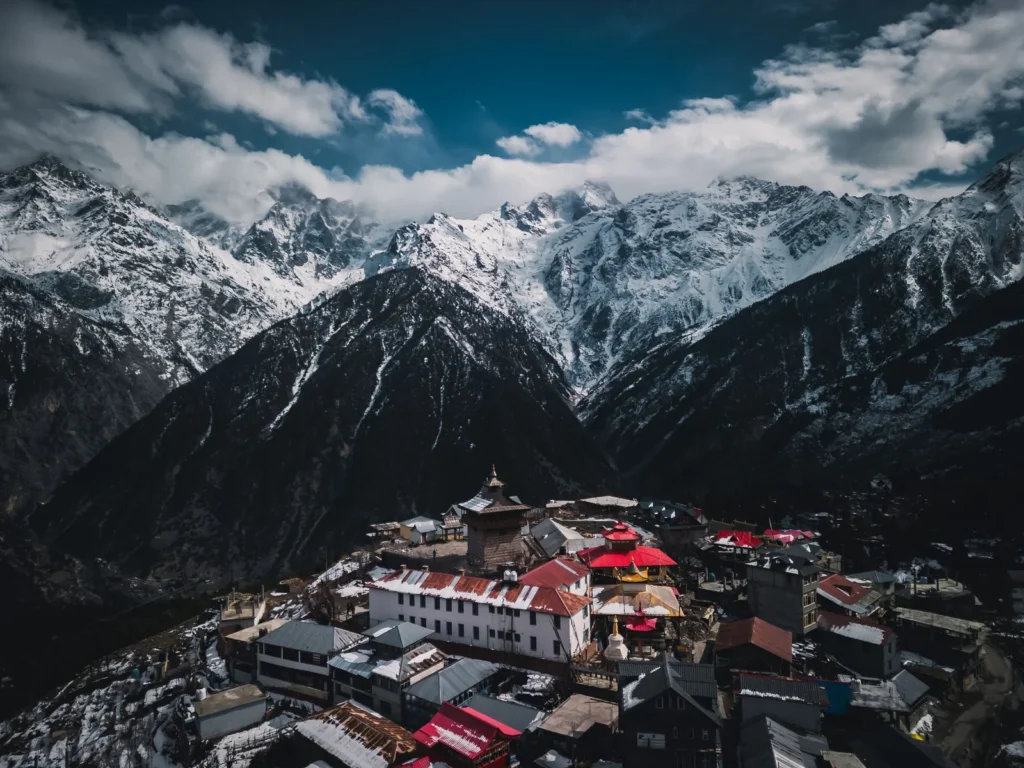
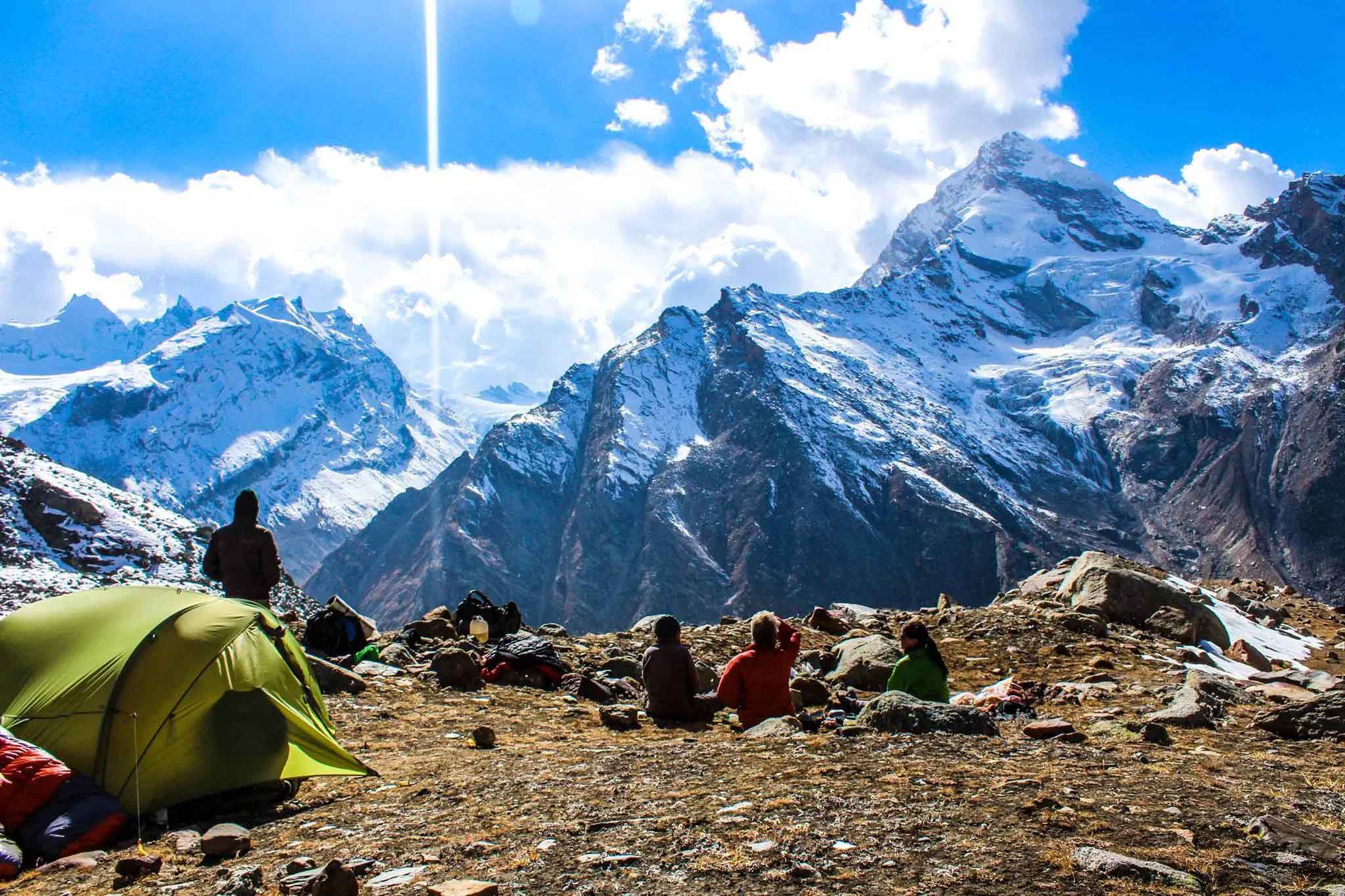
The three places offer different experiences. Sangla is a base for the Baspa Valley, Chitkul is a high mountain village at the upper end of that valley, and Kalpa is a quieter hillside stay with views towards the Kinner Kailash range.

The point isn’t to squeeze all three names onto a checklist. It’s to work out how you would like to spend your time between them.

How Many Days Do You Need for Kalpa, Sangla and Chitkul?

Time availableStarting pointRecommended approachWhat to expect
4 days / 3 nightsShimla2 nights Sangla + 1 night KalpaCovers the highlights, with long first and last drives
5 days / 4 nightsShimla2 nights Sangla + 2 nights KalpaBest balance of village time and sightseeing
6 days / 5 nightsChandigarh1 transit night + 2 Sangla + 1 Kalpa + 1 return transit nightEasier approach and return days, but less time in Kalpa than the five-day Shimla plan

These are suggested travel plans, not fixed departure packages. Actual pacing depends on weather, road conditions, pickup time and your group.

Chapter 1: What Kind of Kinnaur Traveller Are You?

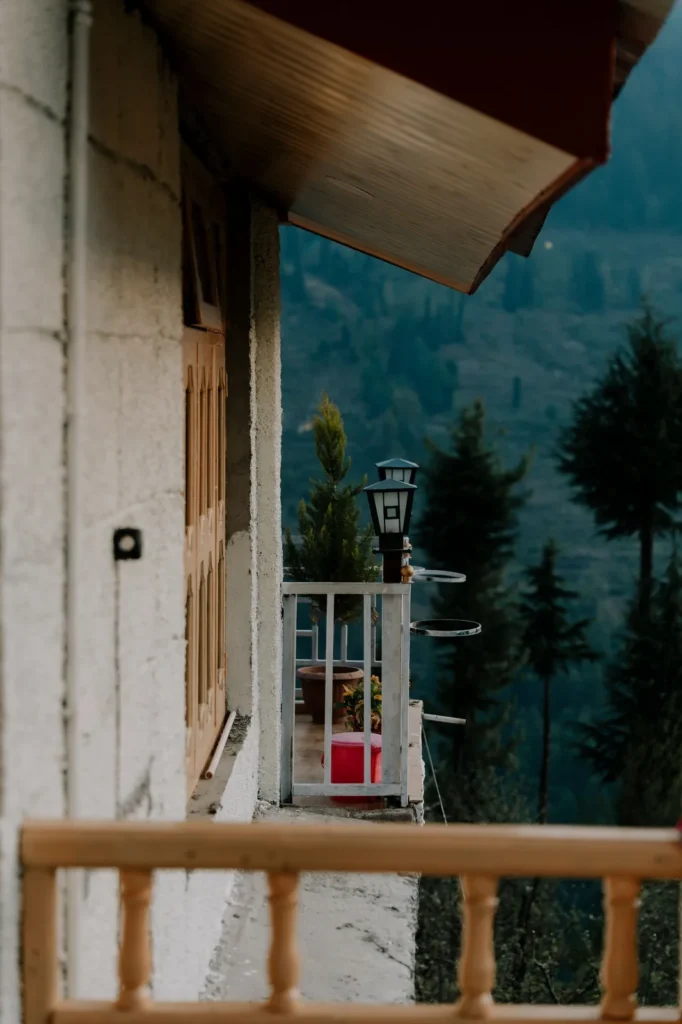
Two people can visit the same valley and come home with very different memories. One may remember a quiet morning on a balcony. Another may remember walking through a village, looking at carved timber houses or stopping repeatedly for photographs. Your itinerary should make room for the experience you value most.

The Slow Traveller: Fewer Stops, Longer Mornings

Couples and travellers looking for breathing space will generally enjoy at least five or six days after reaching Shimla. Stay more than one night in each base. Leave time for an unplanned cup of tea, a village walk and a morning when the mountains are visible.

Staying in a different hotel every evening can turn a restful holiday into a packing exercise. For this kind of journey, the best experience may be the time you deliberately leave unplanned.

The Comfort-First Family: Choose the Road Days Carefully

For families with young children or older travellers, the number of hours spent in a vehicle matters as much as the hotel.

Choose a sensible pickup point, break up the Chandigarh approach if necessary, and avoid treating the Chitkul excursion as compulsory if anyone is tired or uncomfortable with the altitude.

A private trip may make meal and rest stops easier to adjust, though it does not remove the risks of mountain travel. For families, comfort often comes from a well-paced itinerary rather than trying to visit every attraction.

The Curious Explorer: Make Space for Villages

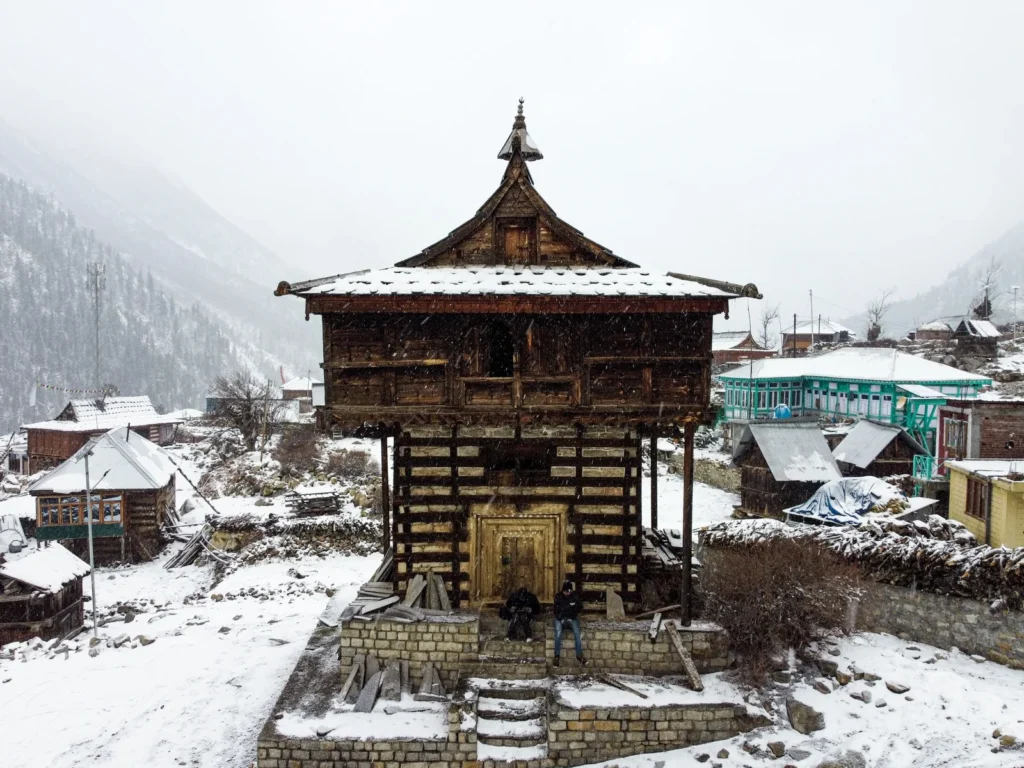
Photographers, friends and travellers interested in Kinnauri architecture can use Sangla as a base for nearby villages, a Chitkul excursion and the Kamru area, subject to local access and customs.

Around Kalpa, leave room for heritage buildings and village walks rather than only a viewpoint stop. Ask permission before photographing residents or entering religious spaces.

This travel style is about discovering the details that are easy to miss when every hour is scheduled.

The Short-Break Traveller: Be Selective

Four days from Shimla can work, but it is a fast-moving trip, not a leisurely circuit.

Your best trade-off is to focus on Sangla, take one dedicated Chitkul day trip, spend a night in Kalpa and return to Shimla.

Travelling all the way from Delhi and back within four days is not a balanced version of this holiday. If time is limited, it is better to set realistic expectations than to promise an exhausting itinerary as a relaxing escape.

Chapter 2: The Journey Begins Before Sangla

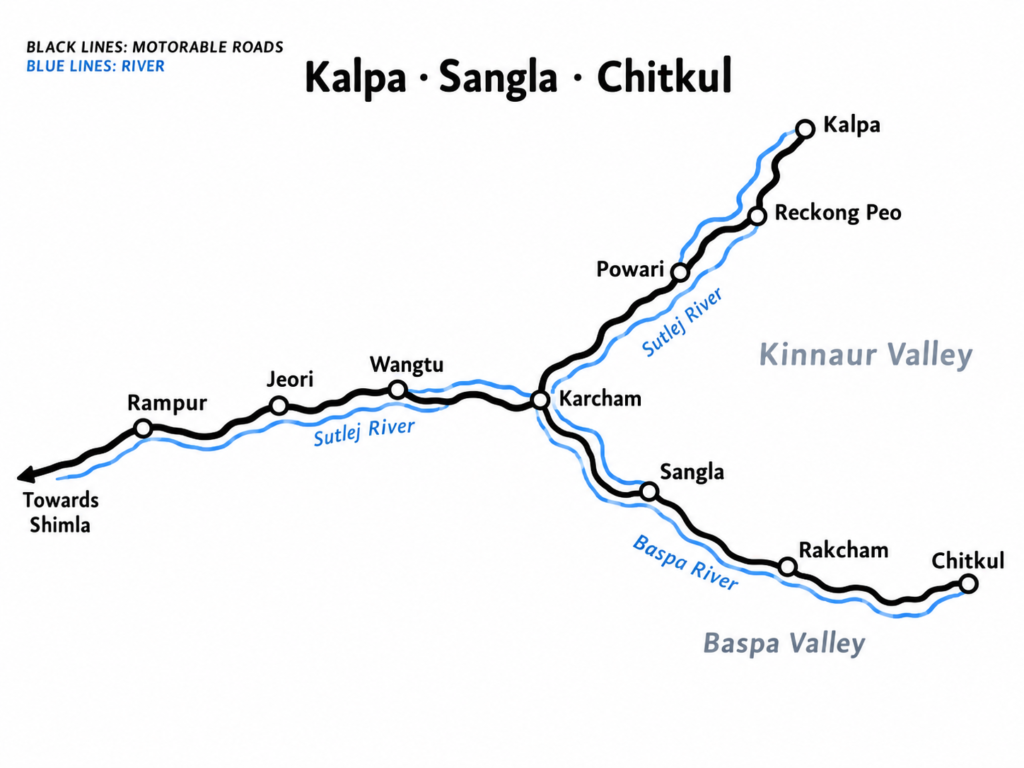
Kinnaur is reached through a corridor of mountain towns and river valleys. For the approach used in this guide, the road journey runs Shimla → Narkanda → Rampur → Karcham.

At Karcham, the road into the Baspa Valley branches towards Sangla, Rakcham and Chitkul. To reach Kalpa after visiting Sangla, you return towards Karcham, follow the main Sutlej corridor towards Powari and climb via Reckong Peo.

This branching layout explains something that many first-time visitors miss: Chitkul is not simply the next stop on the road to Kalpa. It lies farther into the Baspa Valley. If you’re travelling from Sangla to Kalpa, you normally come back out towards the main corridor rather than continuing straight through Chitkul.

As the route moves from the more familiar hill landscapes around Shimla towards the river valleys and mountain settlements of Kinnaur, the journey becomes part of the experience. But it also demands patience.

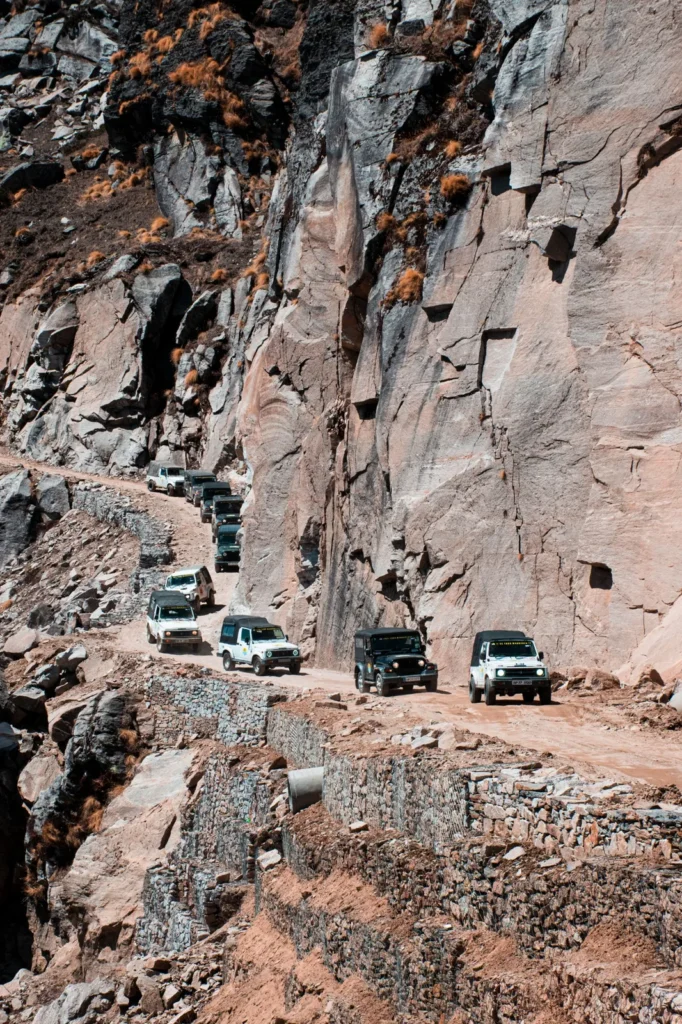
Mountain roads can be affected by maintenance work, rockfall, rain and snow. The Kinnaur district administration issued multiple traffic notices affecting NH-05 during 2026. Check the district’s latest notifications shortly before setting off.

Local Planning Note: Keep the approach and return days primarily as driving days. A planned lunch stop and one or two short viewpoints are more realistic than a long list of attractions attached to them. Always allow flexibility for delays.

The journey is much more enjoyable when the itinerary respects the road rather than trying to compete with it.

Chapter 3: Five Days Through Sangla, Chitkul and Kalpa

This is our preferred five-day Shimla-to-Shimla sample itinerary for travellers who want to explore all three places without moving hotels every night.

It assumes suitable road conditions and an early start on the longer travel days. The idea is to enjoy the destinations rather than rush from one landmark to another.

Day 1 — Shimla to Sangla: Enter the Baspa Valley

Start early from Shimla, passing through Narkanda and Rampur before joining the Kinnaur road. Beyond Karcham, the landscape opens into the Baspa Valley, where Sangla becomes your first base.

Sangla village lies at approximately 2,621 metres, according to the Kinnaur district administration.

Don’t promise yourself a full afternoon of sightseeing after a long drive. Check into your accommodation, have dinner and take a gentle stroll nearby only if time, daylight and energy permit.

If travelling with children or older family members, arriving comfortably matters more than squeezing in another stop.

The first evening is an opportunity to settle into the mountains and leave the journey behind.

Overnight: Sangla (night 1 of 2).

Day 2 — Rakcham and Chitkul: Let the Valley Be the Destination

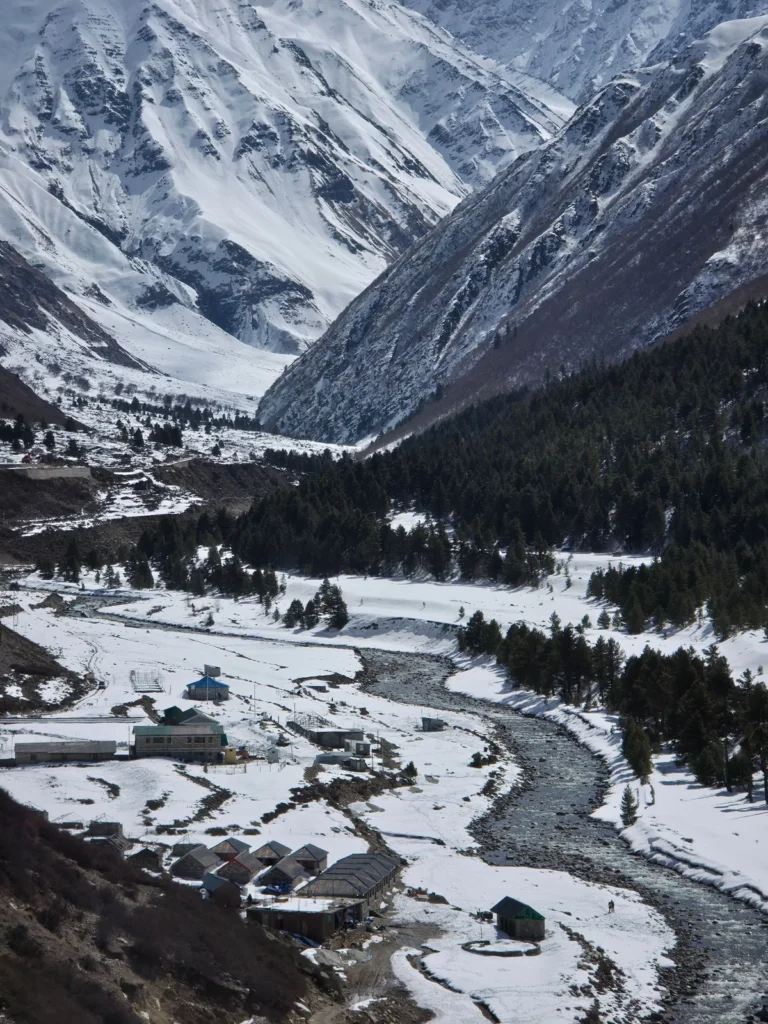
Keep this day for the upper Baspa Valley. Travel from Sangla towards Rakcham and continue to Chitkul, which the district administration describes as the highest and last village in the Baspa Valley, at approximately 3,450 metres.

It is often marketed as the “last village of India”, but that broad description is less precise than the district’s wording.

The landscapes are a major attraction, but Chitkul is also a lived-in village. Its traditional buildings and the temples of the local goddess Mathi deserve respect, not just a quick photograph.

Stay on permitted public paths and observe any local photography restrictions. A slow lunch or time beside the valley is usually a better choice than racing back to tick off another viewpoint.

Because Chitkul is considerably higher than Sangla, take the altitude seriously. If anyone feels unwell, don’t push a long walk or assume they must complete the visit.

Access to Chitkul can also change with snowfall and road conditions; Sangla is the sensible fallback if the upper road isn’t suitable.

Return to Sangla for your second night. Keeping the same room means you can enjoy the day without moving luggage or checking in again.

Overnight: Sangla (night 2 of 2).

Day 3 — Sangla to Kalpa: Trade the River Valley for Mountain Views

After breakfast, leave Sangla and retrace the valley road to Karcham. Continue along the Sutlej corridor towards Powari and Reckong Peo before climbing to Kalpa.

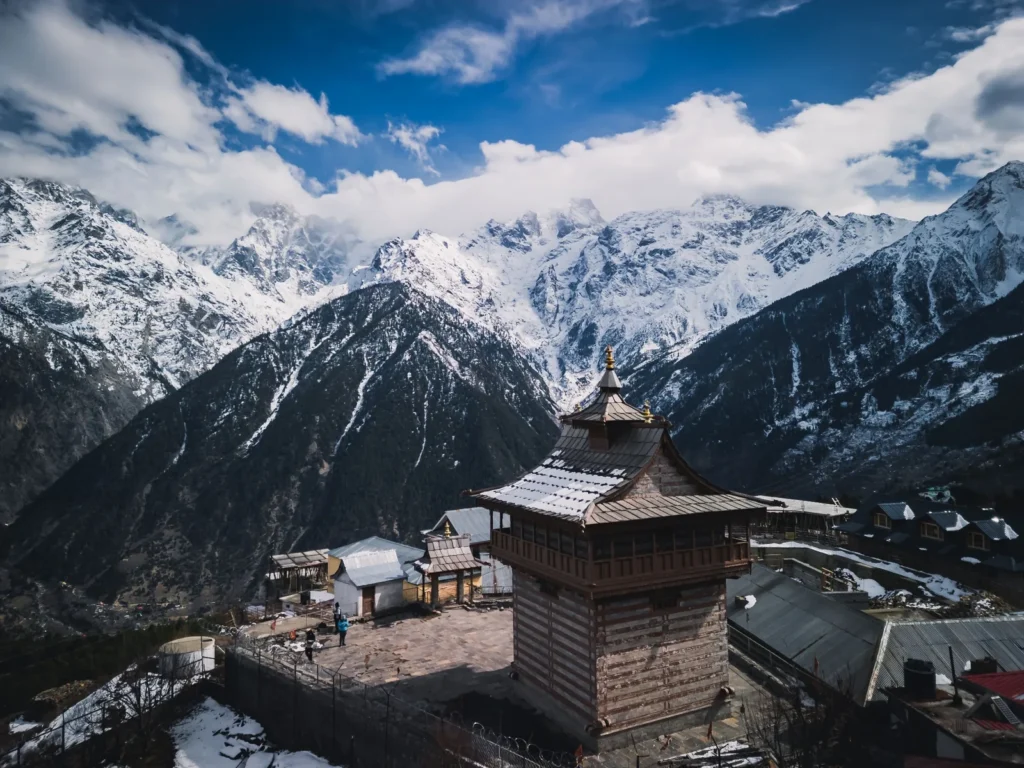
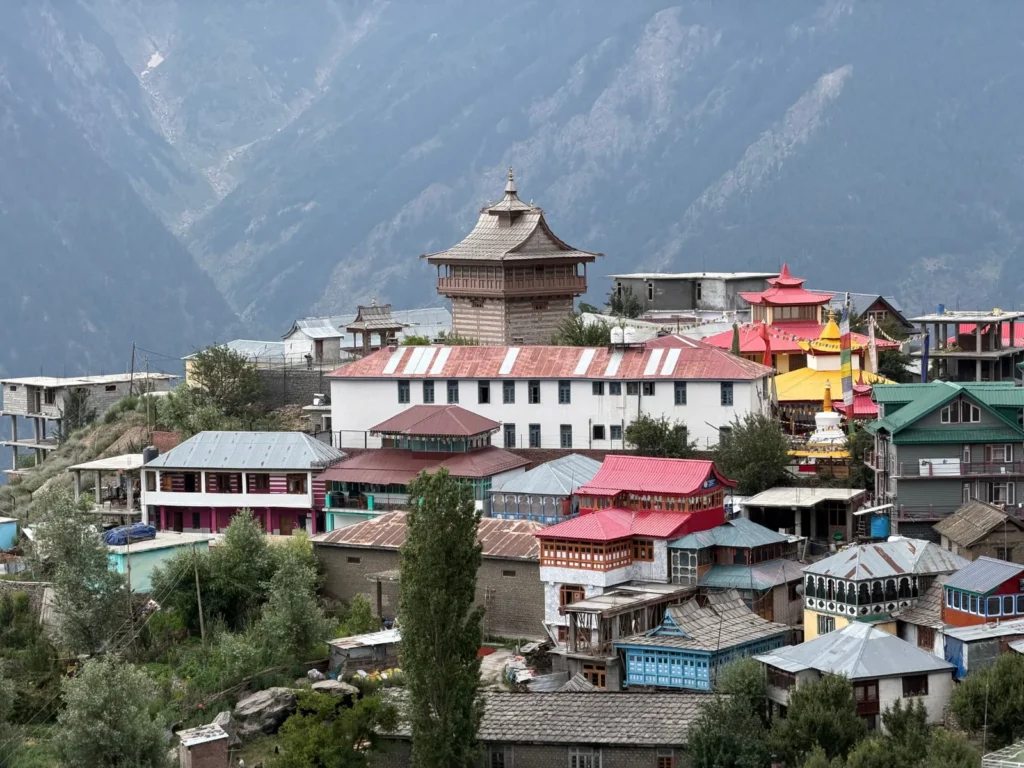
The district administration puts Kalpa at approximately 2,759 metres and identifies it as a heritage village with views of the Kinner Kailash range.

The character of the day changes here. Instead of planning a long sightseeing list, make the drive itself part of the experience.

Stop only where it is safe, reach Kalpa with daylight to spare and spend the evening settling into your new base.

On a clear day, the surrounding ridges can provide the kind of view that rewards simply staying in one place.

Overnight: Kalpa (night 1 of 2).

Day 4 — Kalpa: A Full Day Without Another Hotel Change

This is the day that makes the five-day version noticeably more enjoyable than a four-day rush.

Spend time exploring Kalpa’s streets and cultural landmarks at a comfortable pace.

The Kinnaur district’s Kalpa guide describes the Narayan–Nagani temple and local Buddhist monasteries, including Hu-Bu-Ian-Car Gompa. Visits should follow local opening conditions and customs.

A visit towards Roghi or another nearby village may be possible depending on road access and what your party wants to do.

You don’t need to include every named viewpoint. A local walk, a café stop or simply time to appreciate the mountains can be the better use of the day.

For travellers who enjoy photography, village culture or simply a peaceful mountain stay, keeping this extra day in Kalpa can make a meaningful difference.

Overnight: Kalpa (night 2 of 2).

Day 5 — Kalpa to Shimla: Keep the Final Day Clear

Leave Kalpa for the return through Reckong Peo, the Sutlej valley and Rampur towards Shimla.

It is a substantial mountain drive. Plan it as a transfer, with room for traffic, road regulations and short breaks.

If your train or flight is from Chandigarh or Delhi, do not schedule a tight same-day onward connection on the assumption that the mountain road will run perfectly.

Journey ends: Shimla. Add a separate transfer or overnight stay if your homeward travel begins elsewhere.

Chapter 4: Sangla, Chitkul or Kalpa — Where Would You Feel Most at Home?

The accommodation decision has as much influence on the trip as the attractions.

Some travellers would happily spend an entire morning looking towards the mountains. Others want to be close to village walks, local cafés and sightseeing routes.

Here’s how to choose a base without assuming that the most photographed village automatically makes the best overnight stay.

DestinationBest reason to stayThings to consider
SanglaConvenient base for the Baspa Valley and a Chitkul day tripConfirm parking, heating and the road approach to your property
ChitkulQuiet upper-valley setting when you specifically want to stay thereGreater altitude, more limited choices and seasonal access uncertainty
KalpaHeritage-village atmosphere and mountain views, with a second night for slower exploringCheck the room’s actual view, heating, parking and accessibility

When Sangla Makes More Sense

For first-time visitors, Sangla is a practical choice because it allows you to explore the Baspa Valley while keeping a convenient overnight base.

Spending two nights here also means you can visit Chitkul without having to check out, carry luggage throughout the day and check into another property.

When Chitkul Is Worth an Overnight Stay

An overnight in Chitkul may suit travellers who deliberately want a simpler, more remote village experience.

However, accommodation choices, heating, altitude and seasonal access need greater consideration. It is not automatically the best option for every family or first-time visitor.

Why Spend Two Nights in Kalpa?

Kalpa is well suited to travellers who appreciate mountain views, heritage architecture and time to explore at their own pace.

An additional night reduces the pressure to finish sightseeing immediately after arriving from Sangla.

For a first journey, two nights in Sangla and two in Kalpa provide a satisfying balance.

Don’t choose a room only because its listing says “mountain view”. Ask for recent room photographs, whether hot water and heating are included, and how far the property is from the vehicle’s drop-off point.

In colder months, practical details matter more than decorative amenities.

Chapter 5: Four Days or Six Days — Which Story Fits Your Calendar?

Not every traveller has the same amount of time. A short holiday may require careful compromises, while a longer journey can provide a more comfortable pace.

The important distinction is where your journey begins.

Four Days from Shimla: The Highlights at a Faster Pace

  • Day 1: Shimla → Sangla; overnight Sangla.

  • Day 2: Chitkul day trip through the Baspa Valley; return to Sangla.

  • Day 3: Sangla → Kalpa; explore only as time permits; overnight Kalpa.

  • Day 4: Kalpa → Shimla.

This is suitable for travellers who can start in Shimla early and accept two long driving days.

It leaves little buffer for bad weather or road delays. It is not the option we would prioritise for a family seeking a slow holiday.

Six Days from Chandigarh: Divide the Long Approach and Return

  • Day 1: Chandigarh → Narkanda or a suitable en-route overnight halt.

  • Day 2: Continue to Sangla; overnight Sangla.

  • Day 3: Rakcham and Chitkul; overnight Sangla.

  • Day 4: Sangla → Kalpa; overnight Kalpa.

  • Day 5: Kalpa → Narkanda or a suitable return halt.

  • Day 6: Complete the journey to Chandigarh.

This version splits the approach and return transfers, which can help travellers who don’t want to attempt a very long Chandigarh-to-Sangla drive in one day.

It doesn’t automatically mean more time in Kalpa: the extra nights are used to break up travel.

If your priority is two relaxed nights in both Sangla and Kalpa and gentler Chandigarh transfers, consider a seven-day itinerary instead.

What If You’re Travelling from Delhi?

Add your Delhi–Shimla or Delhi–Chandigarh transfers and allow enough buffer for your chosen transport.

The right total holiday length depends on your actual pickup and drop-off points, not just the nights spent in Kinnaur.

A personalised itinerary is particularly useful when you’re travelling with family, need specific hotel arrangements or want to combine Kinnaur with another part of Himachal Pradesh.

Chapter 6: Every Season Tells a Different Kinnaur Story

Kinnaur changes considerably through the year, and a photograph of a snow-covered village doesn’t describe what every traveller will see.

Himachal Tourism’s Kinnaur guide identifies April to October as a generally favourable period, while noting much colder conditions from November onward.

That is regional guidance, not a promise that each road will be open every day.

Spring and Early Summer

The valleys begin moving into a more active travel season, though higher reaches can remain cold and late snow may affect access.

Carry layers, especially for Chitkul, and confirm the final stretch rather than treating summer as one uniform condition.

Mid-Summer and Monsoon

Green slopes and river scenery can be attractive, but rain elsewhere along the approach can disrupt the highway.

Leave flexibility for landslides, road-control notices and longer journey times. A pre-booked return connection with no buffer is a poor fit for an uncertain weather window.

Autumn

Autumn can appeal to travellers interested in clearer mountain views, village photography and a slower trip.

It is a good season to investigate for the itinerary, but visibility and road conditions still depend on the actual dates.

Avoid promising a particular festival, harvest experience or mountain view without checking.

Winter and Late Autumn

Snow and cold transform the experience, but they also narrow the choices.

The route to Chitkul can become unreliable or inaccessible after snowfall; heating and road access must be confirmed with the property and local authorities.

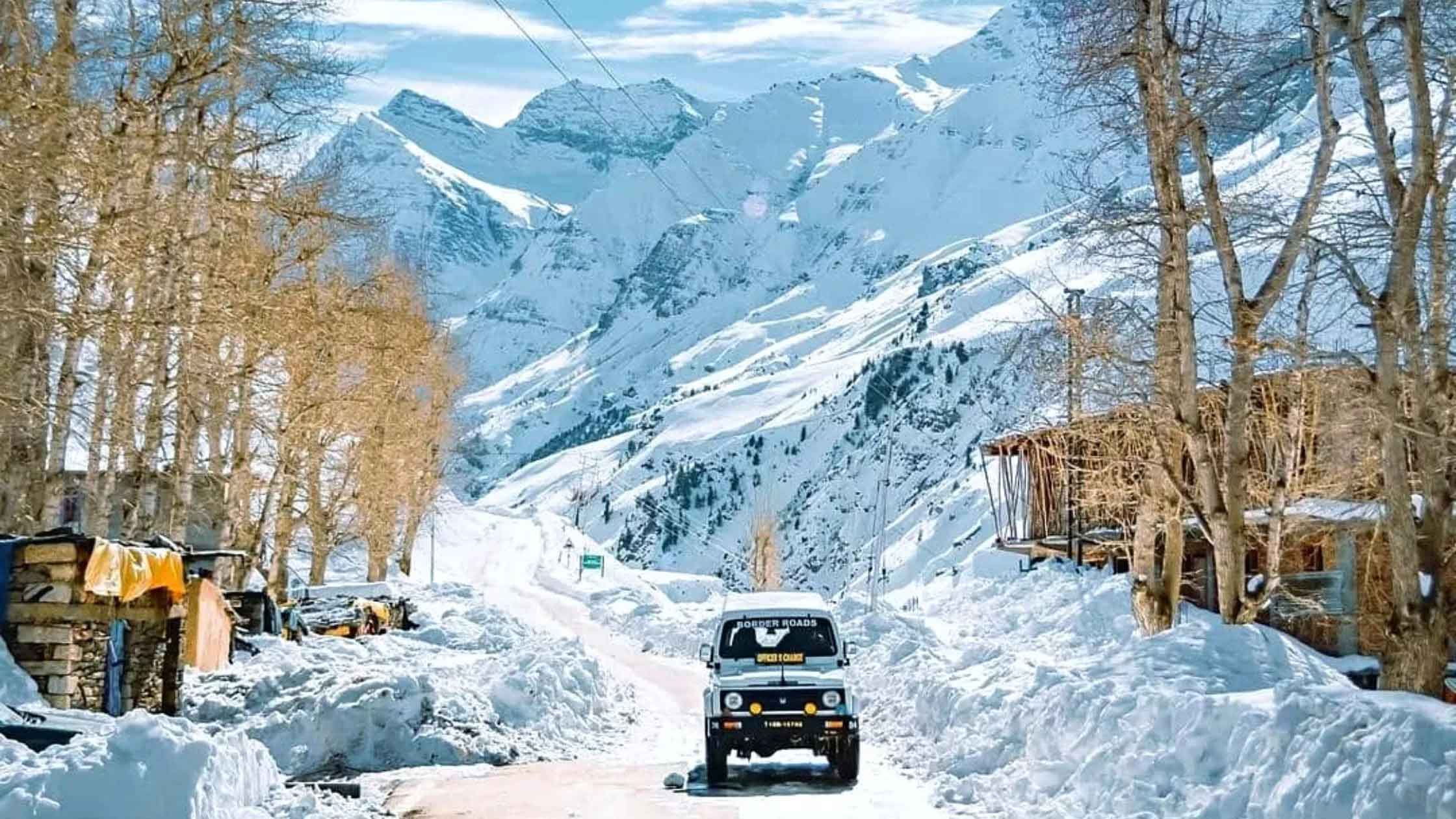
Don’t advertise this sample itinerary as a guaranteed winter circuit simply because winter images are striking.

Before Any Journey: Check Kinnaur district notices, speak with your accommodation and transport provider, and prepare a realistic alternative when an upper-valley visit becomes unsuitable.

Chapter 7: The Practical Details That Make the Journey Easier

A memorable Kinnaur holiday needs more than a list of sightseeing stops. Road conditions, transport, accommodation and local customs can all influence your experience.

A little preparation helps you spend more time enjoying the journey and less time dealing with avoidable difficulties.

Road Travel and Public Transport

The Shimla–Rampur–Kinnaur approach is the practical route for this guide.

Taxis are available, and public buses serve parts of the region, but the availability and timing of services to smaller villages should be reconfirmed directly with HRTC for the travel date.

Travellers using buses may need more days than someone using a private vehicle, particularly if they want both Chitkul and Kalpa without rushed transfers.

An SUV is not automatically a requirement for every normal-season Kinnaur trip, and having a 4×4 does not make a closed road safe or legally accessible.

Vehicle choice should reflect the current route, road conditions, group size, luggage and the comfort of the passengers.

Altitude and Who May Need a Slower Itinerary

The district administration lists Sangla at about 2,621 metres, Kalpa at about 2,759 metres and Chitkul at about 3,450 metres.

Those differences matter, especially when the journey includes a quick ascent into Chitkul.

Take it slowly, pay attention to how everyone feels and seek medical guidance before travel if someone has a relevant health concern.

Severe or worsening symptoms at altitude require prompt medical assessment. Don’t treat a sightseeing schedule as more important than a person’s condition.

Permits and Identification

Indian tourists generally don’t need a special inner-line permit for the ordinary Sangla–Chitkul–Kalpa circuit.

However, permit rules can differ for foreign nationals and routes extending into designated protected areas of Kinnaur and Spiti.

The Kinnaur district tourism guidelines list notified locations and permit conditions. Confirm the exact requirements for your nationality and itinerary before leaving.

Carry valid identification and respect restrictions around sensitive border locations.

What Should You Pack?

Pack a warm layer even when the plains are hot, along with comfortable footwear, sun protection, essential medication and some cash.

The right clothing will depend on the season, altitude and expected activities. For colder journeys, confirm the availability of appropriate room heating rather than assuming it is included everywhere.

Mobile Connectivity and Accommodation Facilities

Check with your hotel about current mobile coverage, electricity, hot water and heating rather than assuming every village has the same services.

If you need reliable connectivity for work, ask about your specific mobile network before choosing an overnight location.

Respecting Kinnaur’s Local Culture

Kinnaur’s landscapes are also home to communities, orchards and places of worship.

Dress respectfully around religious sites, follow local instructions and never fly a drone or photograph sensitive areas without checking the applicable restrictions.

Stay on public paths, avoid entering private fields and carry your litter out of the valley.

Responsible travel is not about doing less; it is about experiencing a destination while respecting the people who live there.

Frequently Asked Questions About Kalpa, Sangla and Chitkul

Is Five Days Enough for Kalpa, Sangla and Chitkul?

Yes, five days from Shimla is a useful balance when road conditions are suitable: two nights in Sangla, a Chitkul excursion, two nights in Kalpa and travel back to Shimla.

From Chandigarh or Delhi, count the extra transfer time separately.

Should I Stay in Sangla or Chitkul?

For most first-time visitors, Sangla is a more flexible base for the Baspa Valley and a day trip to Chitkul.

Overnight Chitkul can be rewarding for travellers intentionally seeking an upper-valley stay, but facilities, altitude and road access deserve extra consideration.

Is Kalpa Better Before or After Chitkul?

Either direction can work.

This itinerary visits Sangla and Chitkul first, then returns to the Sutlej corridor and continues to Kalpa.

The sensible order depends on your departure city, hotel availability and current road conditions.

Can We Visit Kalpa, Sangla and Chitkul from Delhi in Four Days?

It is technically possible to create very rushed schedules, but four days is not a comfortable Delhi-to-Delhi itinerary for all three destinations.

Add transfer days or choose a narrower trip instead.

Is Snow Guaranteed in Kalpa or Chitkul?

No. Snowfall and snow cover depend on weather and elevation, and heavy snow can also disrupt roads.

Book a winter trip for a cold mountain experience, not for a guaranteed snowfall event or guaranteed Chitkul access.

Your Kinnaur Journey, Your Way

The best Kalpa–Sangla–Chitkul itinerary isn’t necessarily the one with the most stops.

For some travellers, it is two comfortable nights in Sangla with time to visit Chitkul. For others, it is an extra morning in Kalpa, watching the mountains change as the light moves across them.

The right plan should suit your starting city, pace, season and the people travelling with you.

Whether you’re planning a quiet holiday as a couple, a family trip or a more exploratory journey, there is room to experience Kinnaur in a way that feels personal.

For a route tailored to your dates, accommodation preferences and comfort level, explore our Sangla–Chitkul–Kalpa tour and ask Unexplored Himachal to plan a personalised Kinnaur journey on WhatsApp.

Package inclusions, road access and prices should be confirmed in the written quotation before booking.

If you’re considering more destinations beyond Kinnaur, browse our offbeat places in Himachal Pradesh or explore lesser-known Himachal villages.

Explore Himachal beyond the usual.

Picture of About Author<br><br><b>Unexplored Himachal</b>
About Author

Unexplored Himachal

Unexplored Himachal is a local tour operator based in the heart of Himachal Pradesh. Our passion for travel and deep-rooted love for our homeland drive us to introduce travelers to the hidden valleys, quaint villages, and untouched landscapes that often go unnoticed.

Best Destination Packages

Recent Adventure Tour

Best Motor Bike Tour

Scroll to Top

Request for tour plan

See our Privacy Policy for how we use and protect your information.